News & Events · Conferences & forums · 20 Nov 202610 reads
Energy Forum 2026: Lê Ngọc Ánh Minh proposes a real-time clean-power exchange, opening the way from green energy to green food
With Vietnam facing a possible shortfall of almost 14,000 MW by 2030, the Chairman of the Vietnam ASEAN Hydrogen Club asked VCCI to lead a real-time, AI-assisted DPPA exchange with a green hydrogen module. The idea made it into the forum’s conclusions. Anchay TV traces the line from clean power to plant-based food.
Ăn Chay TV NewsNewsroom
Was this useful?
Thanks for your vote.
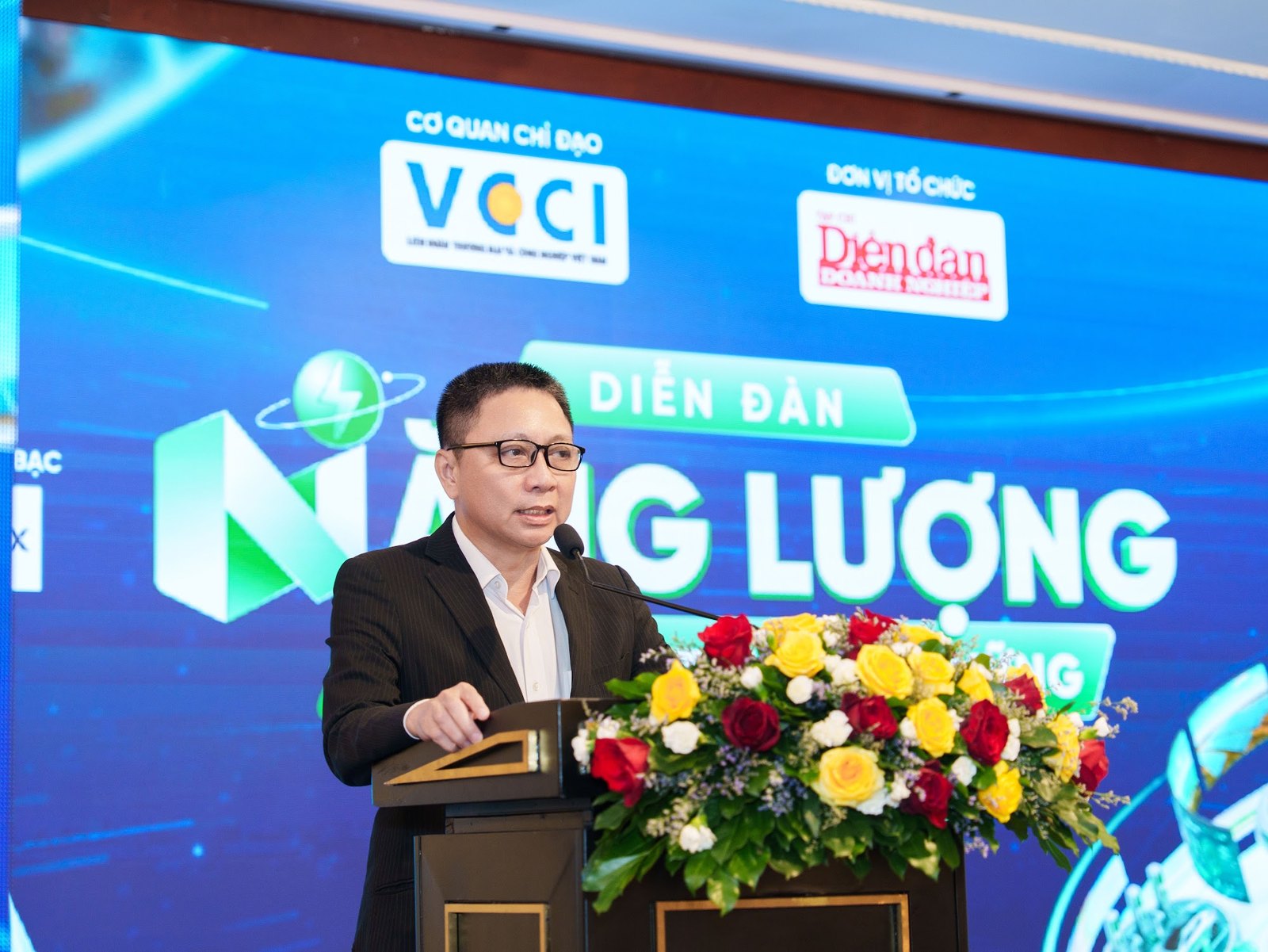
Anchay TV News – Ho Chi Minh City, 19 November 2026. Vietnam could be short of almost 14,000 MW of electricity by 2030. Facing that number at the “Energy for Sustainable Development” forum on the afternoon of 19 November, Mr. Lê Ngọc Ánh Minh, Chairman of the Vietnam ASEAN Hydrogen Club (VAHC) and Executive Chairman of Pacific Group, offered a concrete answer: a direct power purchase agreement (DPPA) exchange that runs in real time, assisted by artificial intelligence, so that clean power finds its buyers faster. By the end of the forum the idea was among the proposals VCCI will send to the Government.
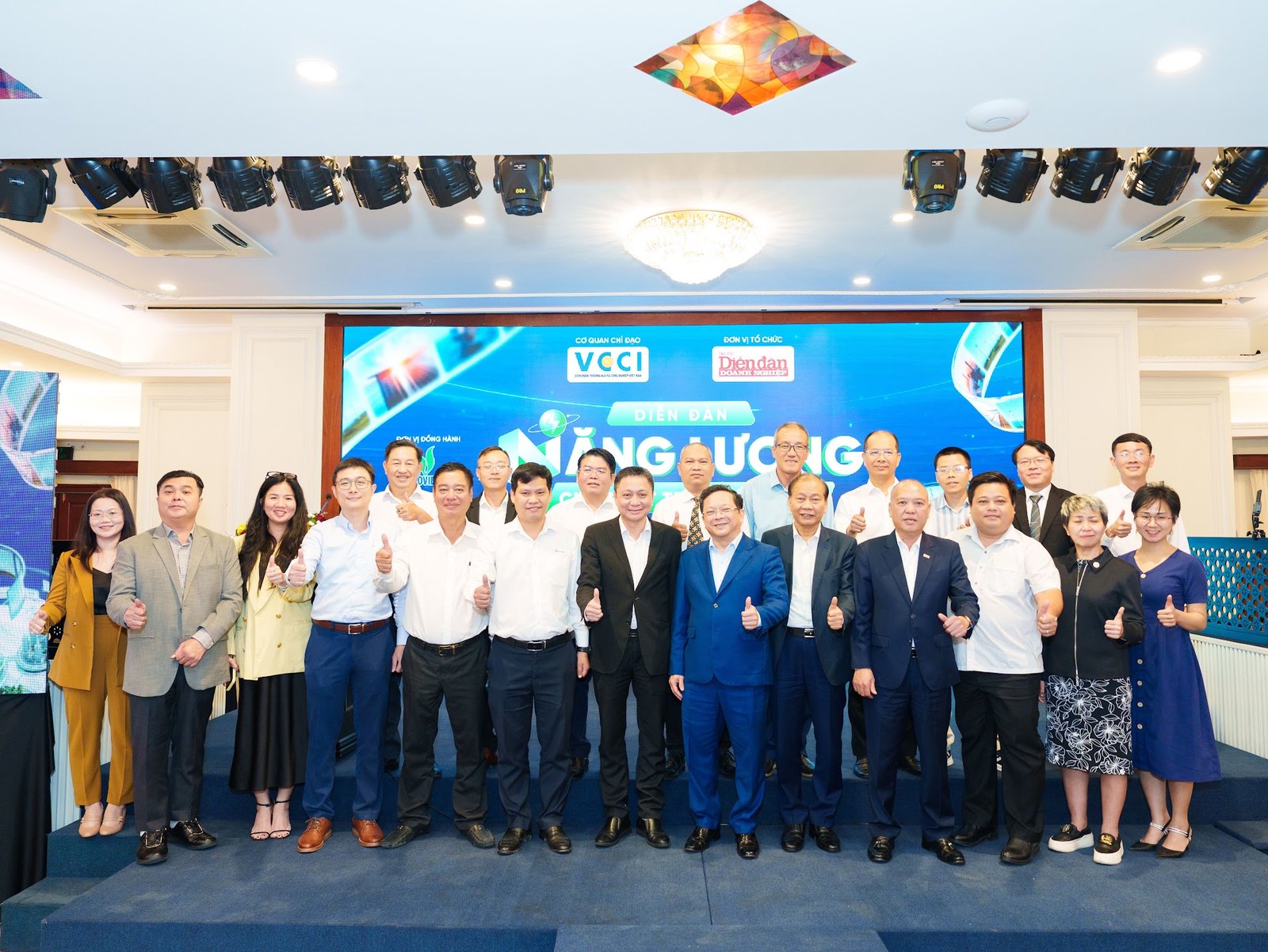
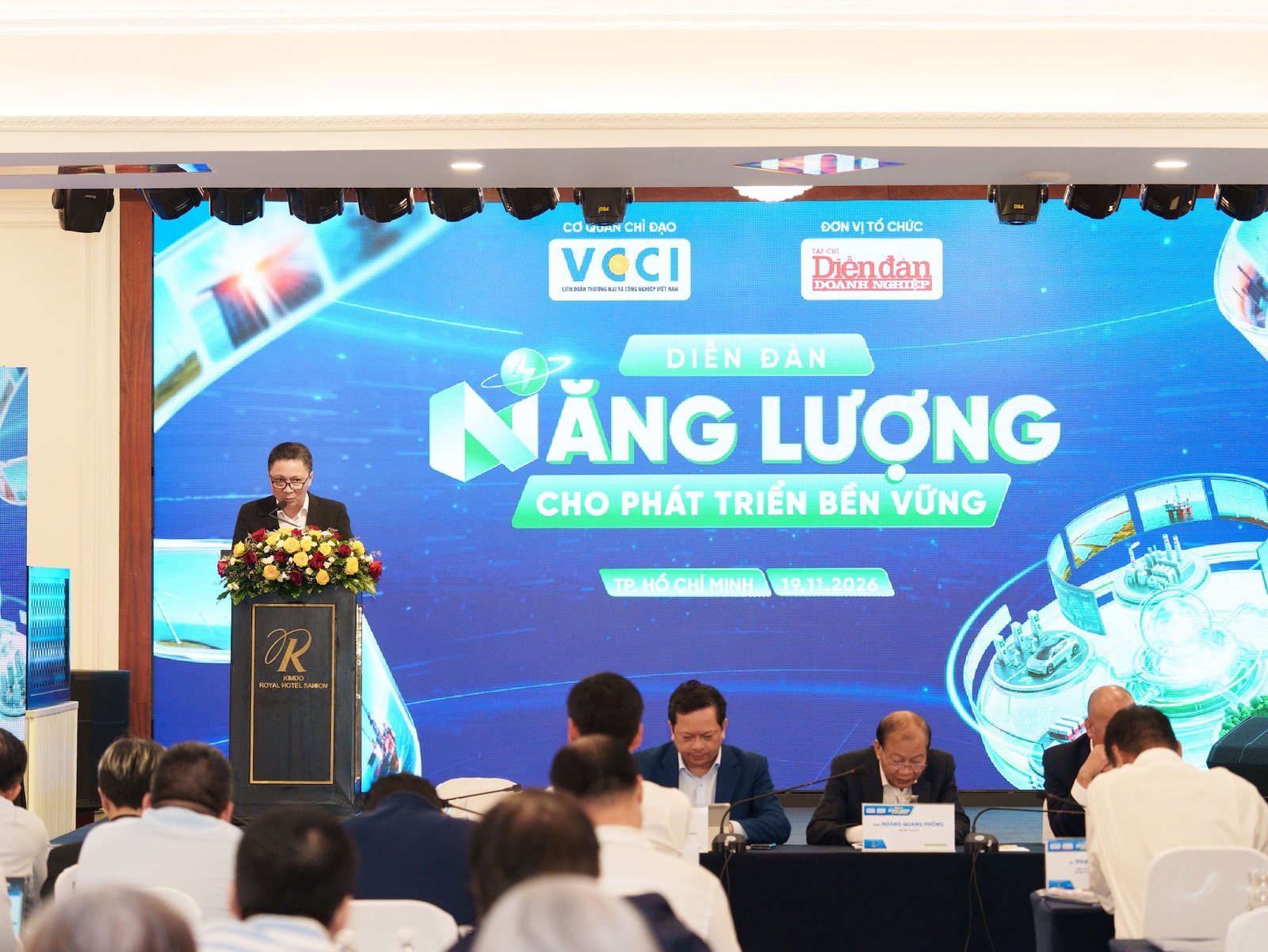
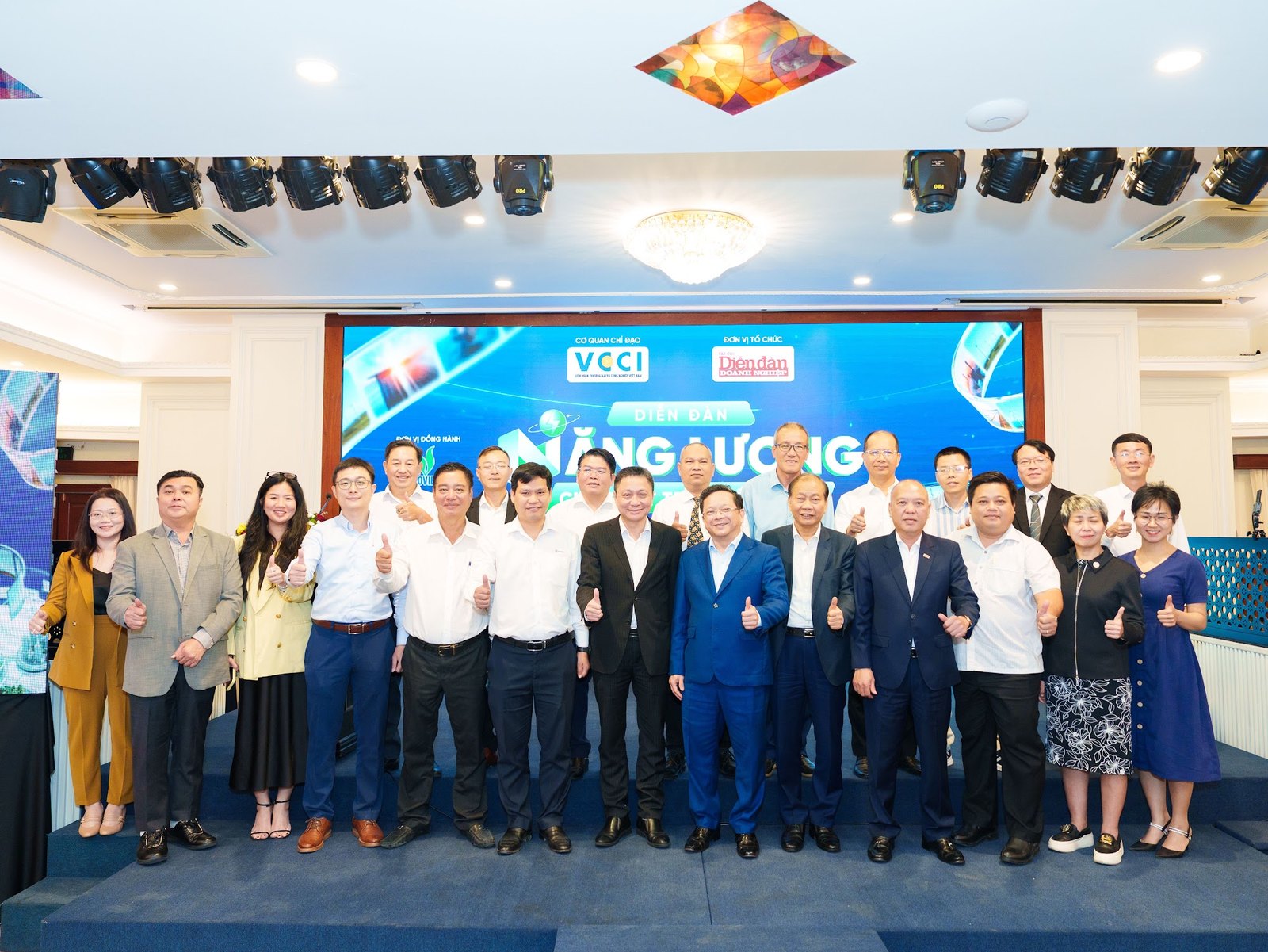
The forum was organised by Diễn đàn Doanh nghiệp (Business Forum) magazine under the direction of the Vietnam Chamber of Commerce and Industry (VCCI) at the Kimdo Royal Hotel Saigon, with twelve speakers. The full picture is in our overview of the forum; this article is about Mr. Minh’s proposal.
Three bottlenecks for green capital
Mr. Lê Ngọc Ánh Minh went straight to the question of why capital is not yet flowing strongly into clean energy. He named three bottlenecks:
- Electricity prices and power purchase contracts. The DPPA decree exists, but the technical guidance is incomplete: the price framework, the method for calculating offset costs when using the national grid, and the administrative procedures are still missing.
- Finance and concessional capital. Businesses need preferential green credit and long-term tax incentives. Vietnam has joined the Just Energy Transition Partnership (JETP), but disbursement remains very low.
- Technical standards. Vietnam does not yet have a consistent set of national standards and regulations for producing and using green hydrogen.
An exchange for clean power
From there he proposed that VCCI lead the study and construction of a real-time DPPA exchange on digital infrastructure. The exchange has four automated modules:
- AI matching. AI matches buyers’ load demand with sellers’ generation. According to Mr. Minh, this can cut the time spent negotiating power purchase contracts by up to 70%.
- A green hydrogen module. Renewable power that would otherwise be curtailed goes into electrolysis to make hydrogen, adding revenue through long-term offtake contracts.
- Green certificates. Managing I-REC renewable energy certificates and carbon certificates from smart-meter data, and producing Scope 2 greenhouse gas inventory reports under the GHG Protocol, for companies exporting to markets that apply the carbon border adjustment mechanism (CBAM).
- Settlement and risk. Payment reconciliation and price-risk management in real time.
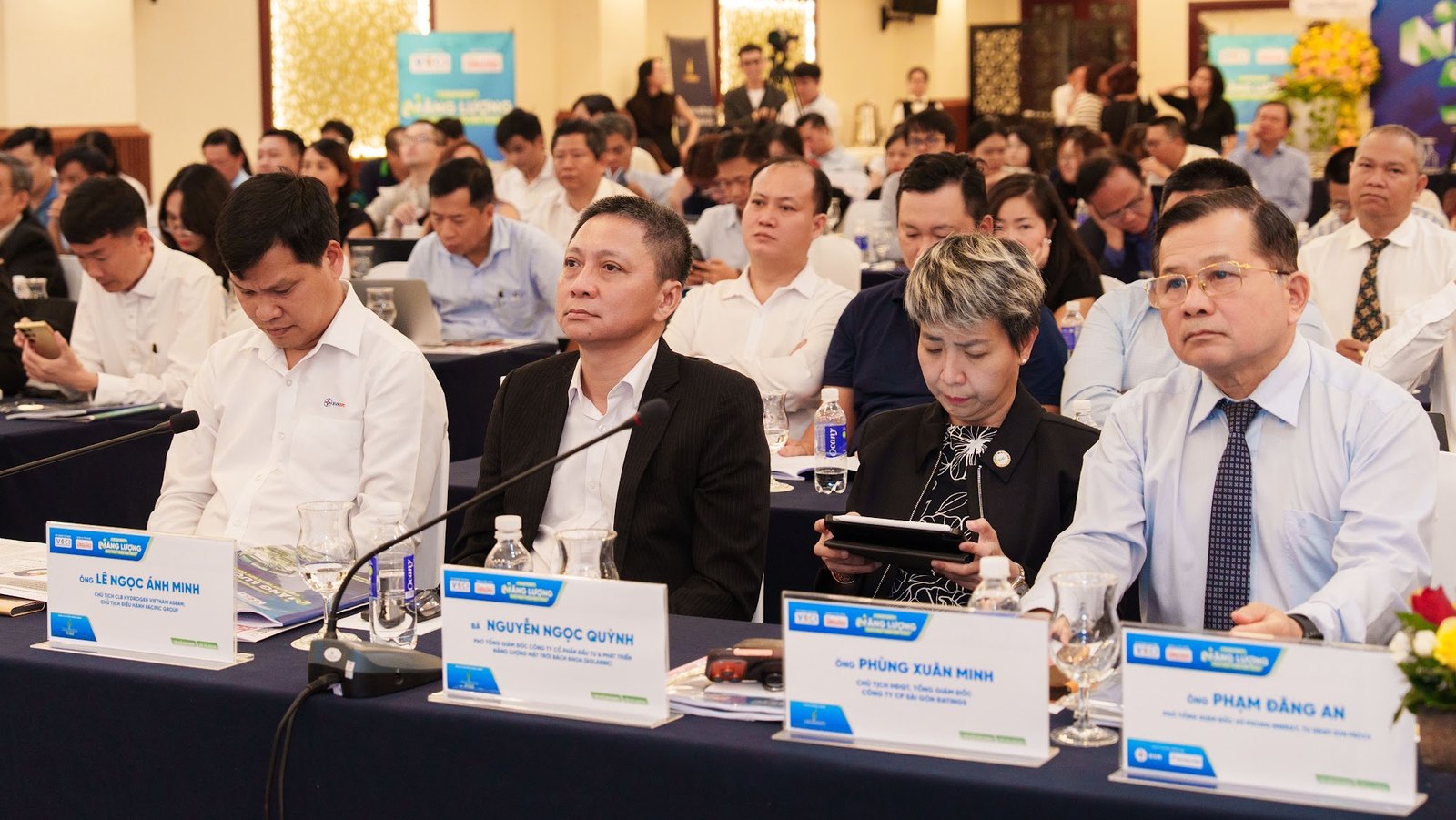
To keep the proposal from remaining an idea, he asked the Government and VCCI to allow a regulatory sandbox. He also asked VCCI to set up a national, interconnected portal for energy forums and conferences, using AI to collect, sort and archive papers and reports automatically and to remove duplicates. He calls that store of data “digital fuel”. The Vietnam ASEAN Hydrogen Club has signed a cooperation agreement with Korea’s Energy Valley institute under the Korea Electric Power Corporation (KEPCO) to be ready to run the pilot, and has committed to working alongside VCCI.
The proposal reaches the forum’s conclusions
In his closing remarks, Mr. Hoàng Quang Phòng, Vice President of VCCI, set out five groups of proposals to be sent to the Government. The fourth says it explicitly: trial a sandbox mechanism for a real-time DPPA exchange that integrates green hydrogen production and carbon certificates. Mr. Minh’s proposal therefore does not stand alone. It met points made by several other speakers that afternoon:
- Mr. Huỳnh Anh Tuyên, Deputy Chief Representative of the Ministry of Industry and Trade’s Office for the Central and Southern regions: bring DPPA into industrial zones in a real way; the Mekong Delta is heading towards biomass, offshore wind and green hydrogen.
- Ms. Nguyễn Ngọc Quỳnh, Deputy General Director of SolarBK: DPPA procedures are still cumbersome; a one-stop mechanism and a long-term DPPA price framework are needed.
- Mr. Phạm Đăng An, Deputy General Director of Vũ Phong Group: a template DPPA contract is needed so that financial institutions can appraise and pool projects more easily.
- Dr. Bùi Trọng Vinh, Director of the Research Institute for Sustainable Energy (RISE): bring AI into grid dispatch, together with cybersecurity.
- Mr. Bùi Quốc Hoan, Deputy General Director of EVNSPC: solar power in the area is already close to half of peak load, which calls for a smarter grid.
From green power to a green meal
Anchay TV’s audience already knows Mr. Lê Ngọc Ánh Minh. At Green Business Matching Day Vietnam on 4 November 2026 he pointed to a paradox: plant-based products are growing very fast, yet growing and processing them still relies mostly on fossil energy. By the figures he presented then, as much as 57% of the energy used in food production goes into making steam alone. He introduced protein made from air, fermented from CO₂ and green hydrogen with no farmland needed, and a loop that starts in the fields, where rice straw and husks feed the production of green hydrogen and then green ammonia for fertiliser.
Put the two talks side by side and they are two halves of one picture. The green hydrogen module on the DPPA exchange turns surplus renewable power into hydrogen; that hydrogen is the feedstock for green fertiliser and protein from air in the “Farm – Factory – Table” model that VAHC has proposed piloting in Vietnam. The direction also matches what the Ministry of Industry and Trade’s representative said at the forum: new energy in the Mekong Delta will be tied to agriculture, including biomass power from farm by-products and green hydrogen. And for food processors, clean-power certificates are the evidence that answers a buyer’s question about what energy a product was made with. That is how Anchay TV reads his proposal, and why a forum about electricity deserves the attention of people who eat plant-based.
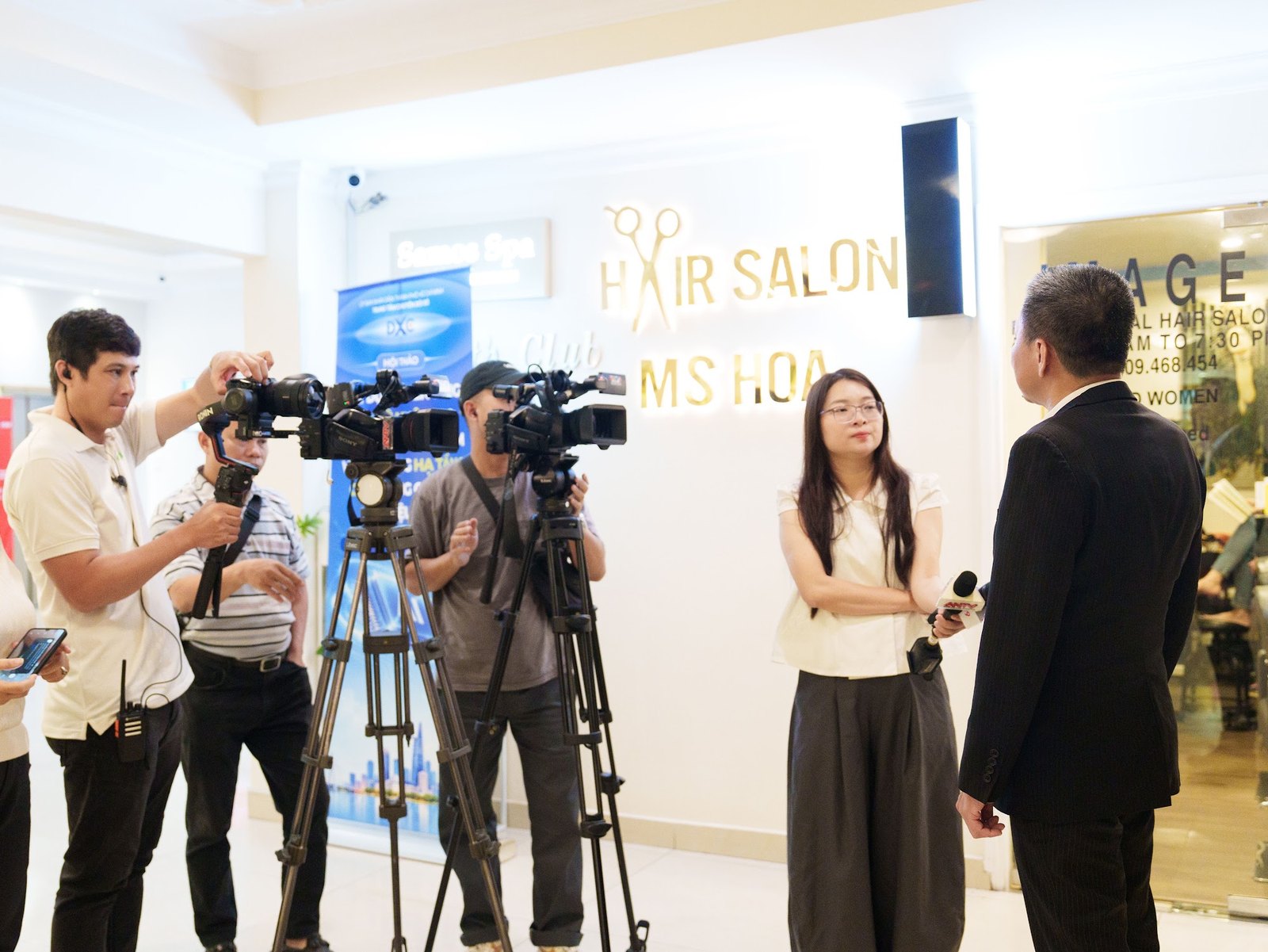
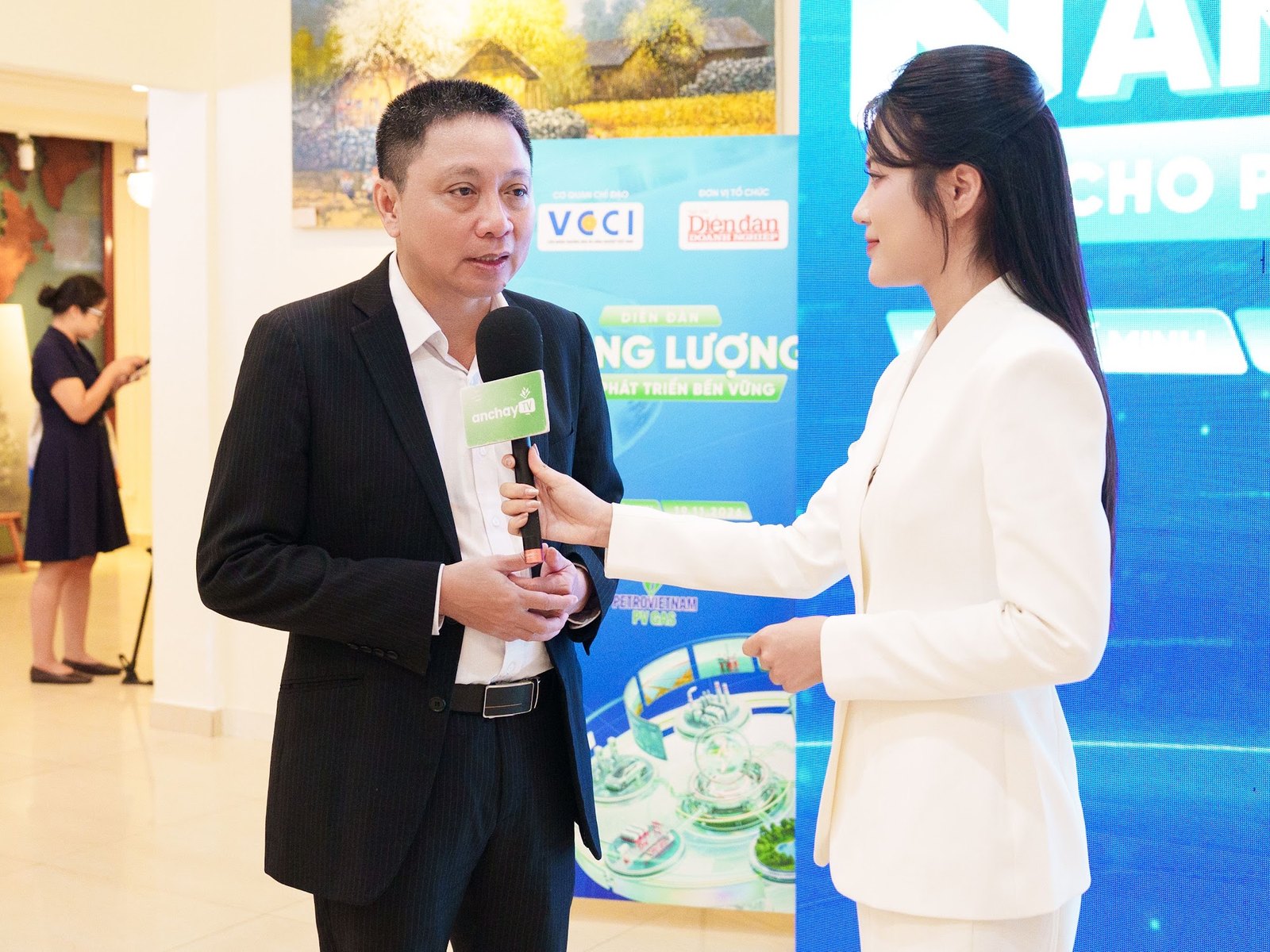
This article is based on information published by the forum’s organiser (Diễn đàn Doanh nghiệp magazine, under the direction of VCCI) and on information from the Vietnam ASEAN Hydrogen Club. Anchay TV attended, filmed and presents it as the Club’s media cooperation partner, under the memorandum of understanding signed on 4 November 2026.