News & Events · Conferences & forums · 20 Nov 20266 reads
Energy for Sustainable Development Forum 2026: twelve voices on green energy, five proposals for the Government
From policymakers and the power sector to businesses and a startup fund, twelve speakers in Ho Chi Minh City on 19 November 2026 took on the same question: enough power, and clean power, for double-digit growth. Anchay TV notes what each of them said and the five groups of proposals VCCI will send to the Government.
Ăn Chay TV NewsNewsroom
Was this useful?
Thanks for your vote.
Anchay TV News – Ho Chi Minh City, 19 November 2026. Twelve voices, from policymakers, the power sector and research institutes to businesses and a startup fund, answered one question at the “Energy for Sustainable Development” forum: how to have enough electricity, and clean electricity, for an economy that wants double-digit growth. At the close, the Vietnam Chamber of Commerce and Industry (VCCI) gathered the ideas into five groups of proposals for the Government.
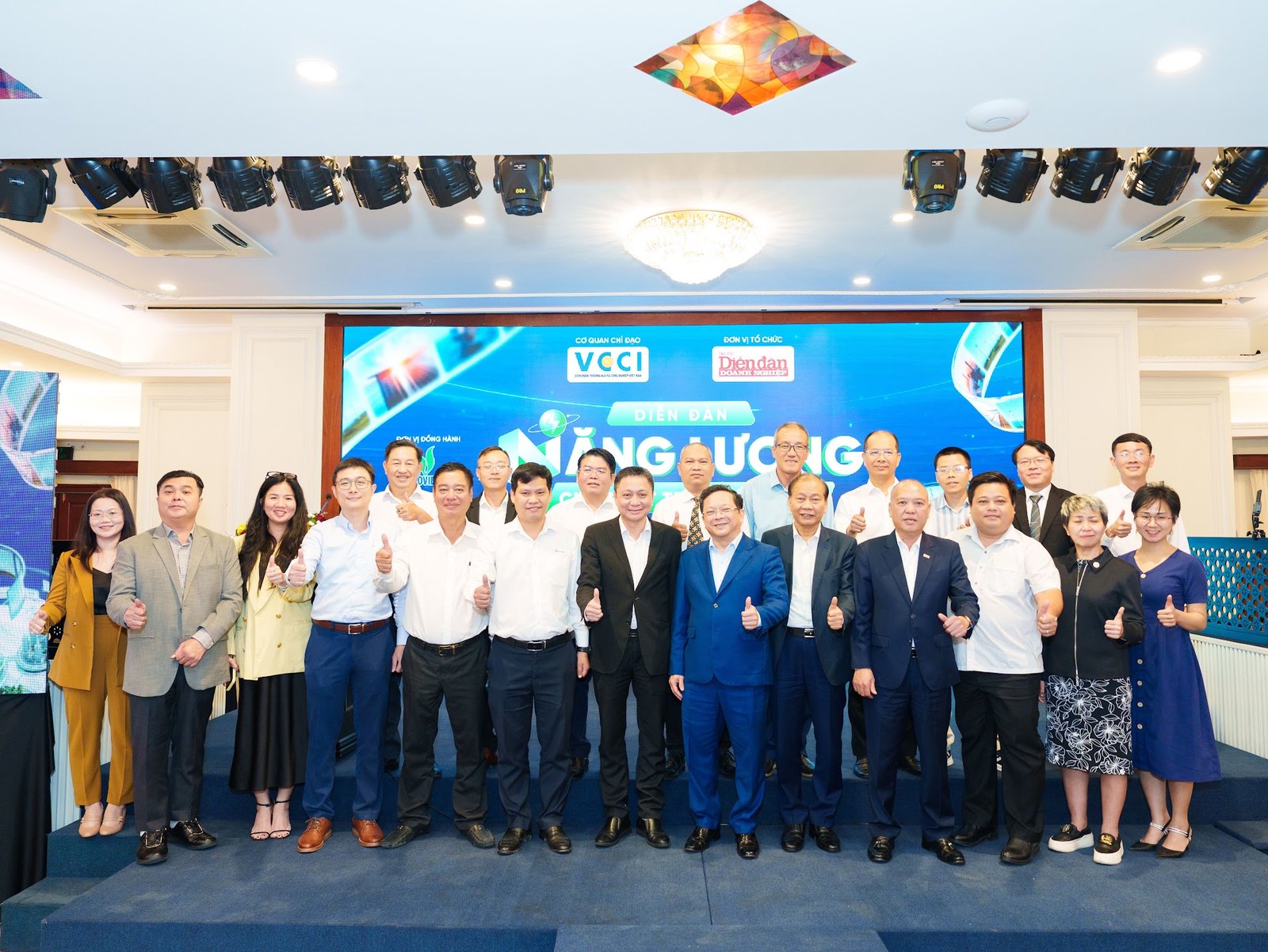
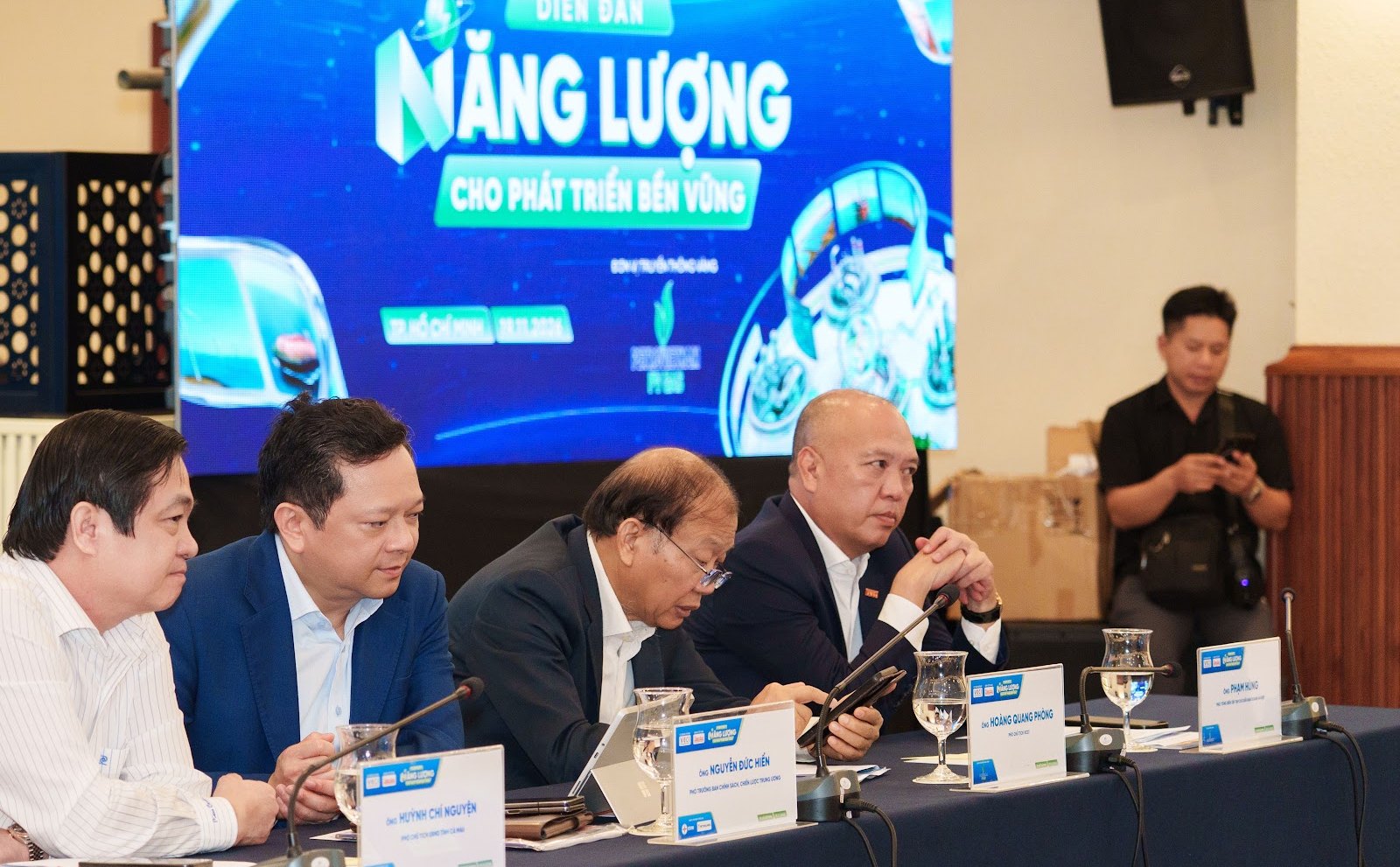
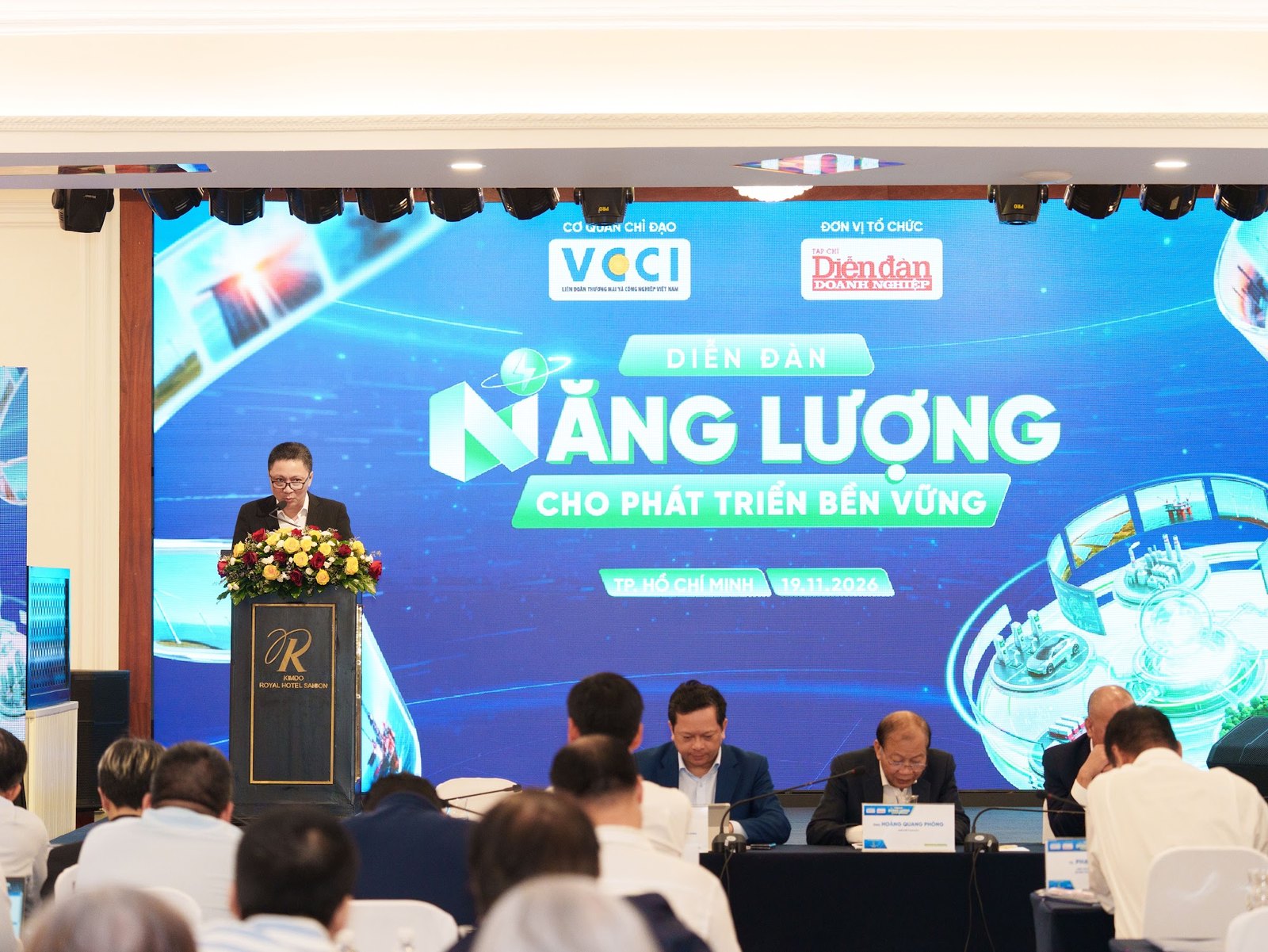
The forum was organised by Diễn đàn Doanh nghiệp (Business Forum) magazine under VCCI’s direction at the Kimdo Royal Hotel Saigon, and moderated by journalist Phạm Hùng, the magazine’s Deputy Editor-in-Chief. Anchay TV attended and filmed as the media cooperation partner of the Vietnam ASEAN Hydrogen Club, one of the organisations presenting.
Why it has to be clean power
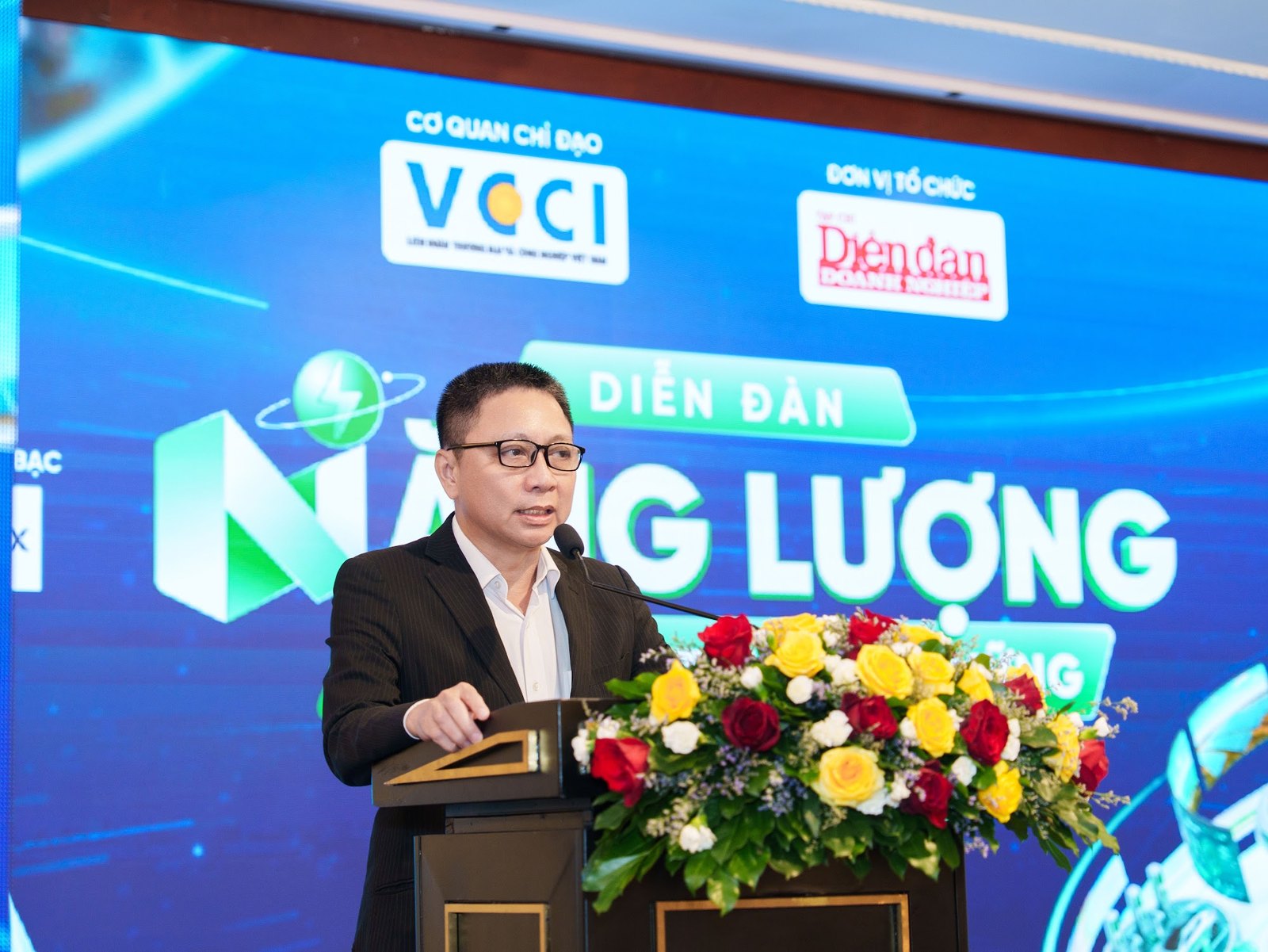
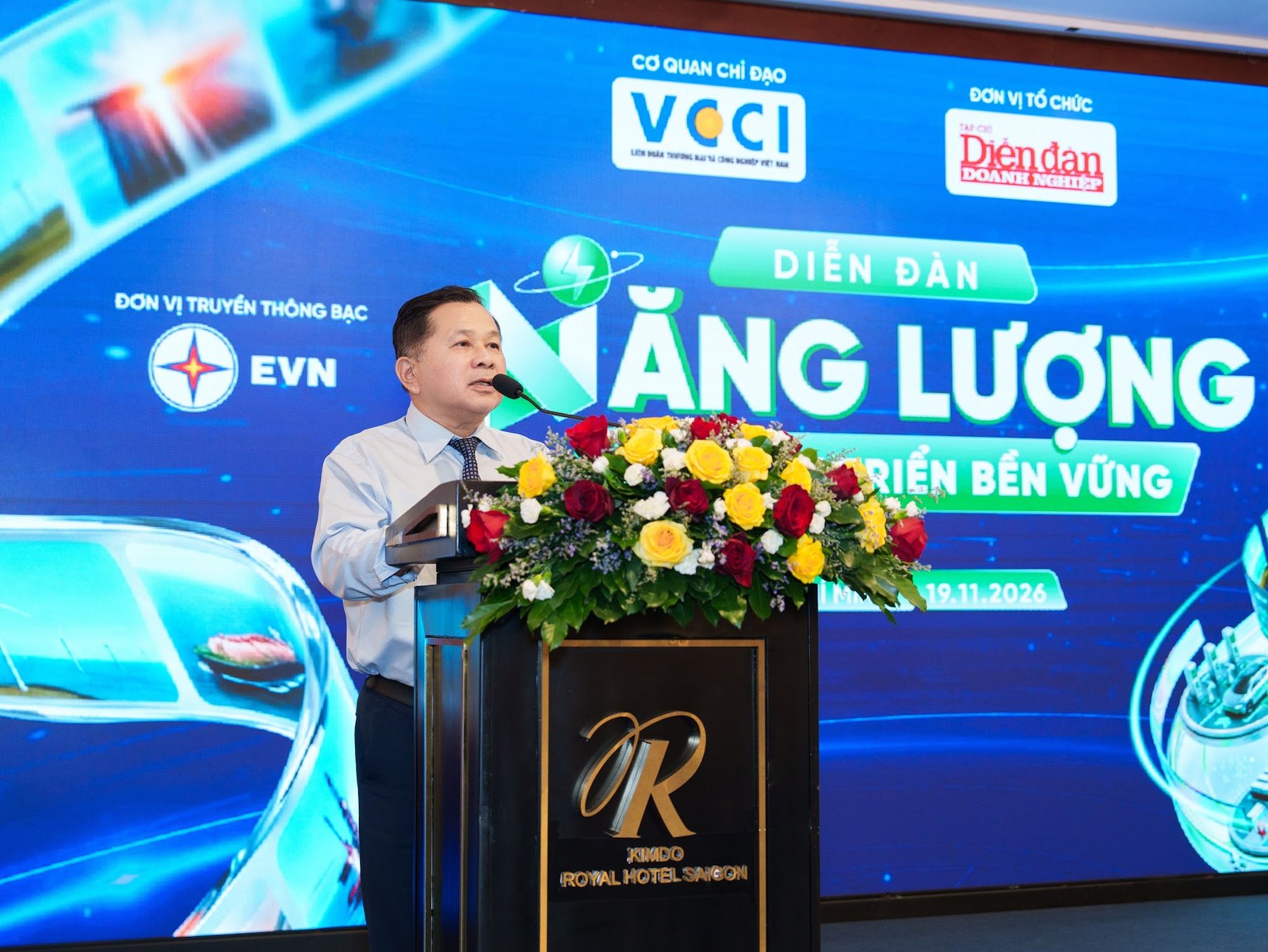
Opening the forum, Mr. Hoàng Quang Phòng, Vice President of VCCI, cited the Ministry of Industry and Trade’s Vietnam Energy Security Report 2026: as of 9 November 2026, 102 of 177 countries surveyed were in energy difficulty and only 13 remained stable, Vietnam among them. But he said plainly that this does not mean the risks are gone: Vietnam still depends heavily on imports, and many generation and transmission projects are behind what is needed. For businesses, he said, keeping pace with the energy transition is no longer a choice but a condition for survival in the face of green barriers such as the European Union’s carbon tax; many factories now ask for solar power to be built in from the design stage.
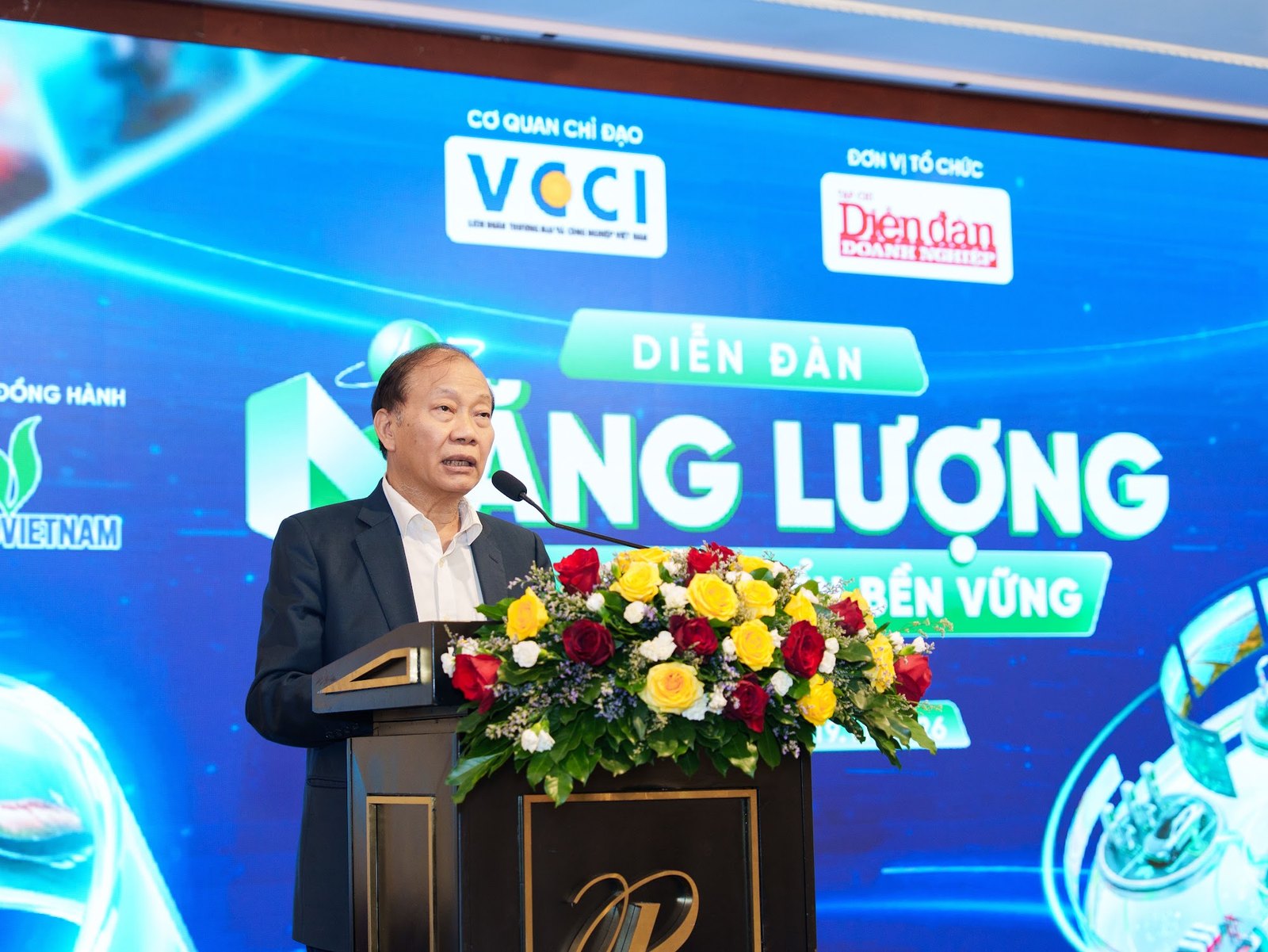
Dr. Nguyễn Đức Hiển, Deputy Head of the Central Policy and Strategy Commission, framed the problem at national scale. For the economy to grow at double digits in 2026–2030, commercial electricity must grow 11–12% a year. Meanwhile Vietnam has moved from self-sufficiency to being a net importer of primary energy: import dependence rose from 8.4% in 2015 to 44% in 2025. The revised Power Development Plan VIII is also behind schedule: only about 5% of generation projects have reached commercial operation, and the transmission grid stands at 40.2%.
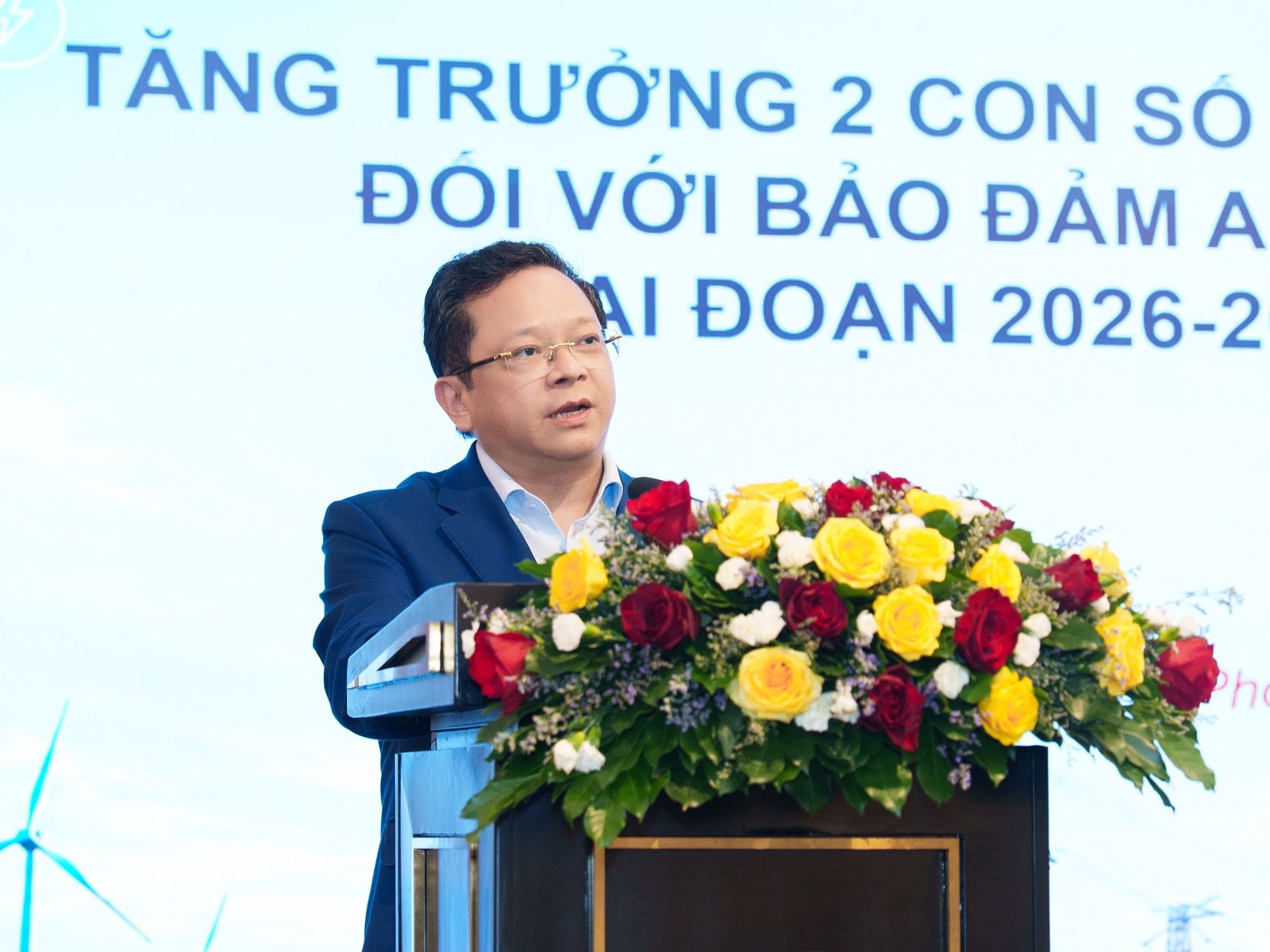
Mr. Huỳnh Anh Tuyên, Deputy Chief Representative of the Ministry of Industry and Trade’s Office for the Central and Southern regions, said commercial electricity grew 8–9% a year on average in 2021–2025, faster than GDP. The challenge now, he said, is not just enough power but clean power, as major markets apply the carbon border adjustment mechanism (CBAM) and multinationals tighten renewable-energy requirements across their supply chains. He set out four directions: develop the transmission grid and energy storage; bring direct power purchase agreements (DPPA) into industrial zones; tie new energy in the Mekong Delta to the marine economy and agriculture; and use energy sparingly and efficiently.
The shortfall, the grid and the solar wave
According to Ministry of Industry and Trade calculations cited at the forum, without breakthrough mechanisms the system could be short of about 4,300 MW in 2027 and as much as 13,964 MW, equal to 61.2 billion kWh, in 2030. Dr. Phạm Viết Thuận, Director of the Ho Chi Minh City Institute of Resource and Environmental Economics, described the power sector as caught between three goals that are hard to reconcile: capacity must grow 12–16% a year, electricity prices must stay stable, and net emissions must reach zero by 2050. He estimated that about USD 21 billion is needed to cover the 14,000 MW shortfall.
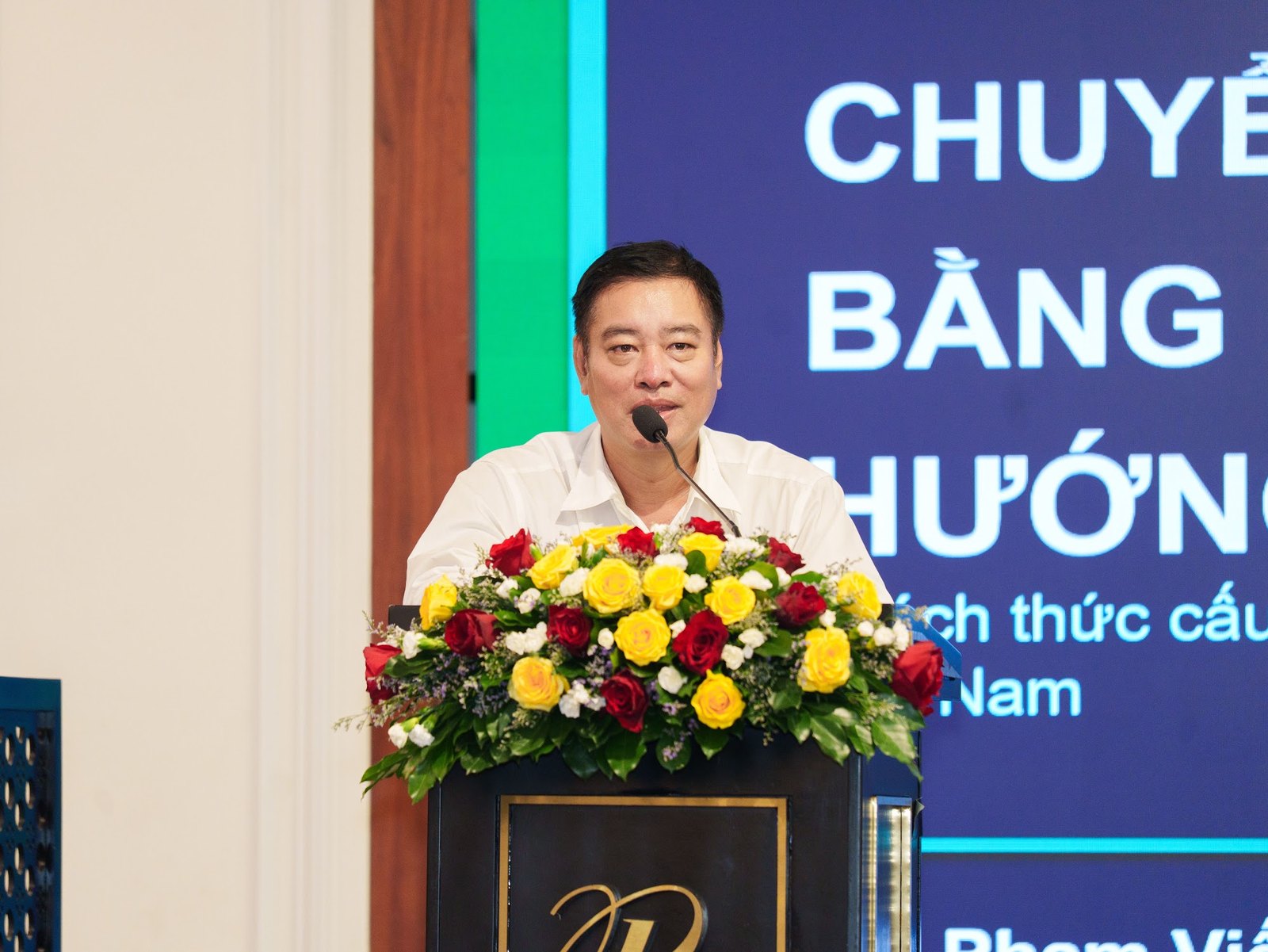
Mr. Bùi Quốc Hoan, Deputy General Director of the Southern Power Corporation (EVNSPC), brought the view of those who keep the grid running. The corporation distributes power to 8 southern provinces and cities, with peak load above 10,000 MW and about 8.7 million customers. The area has about 5,000 MW of solar, close to half of peak load, which makes forecasting and operation much harder. EVNSPC invested VND 58 trillion in 2021–2025; for 2026–2030 the need is estimated at up to VND 96 trillion.
A market for clean power: a DPPA exchange, technology and standards
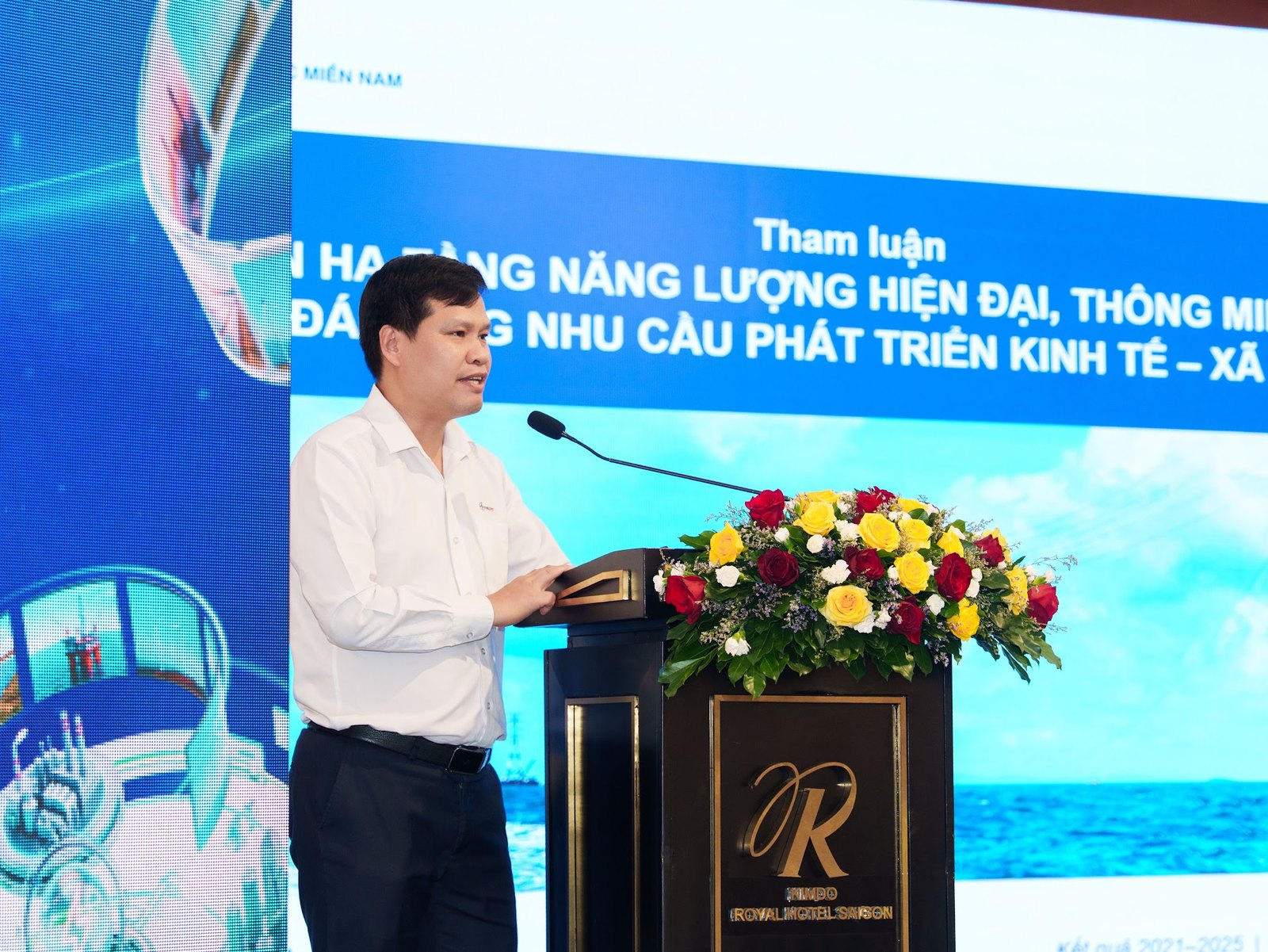
Mr. Lê Ngọc Ánh Minh, Chairman of the Vietnam ASEAN Hydrogen Club (VAHC) and Executive Chairman of Pacific Group, proposed that VCCI lead the study of an AI-assisted real-time DPPA exchange, with a module that turns surplus renewable power into green hydrogen and a module that manages carbon certificates. He asked for a regulatory sandbox to test the model. The details are in our separate article on Mr. Minh’s proposal.
Dr. Bùi Trọng Vinh, Director of the Research Institute for Sustainable Energy (RISE), noted that renewable energy is distributed by nature, so AI is needed in grid dispatch, together with strict cybersecurity. He cited a factory in Tây Ninh that cut its production electricity costs by 23% with rooftop solar and storage, and said the private sector has the advantage of deciding quickly on green investment.
Ms. Nguyễn Ngọc Quỳnh, Deputy General Director of Bách Khoa Solar Energy Investment and Development (SolarBK), said that carrying out DPPA contracts in industrial zones is still cumbersome even though the legal framework has opened the way. She called for a one-stop mechanism with clear deadlines, a published long-term DPPA price framework, and mandatory technical standards for solar panels and storage systems, tied to manufacturers’ responsibility for recycling.
Capital: the money is there, the trust is not
Mr. Phạm Đăng An, Deputy General Director of Vũ Phong Group, argued that money for the energy transition is not scarce; what is missing is a mechanism that makes risk clear to those who provide it. He cited a solar project for the Fukang factory: built in four months without interrupting production, it delivers about 12 million kWh of clean power a year, with no upfront investment from the company. He called for a template contract for private-wire DPPAs and for small projects to be pooled into portfolios large enough to issue green bonds.
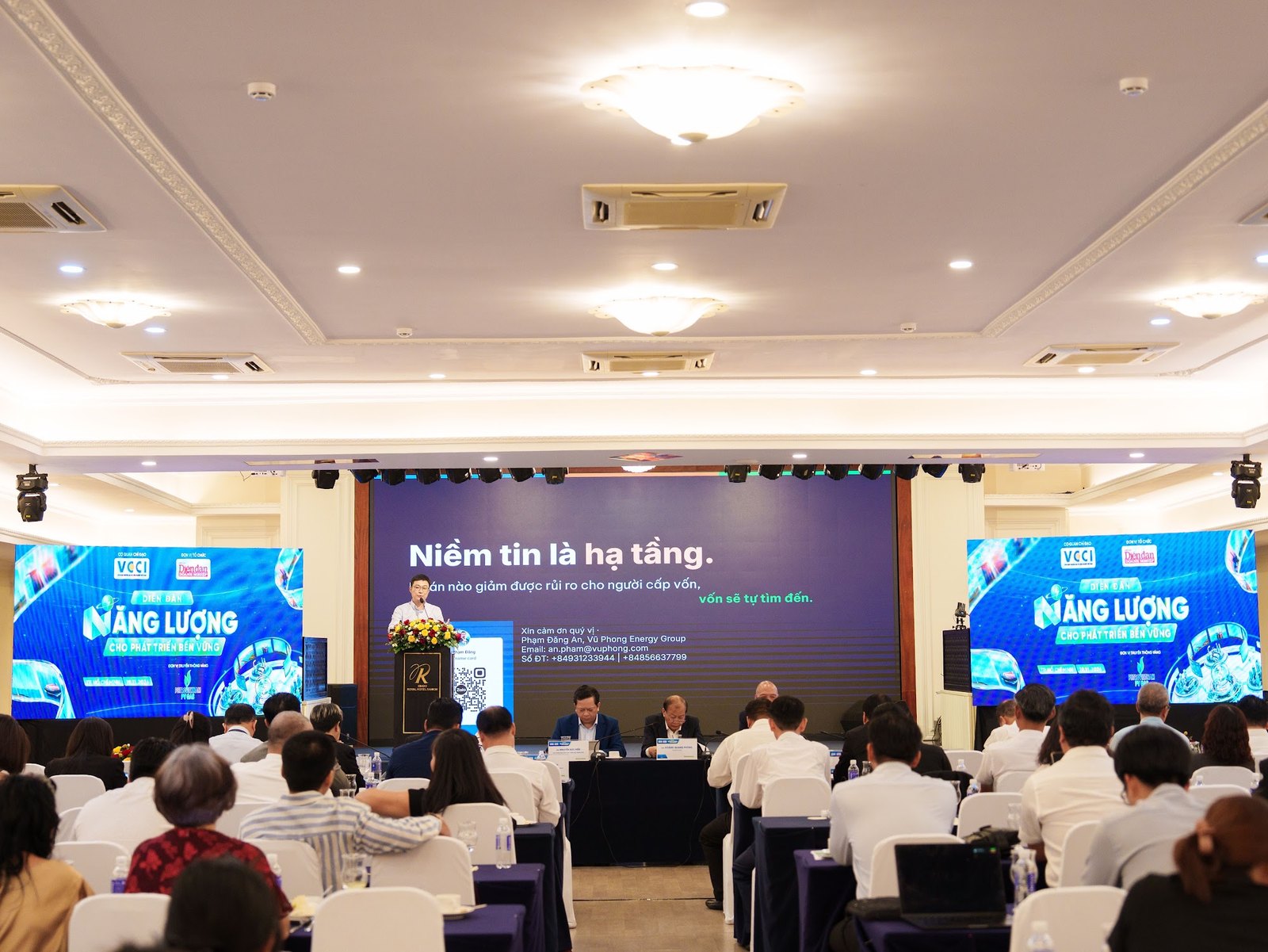
Mr. Phùng Xuân Minh, Chairman and CEO of PT Group, Saigon Ratings, looked at it from the credit-rating side. According to figures cited at the forum, the power sector alone needs about USD 77 billion in 2026–2030. He said both domestic and international money is available, but international investors remain cautious while the green bond market lacks a common set of appraisal criteria. The first thing to do, in his view, is to unblock the 172 renewable projects that are waiting.
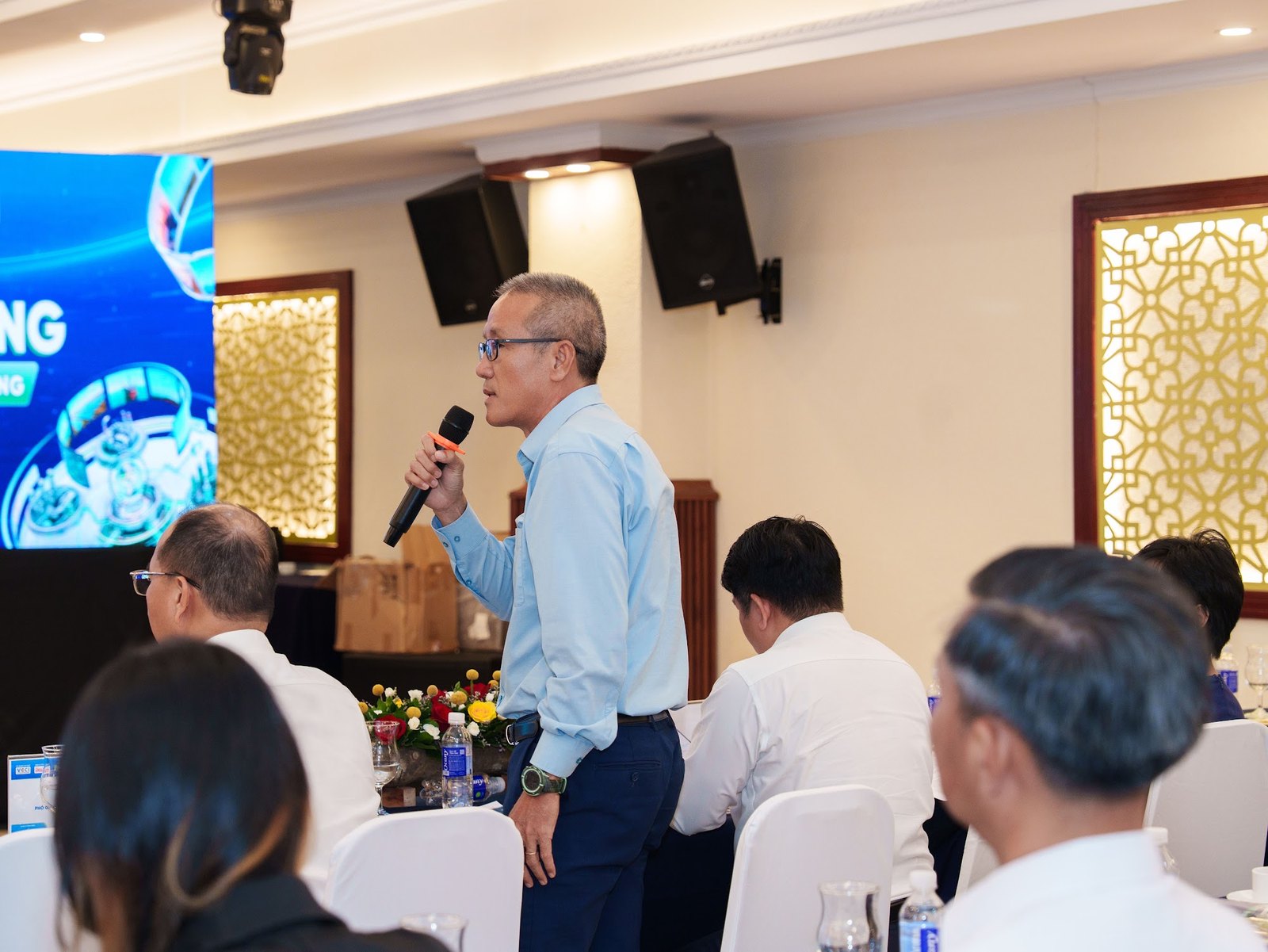
Mr. Bùi Văn Thịnh, Chairman of the Lâm Đồng Wind and Solar Power Association (LDWSEA), gave a developer’s numbers: Power Development Plan VIII aims to add about 15,000 MW a year, but in 2022–2024 less than 2,000 MW was added each year, and 2025 reached 6,400 MW. He called for the stalled projects to be resolved, for the price framework to be adjusted together with a mechanism to share exchange-rate risk, and for a gap between peak and off-peak prices to encourage investment in battery storage.
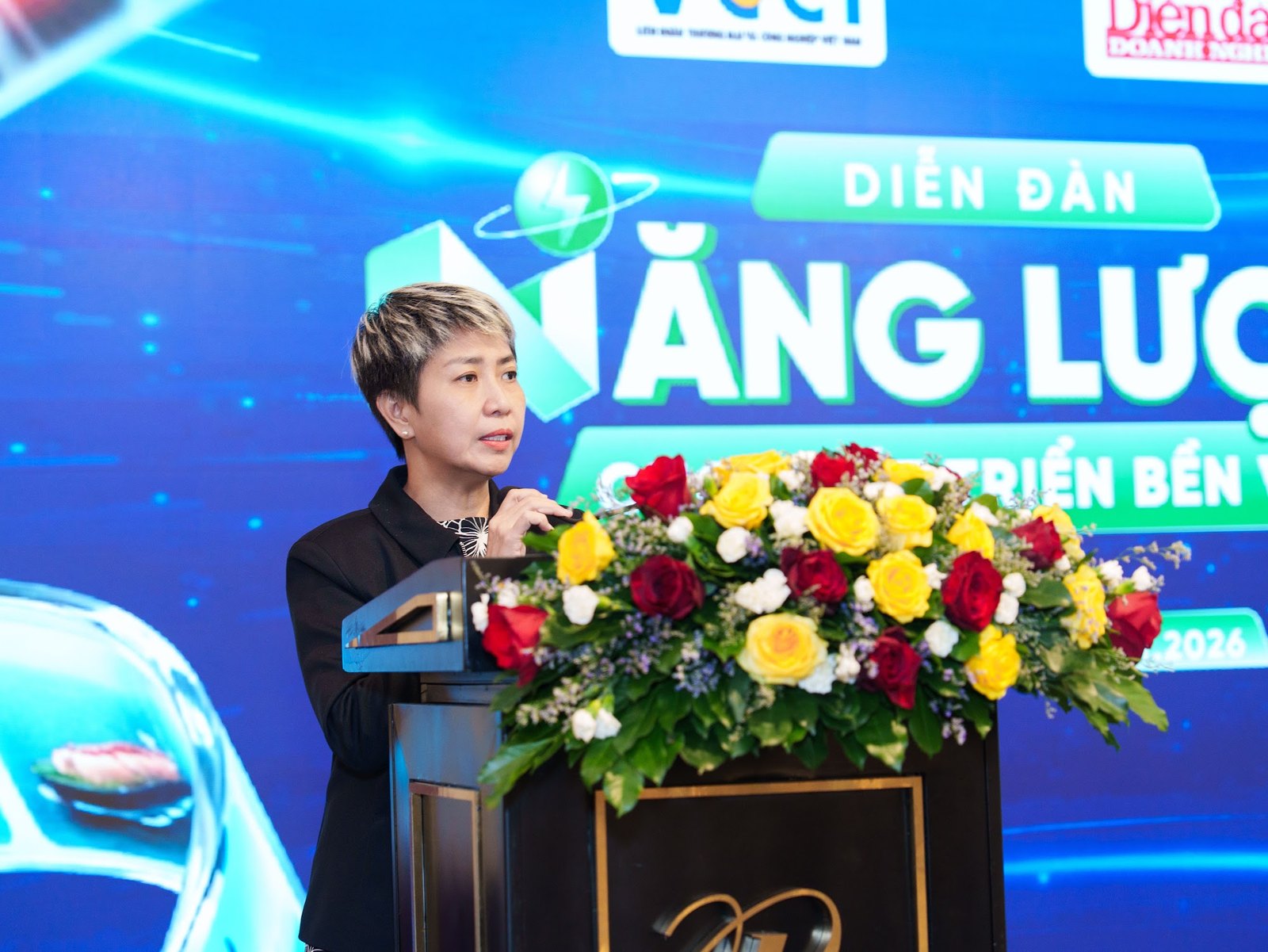
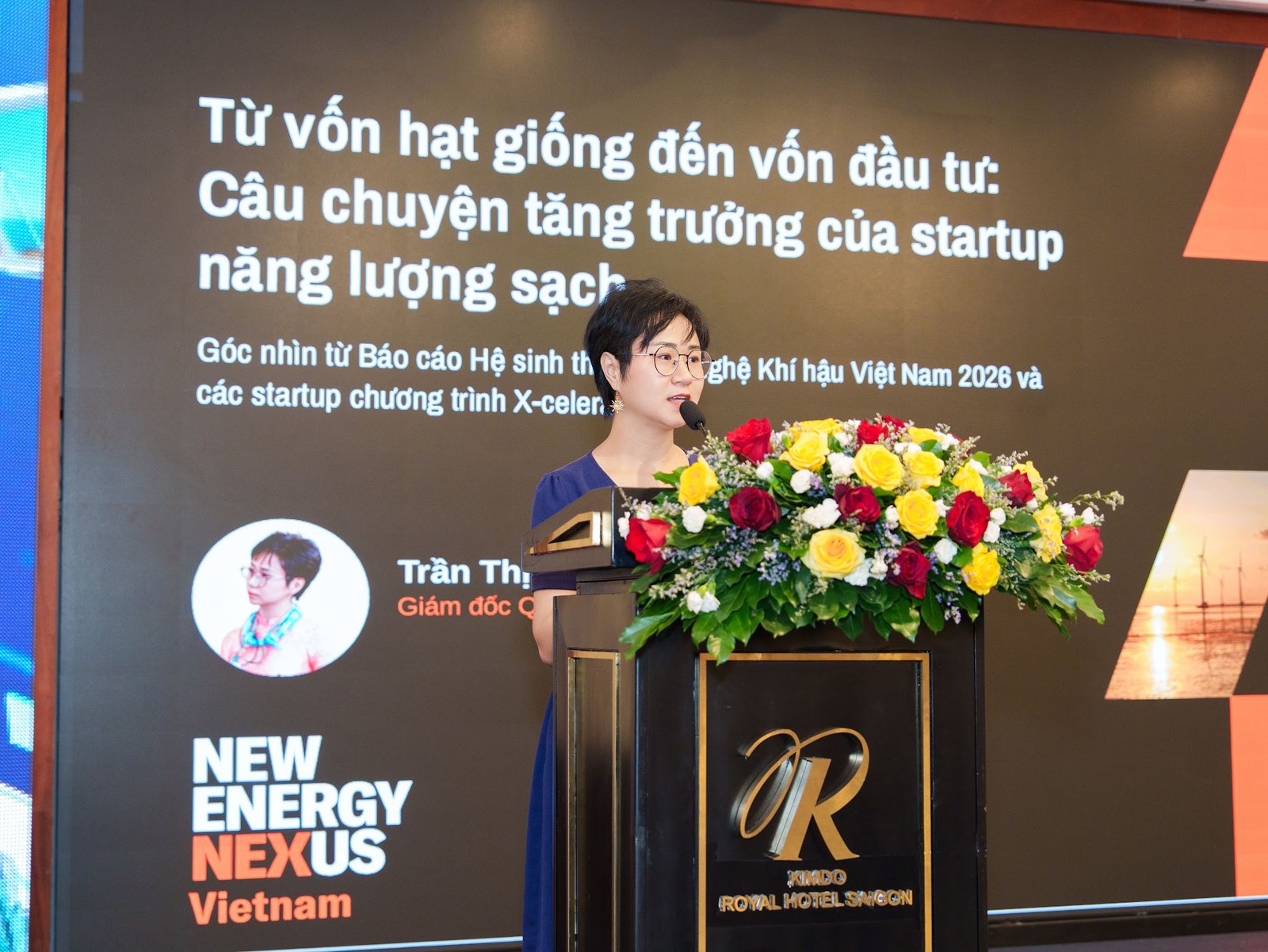
Ms. Trần Thị Phương Thảo, Country Director of New Energy Nexus Vietnam, told the startups’ side of the story. The organisation has supported about 150 startups since 2019, but the market lacks funding in the USD 350,000 to 1 million range. She proposed that VCCI and financial institutions set up a co-funding vehicle for that segment and build credit appraisal criteria specific to clean energy.
Anchay TV at the forum
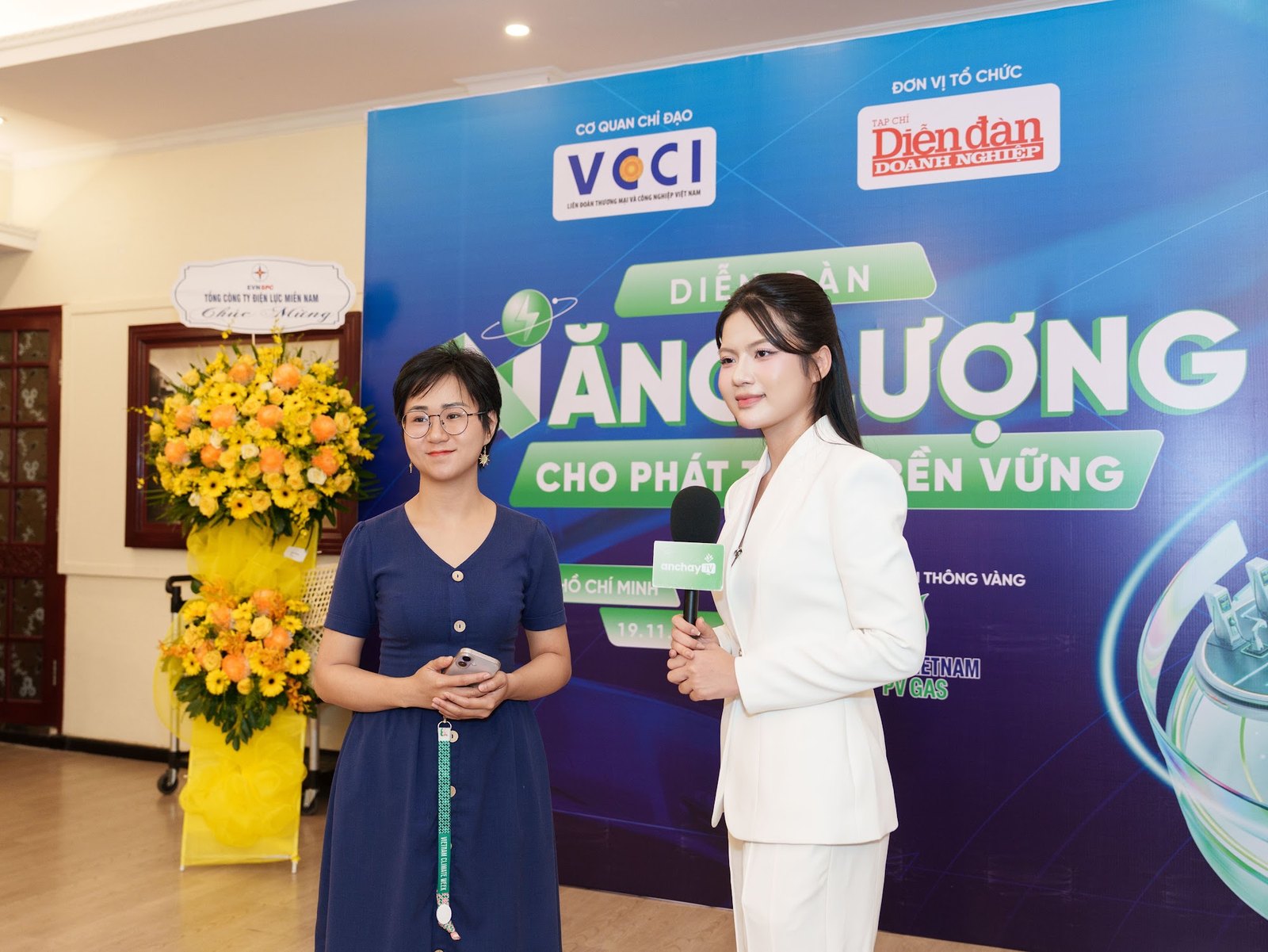
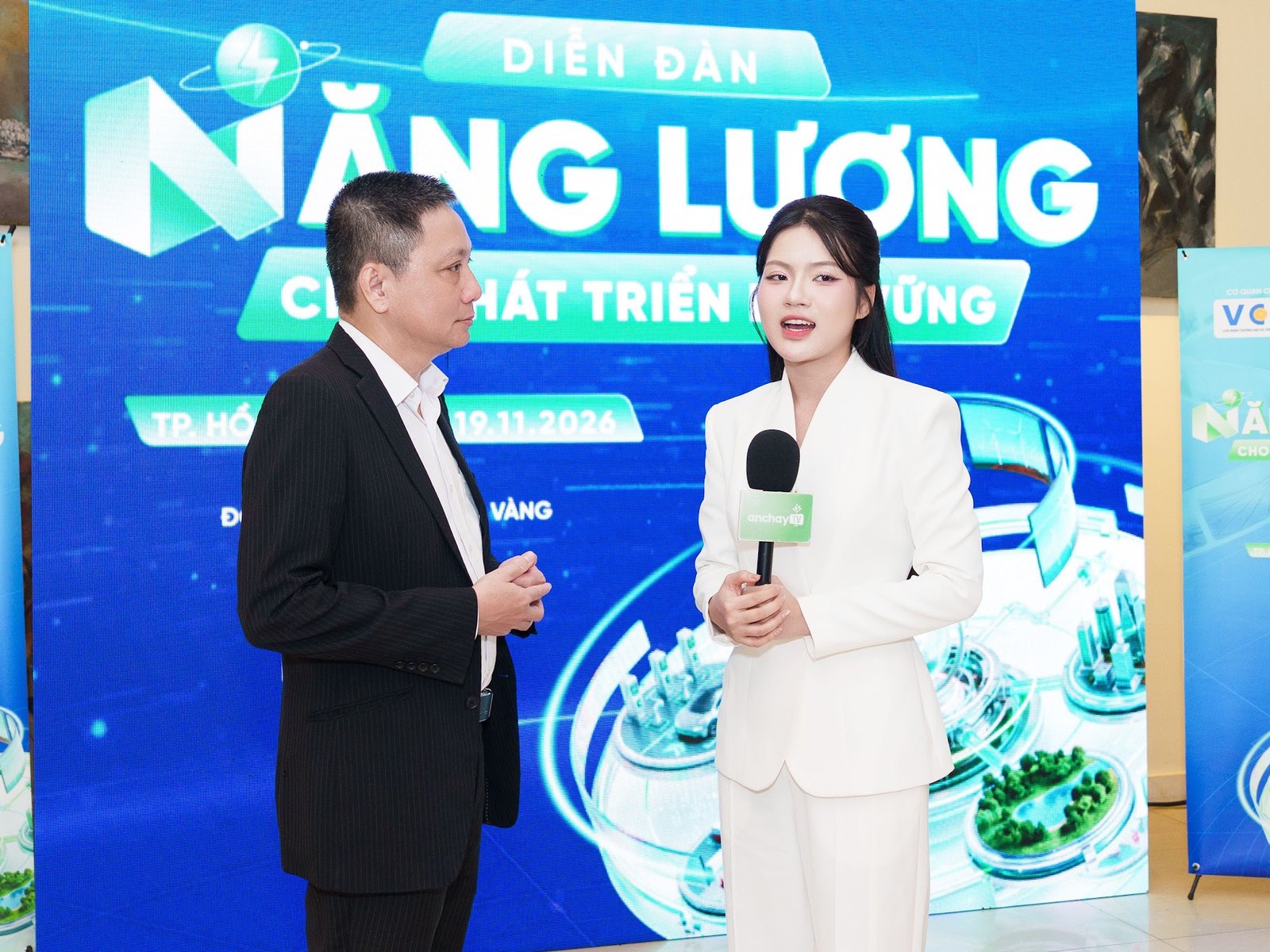
On the sidelines, the Anchay TV crew filmed conversations with Mr. Lê Ngọc Ánh Minh, Ms. Trần Thị Phương Thảo, Ms. Nguyễn Ngọc Quỳnh, Mr. Bùi Quốc Hoan and Ms. Khánh Linh of Hòa Bình Investment and Renewable Energy JSC (Hòa Bình HRE).

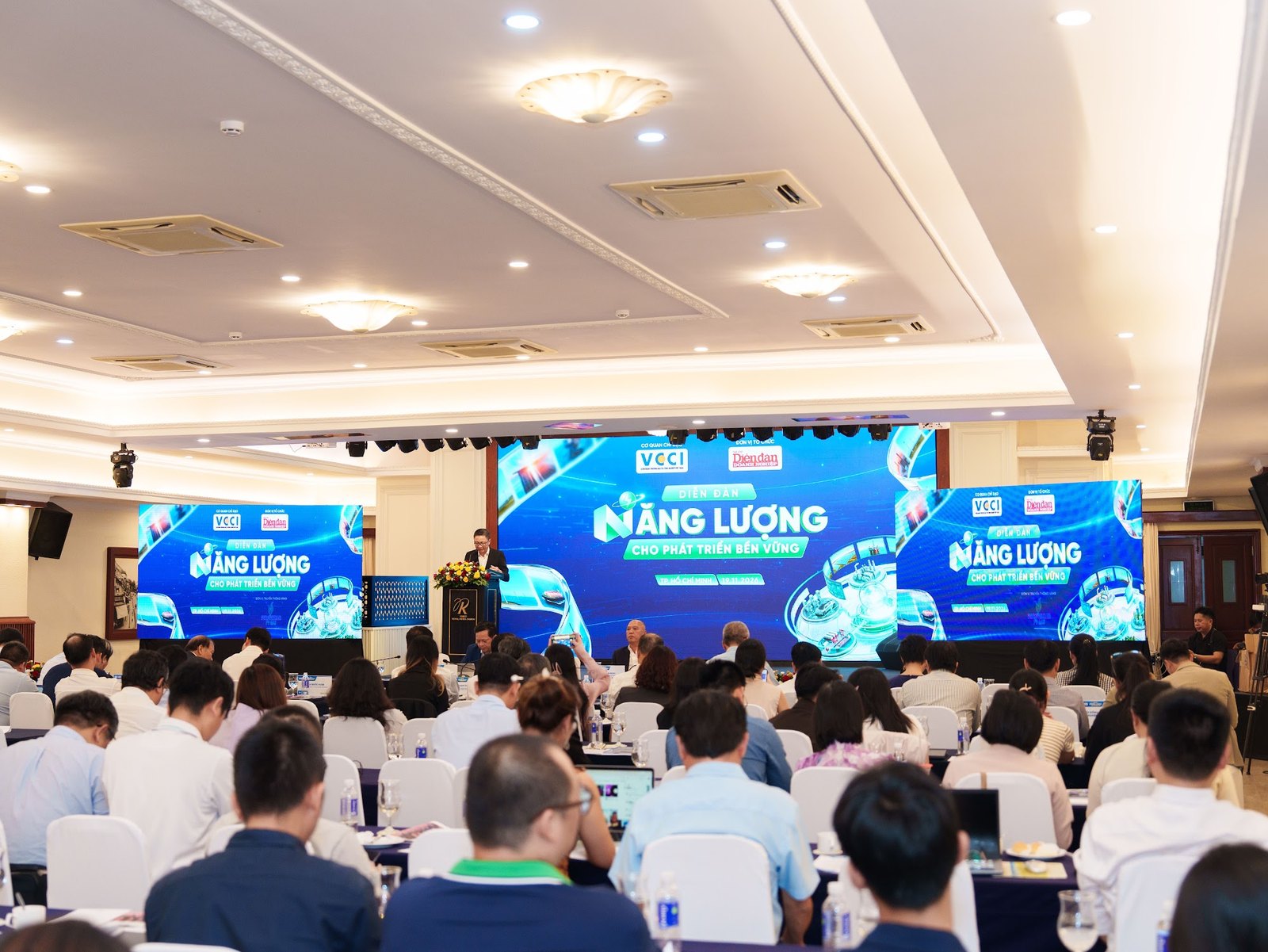
In his closing remarks, Mr. Hoàng Quang Phòng said VCCI will compile all the opinions into a report to the Prime Minister and the Government, along the five groups of proposals listed at the top of this article.
This article is based on information published by the forum’s organiser (Diễn đàn Doanh nghiệp magazine, under the direction of VCCI) and on information from the Vietnam ASEAN Hydrogen Club. Anchay TV attended, filmed and presents it as the Club’s media cooperation partner, under the memorandum of understanding signed on 4 November 2026.