News & Events · Conferences & forums · 28 Nov 20260 reads
International Hydrogen & Future Energy Forum – Towards 2030: from breakthrough technologies to investment and practical deployment
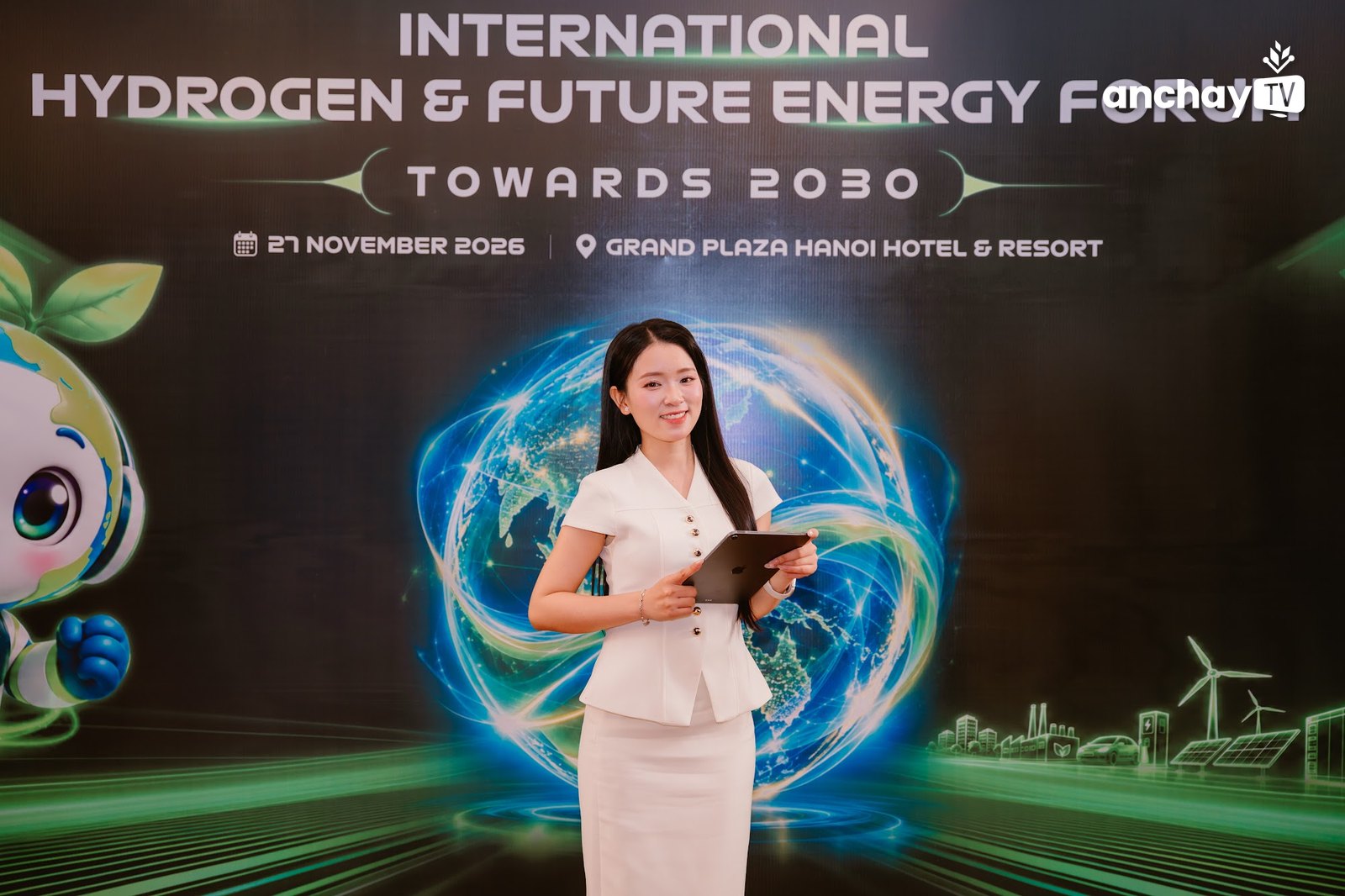
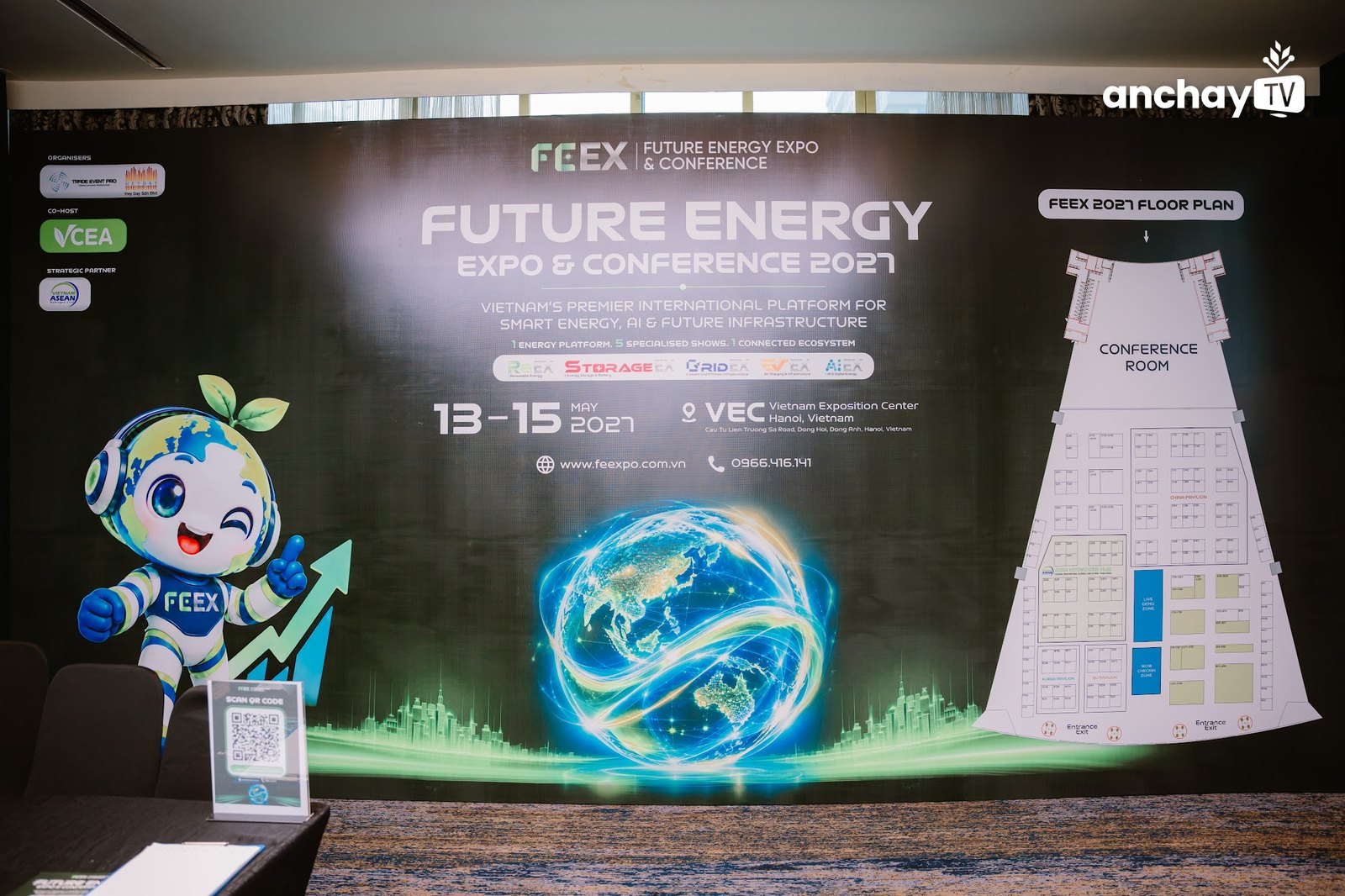
In Hanoi on 27 November 2026, the forum hosted by the Vietnam ASEAN Hydrogen Club and organised by Trade Event Pro and Hey Day Sdn Bhd took hydrogen full circle, from technology, infrastructure and applications to the question of money, across three sessions and two roundtables. It was a pre-event of FEEX 2027, which meets again at VEC on 13–15 May 2027.
Ăn Chay TV NewsNewsroom
Was this useful?
Thanks for your vote.
Anchay TV News – Hanoi, 27 November 2026. The International Hydrogen & Future Energy Forum – Towards 2030 was held at the Grand Plaza Hanoi Hotel under the theme “Hydrogen & Future Energy: From Breakthrough Technologies to Investment and Practical Deployment”. Over one day, scientists, technology companies, project developers and finance specialists from Vietnam and abroad worked through the whole hydrogen value chain: production technology, infrastructure, uses in industry and transport, and the hardest question of all, where the money comes from.
The Vietnam ASEAN Hydrogen Club (VAHC) was the host; Trade Event Pro Exhibition Services Co., Ltd. and Hey Day Sdn Bhd (Malaysia) were the organisers; Huawei was the diamond sponsor. The event partners listed on the stage backdrop included GIHF, the Hydrogen Energy Association (UK), FCHEA, GSFA, Envision, FiinGroup, TMEIC, EnergyChain, Kanadevia, Wisdom Motor and KPT Chemical, among others. The forum was an official pre-event of the Future Energy Expo & Conference, FEEX 2027.
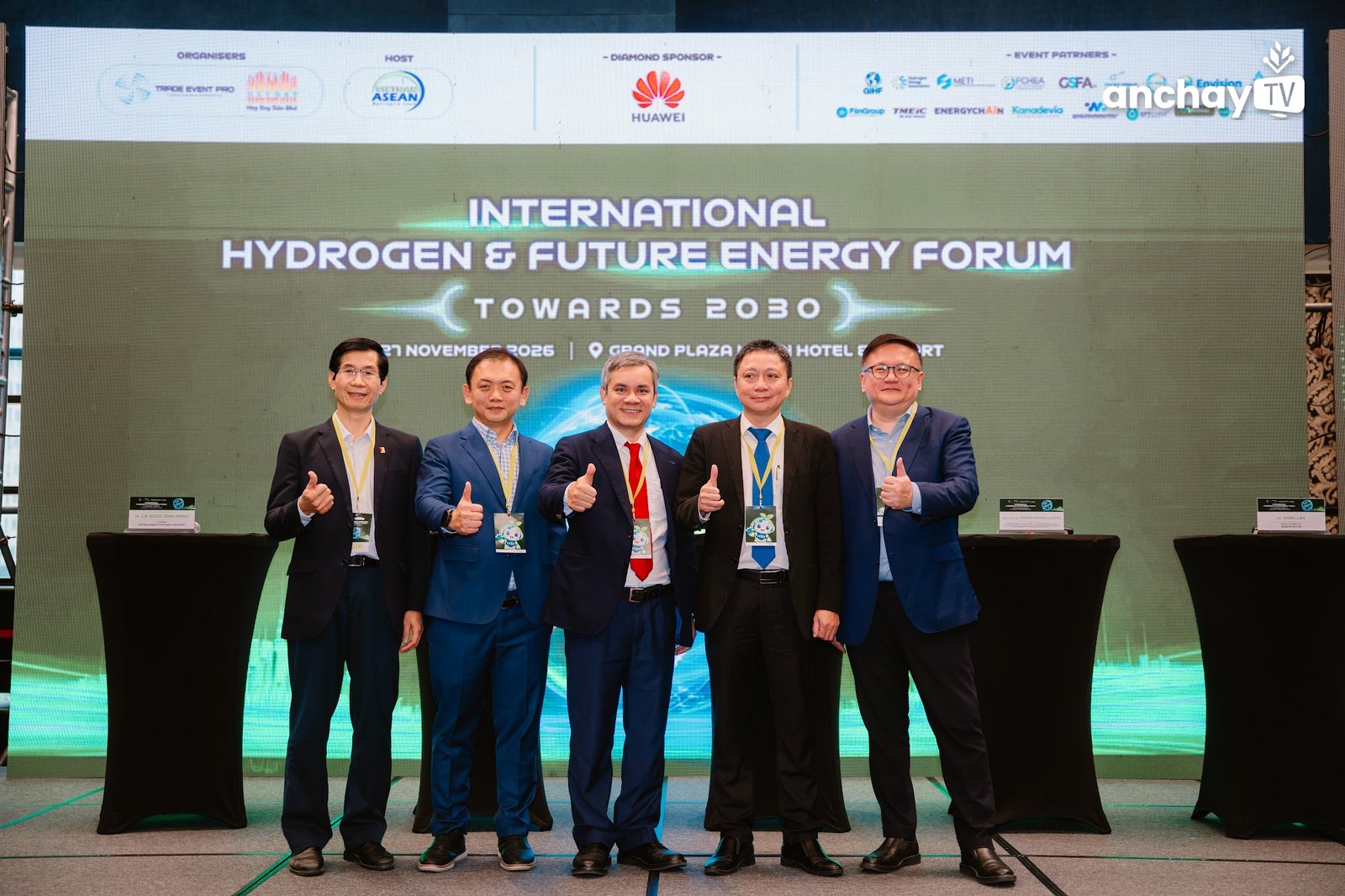
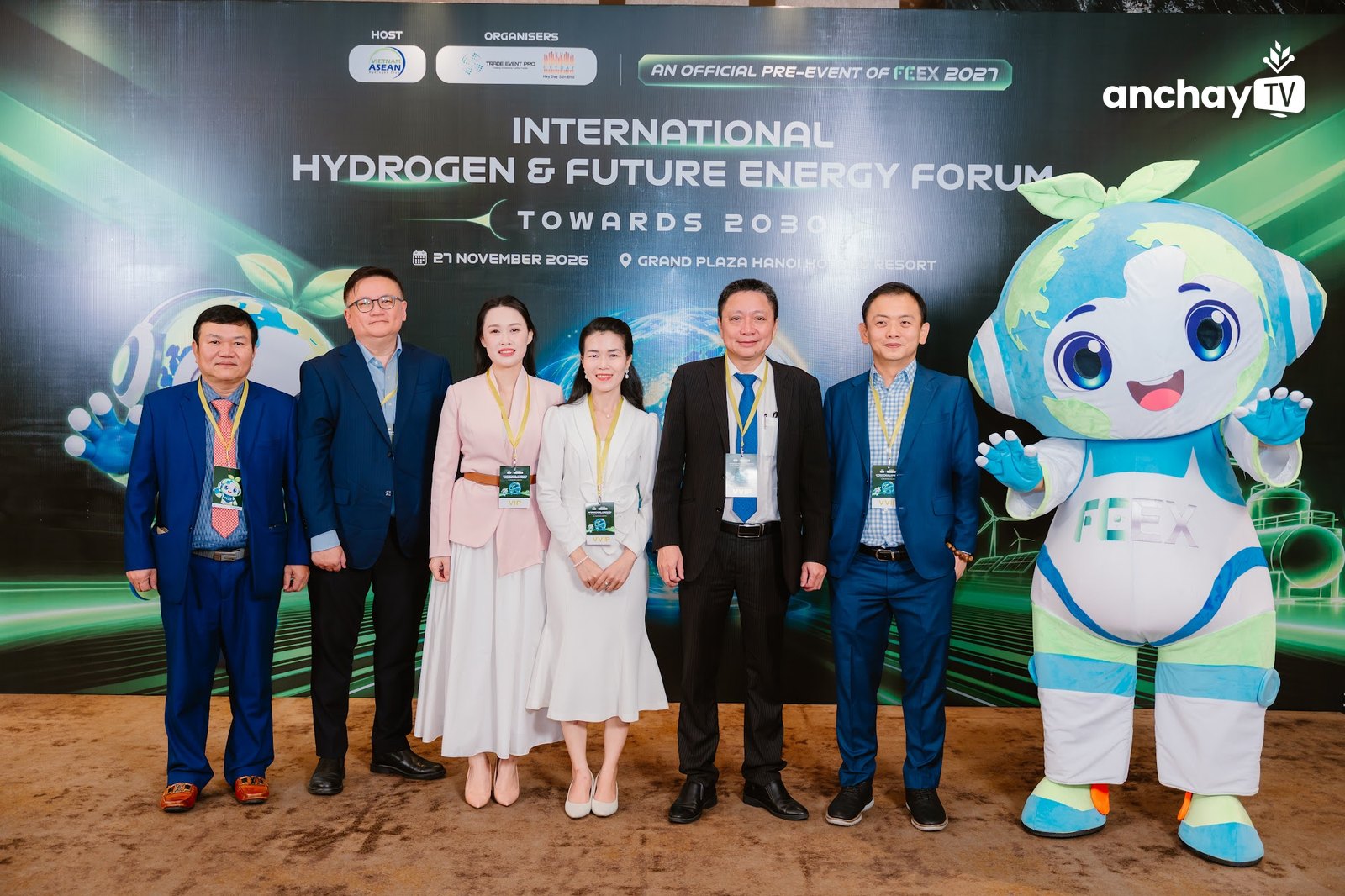
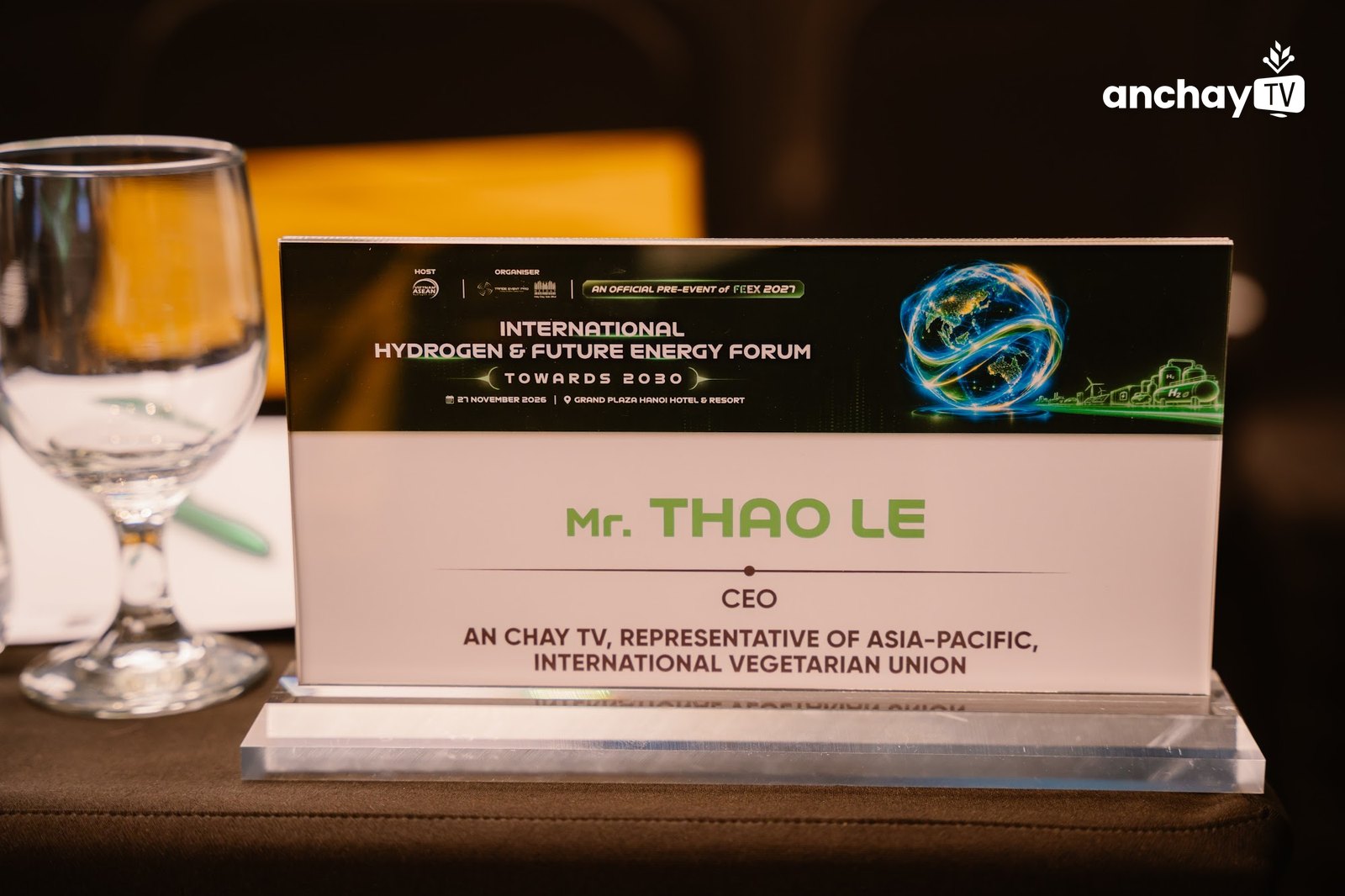
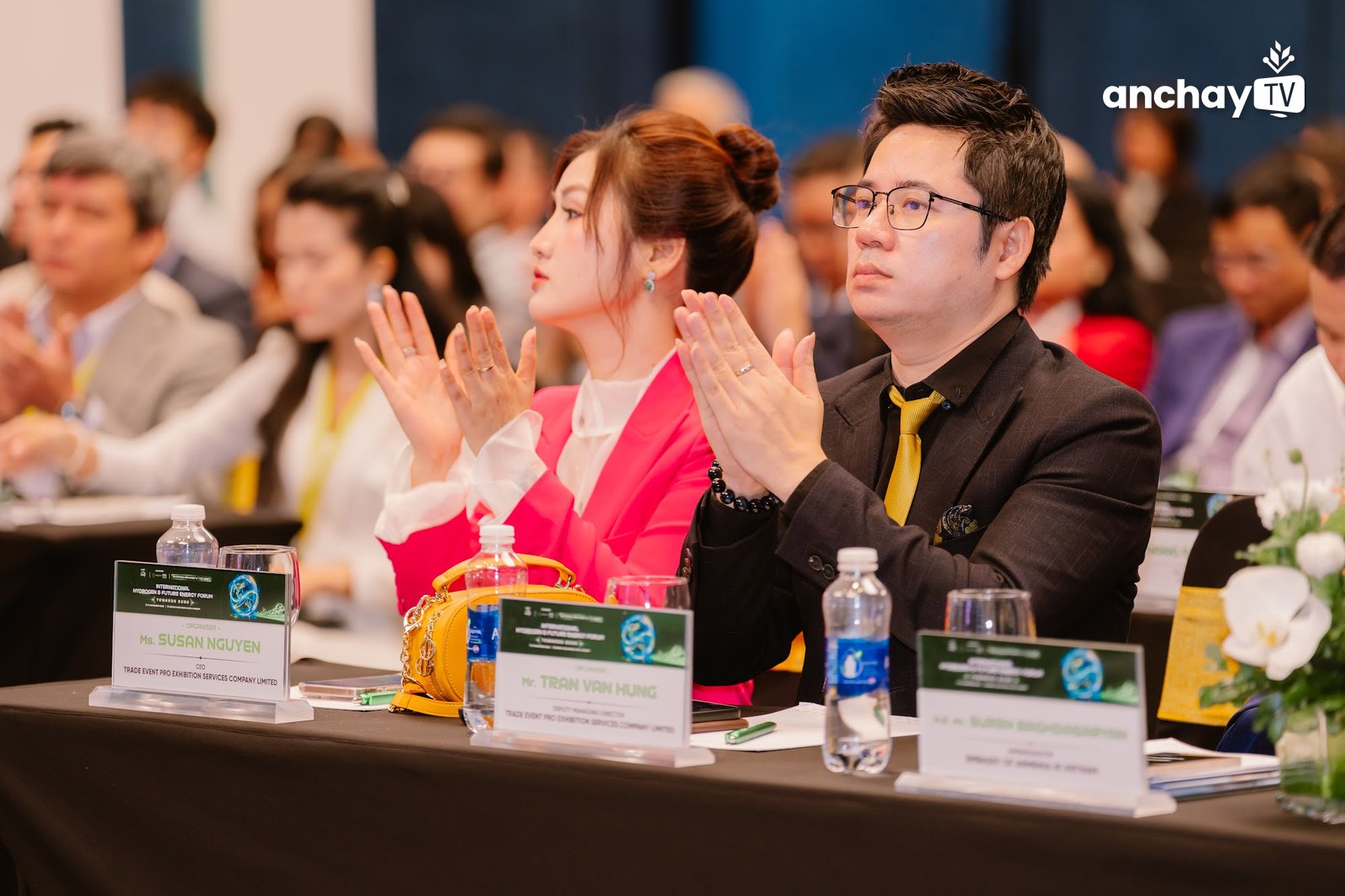
Anchay TV attended as a media partner for clean energy; the Vietnam ASEAN Hydrogen Club, the host, is one of the channel’s partners under the memorandum of understanding signed on 4 November 2026. Thao Lê’s name plate on the delegates’ table reads CEO of Anchay TV and Asia-Pacific representative of the International Vegetarian Union (IVU).
Opening: where hydrogen stands
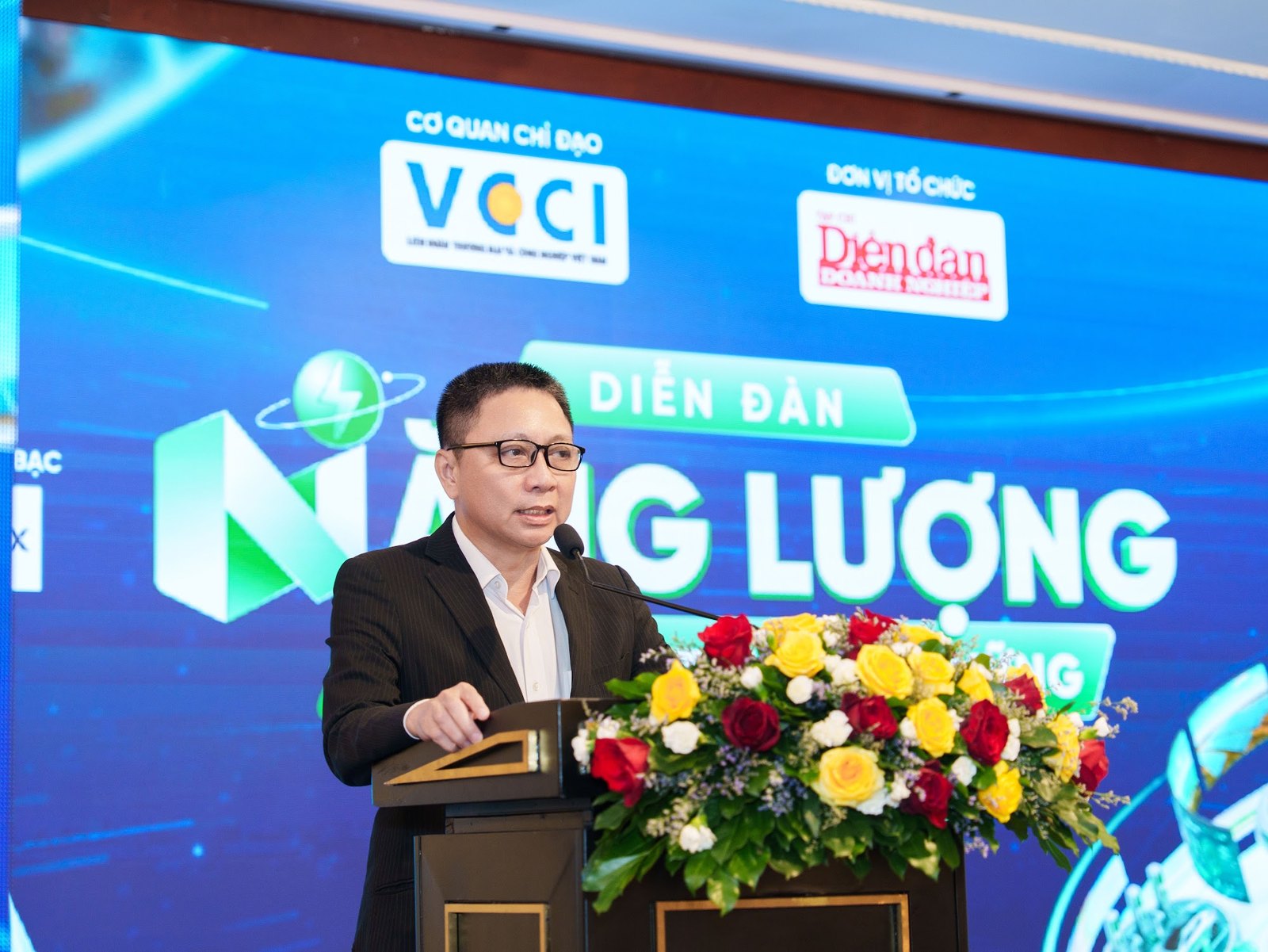
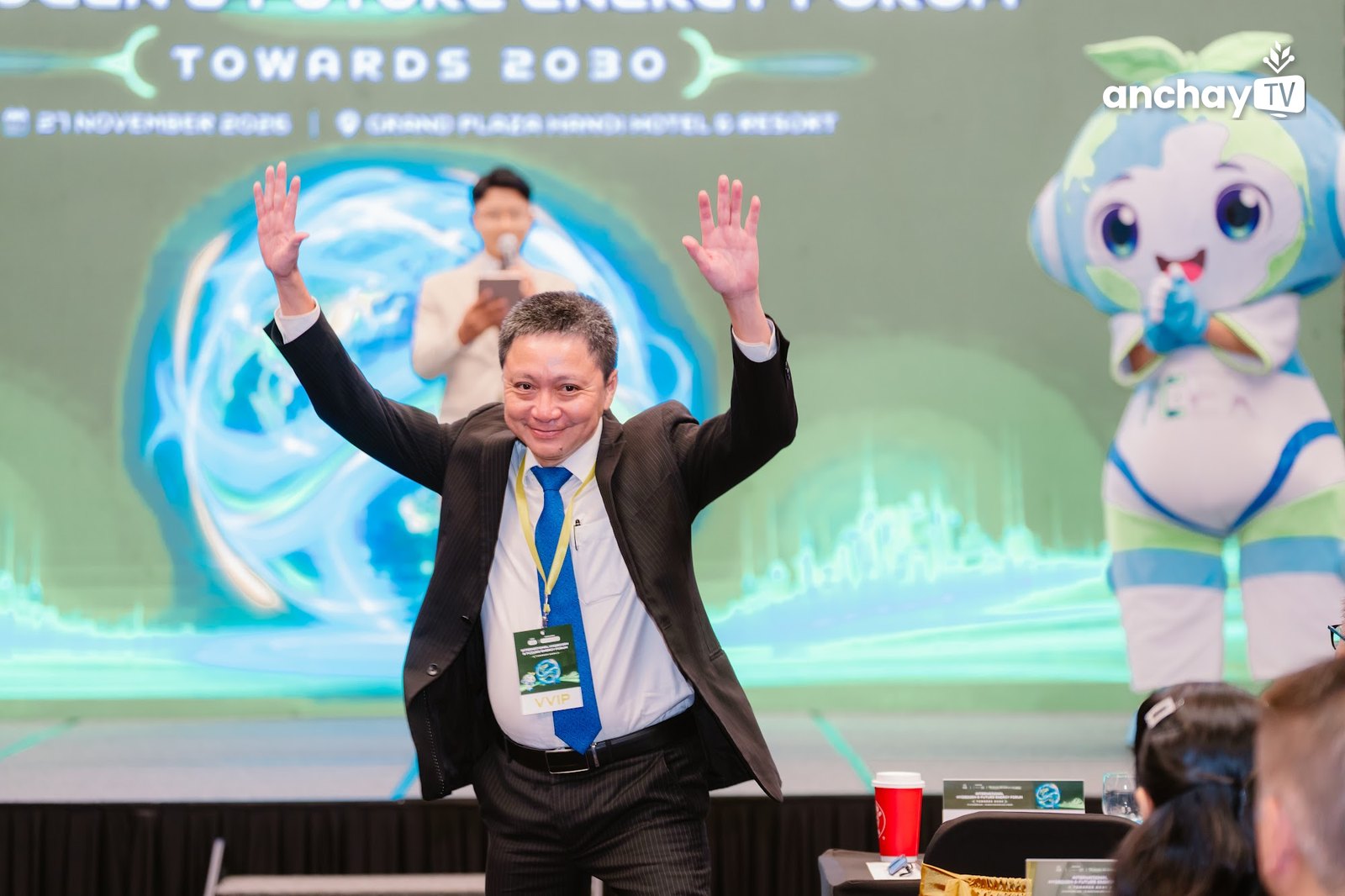
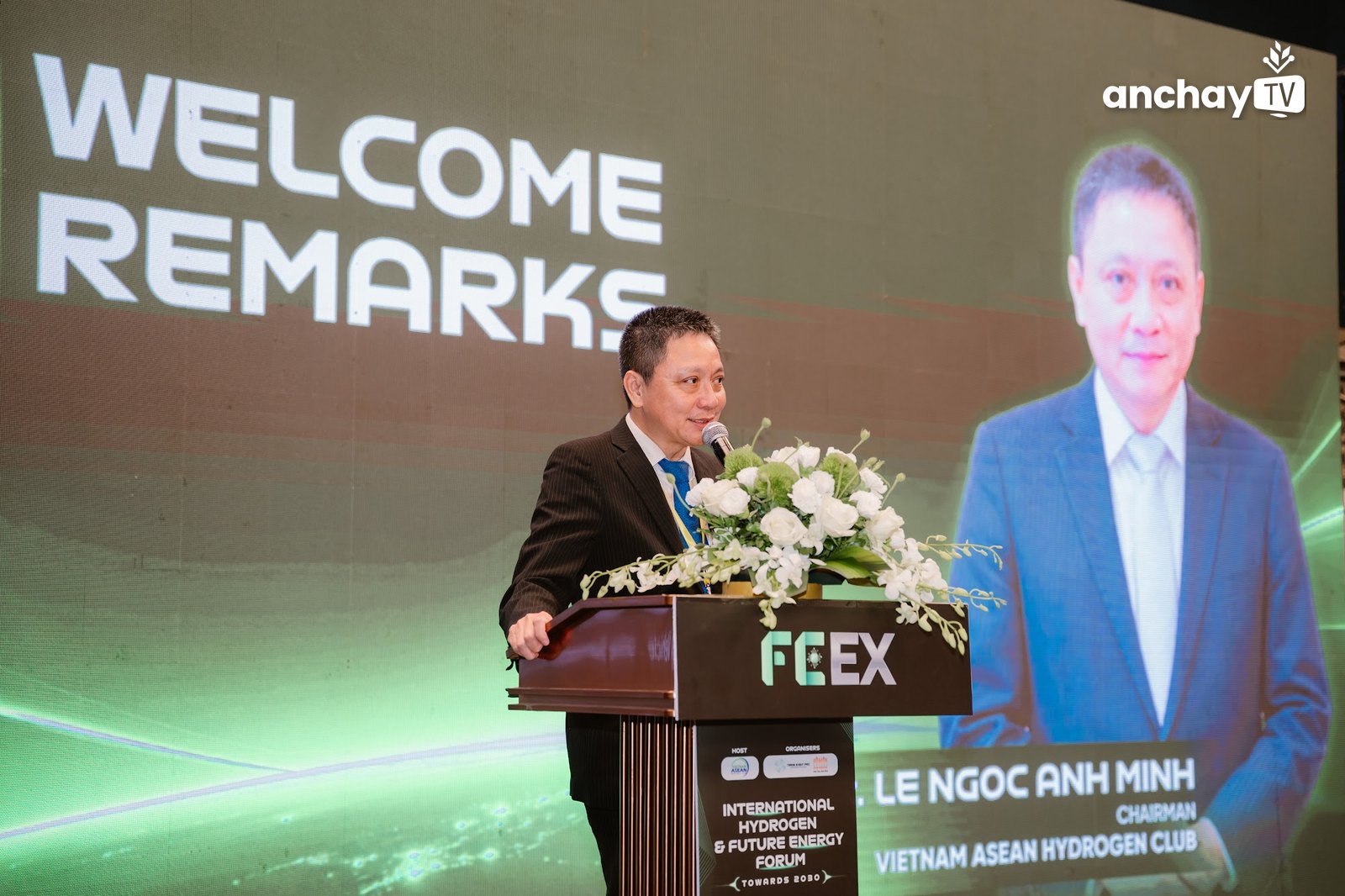
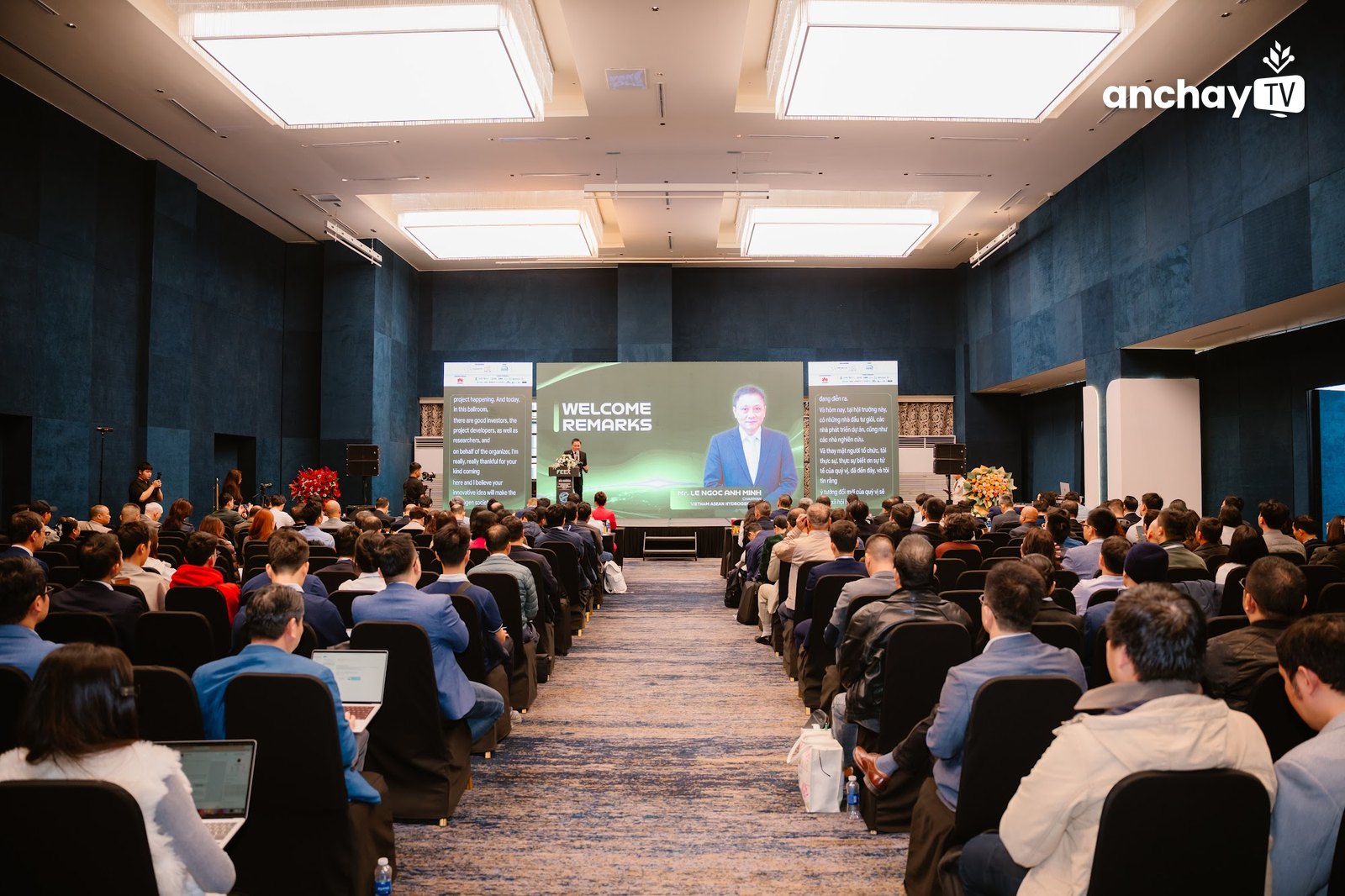
The programme opened with the MC introducing representatives of the host and the organisers, guests from Vietnam and abroad, and the speakers. Each stood to greet the hall; Mr. Lê Ngọc Ánh Minh, Chairman of VAHC, raised both arms high.
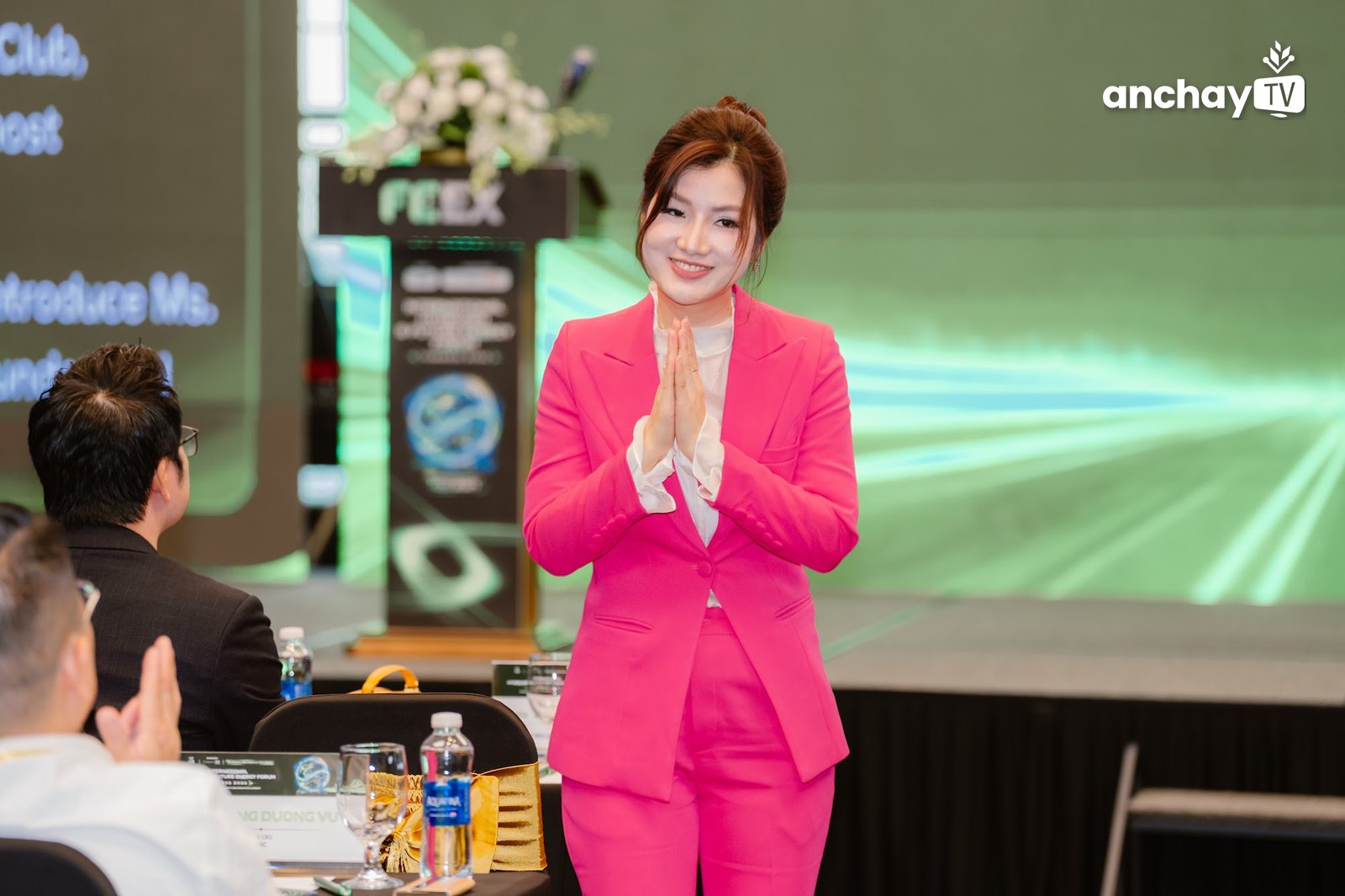
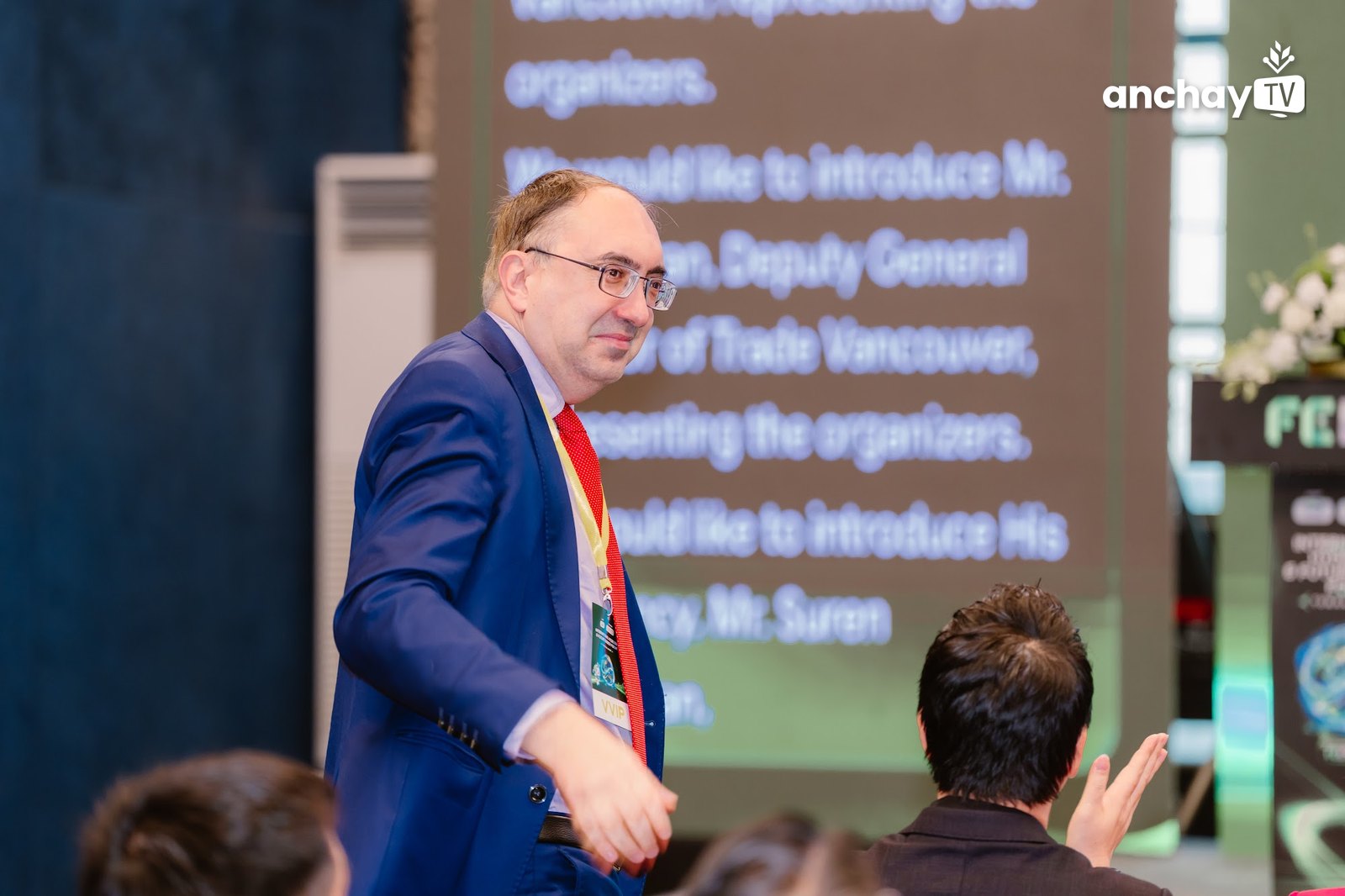
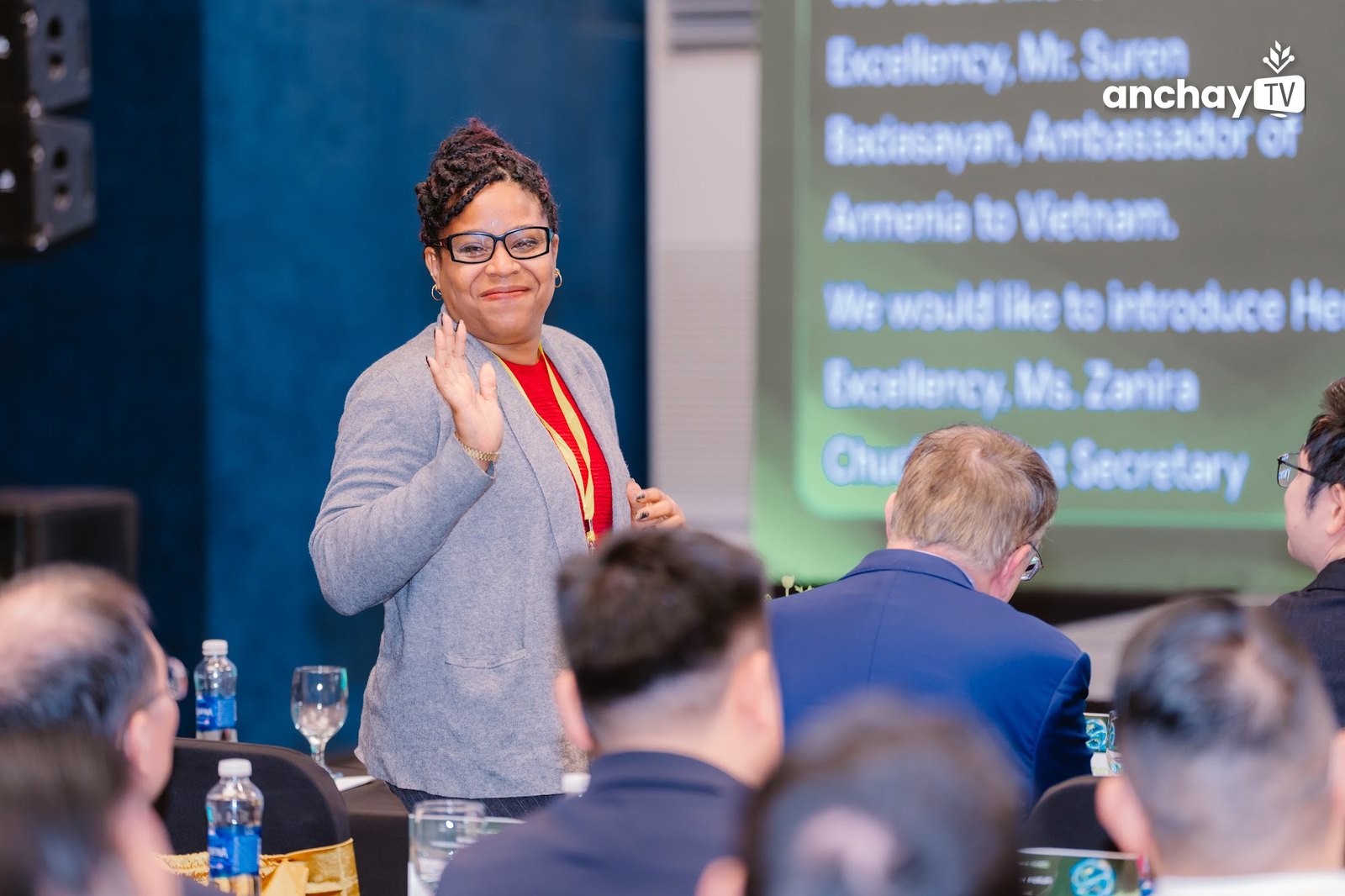
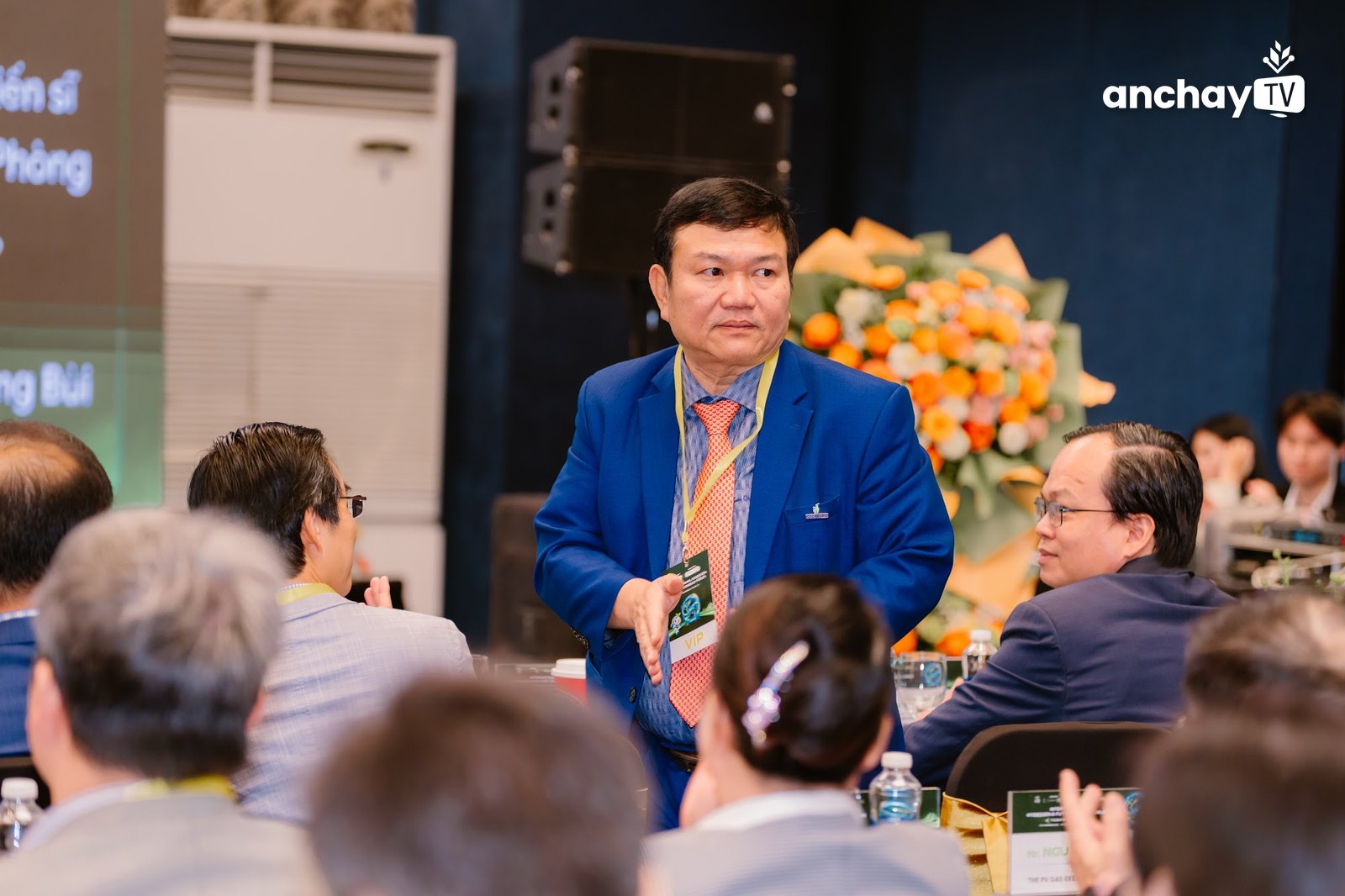
In his welcome remarks, Mr. Lê Ngọc Ánh Minh, Chairman of VAHC, observed that when people talk about clean transport they think first of electric cars, while hydrogen vehicles have not received the attention they deserve. Many hydrogen projects launched in Europe around five years ago have since closed, he said, while Asia, especially China and Southeast Asia, has made notable progress. In Vietnam there are still few projects, most of them at the planning stage; VAHC is helping its partners and members turn projects into reality.
Mr. Minh also gave some figures: Vietnam consumes about 500,000–700,000 tonnes of hydrogen a year, mostly conventional hydrogen; of the roughly 100 million tonnes produced worldwide each year, low-emission hydrogen accounts for only about 1%. Electricity makes up 60–70% of the cost of producing hydrogen by electrolysis, so input power must cost less than USD 0.03/kWh for green hydrogen to compete; while the price stays high, customers are not yet ready to buy.
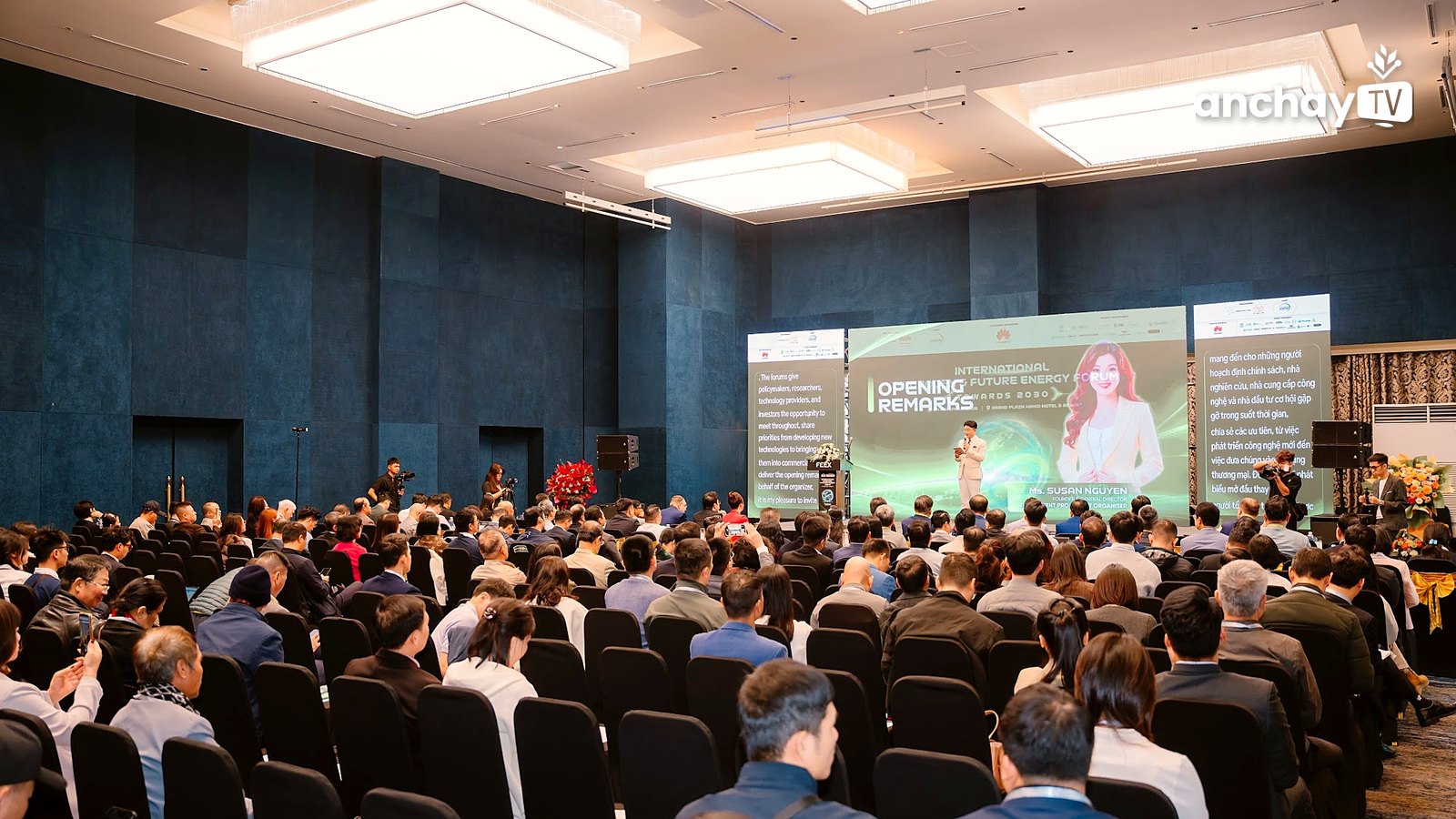
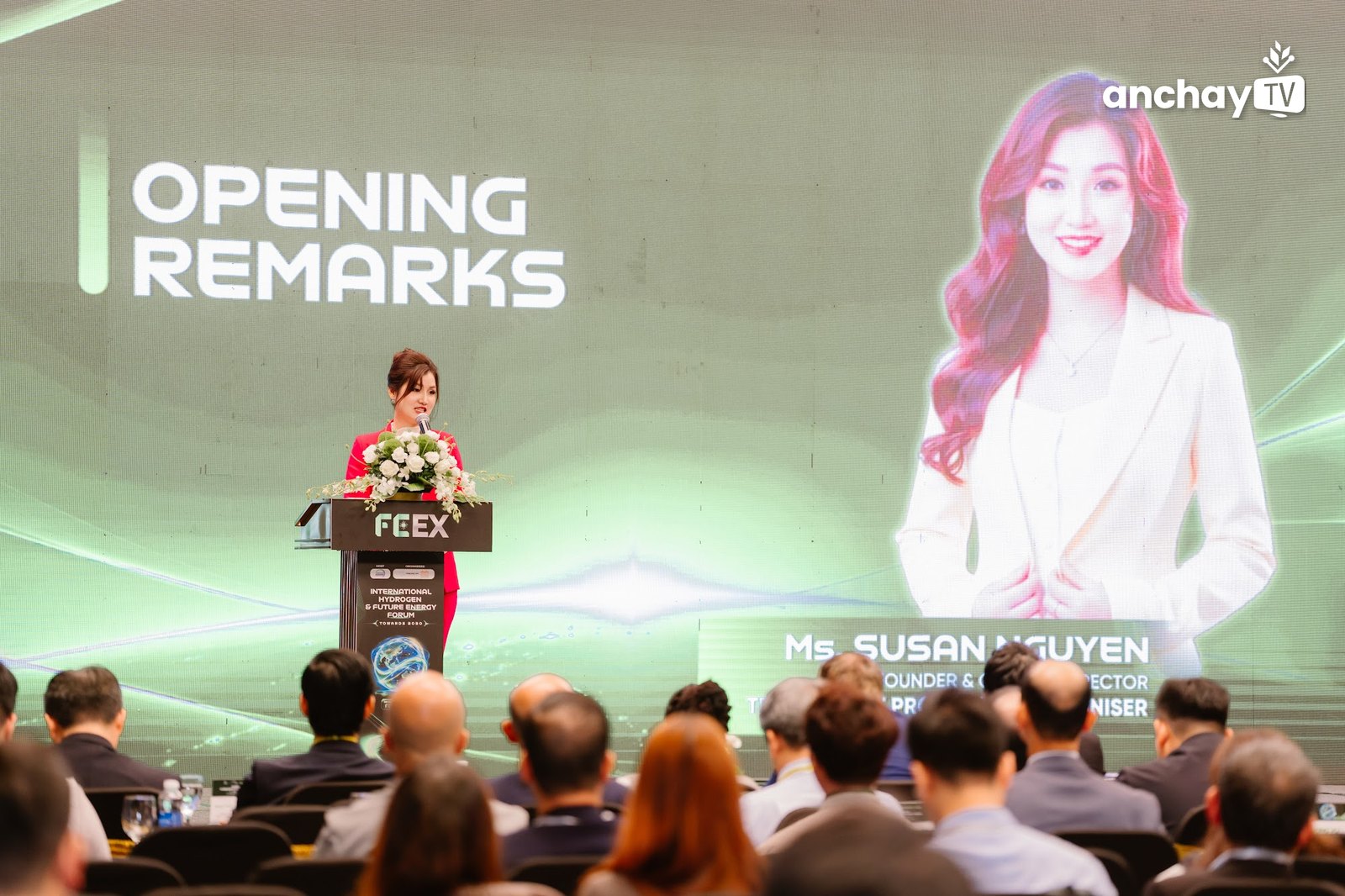
Opening the forum on behalf of the organisers, Ms. Susan Nguyễn, Founder and General Director of Trade Event Pro, said the forum is part of the Future Energy Expo & Conference, FEEX 2027, to be held in Hanoi on 13–15 May 2027.
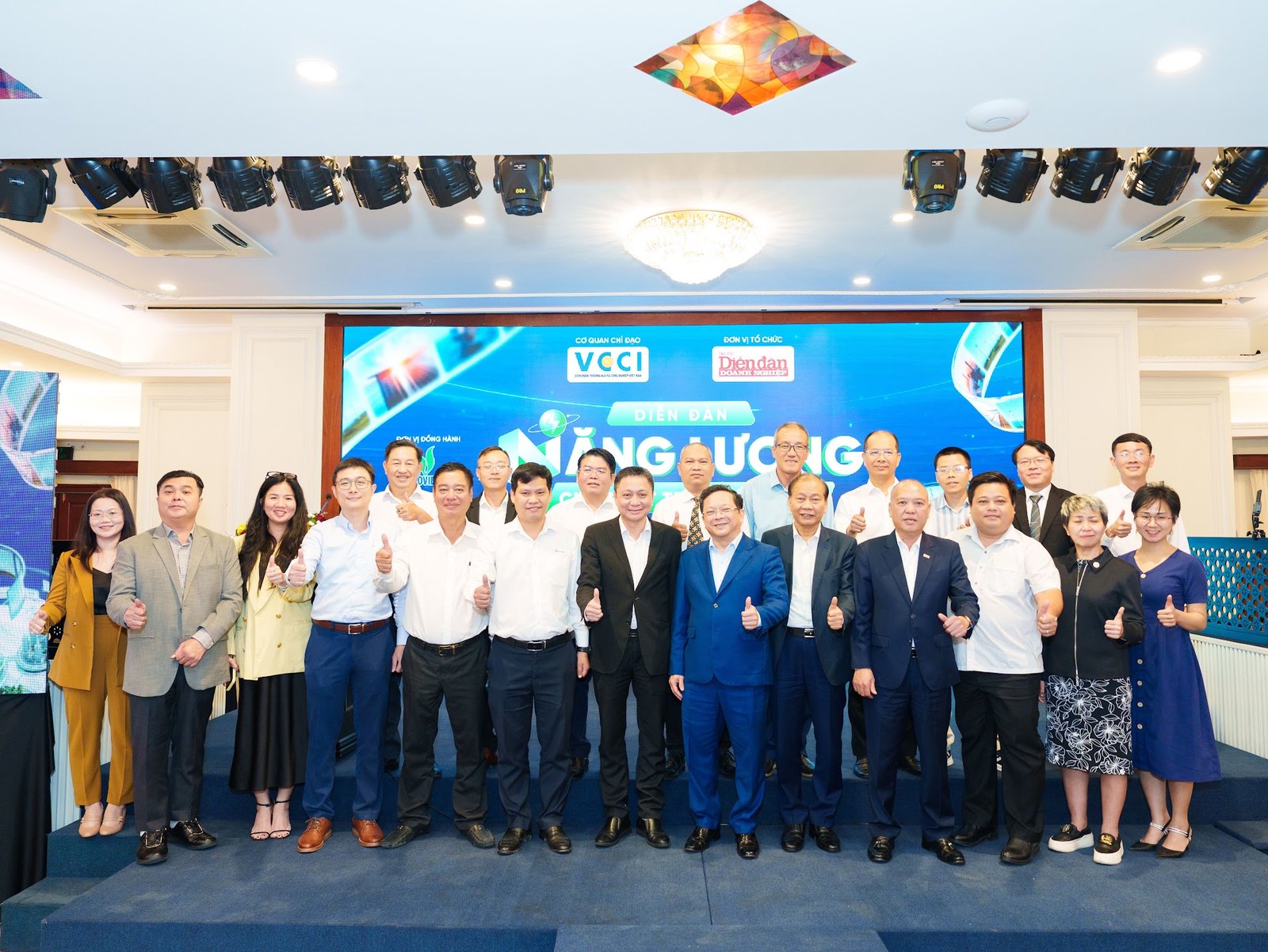
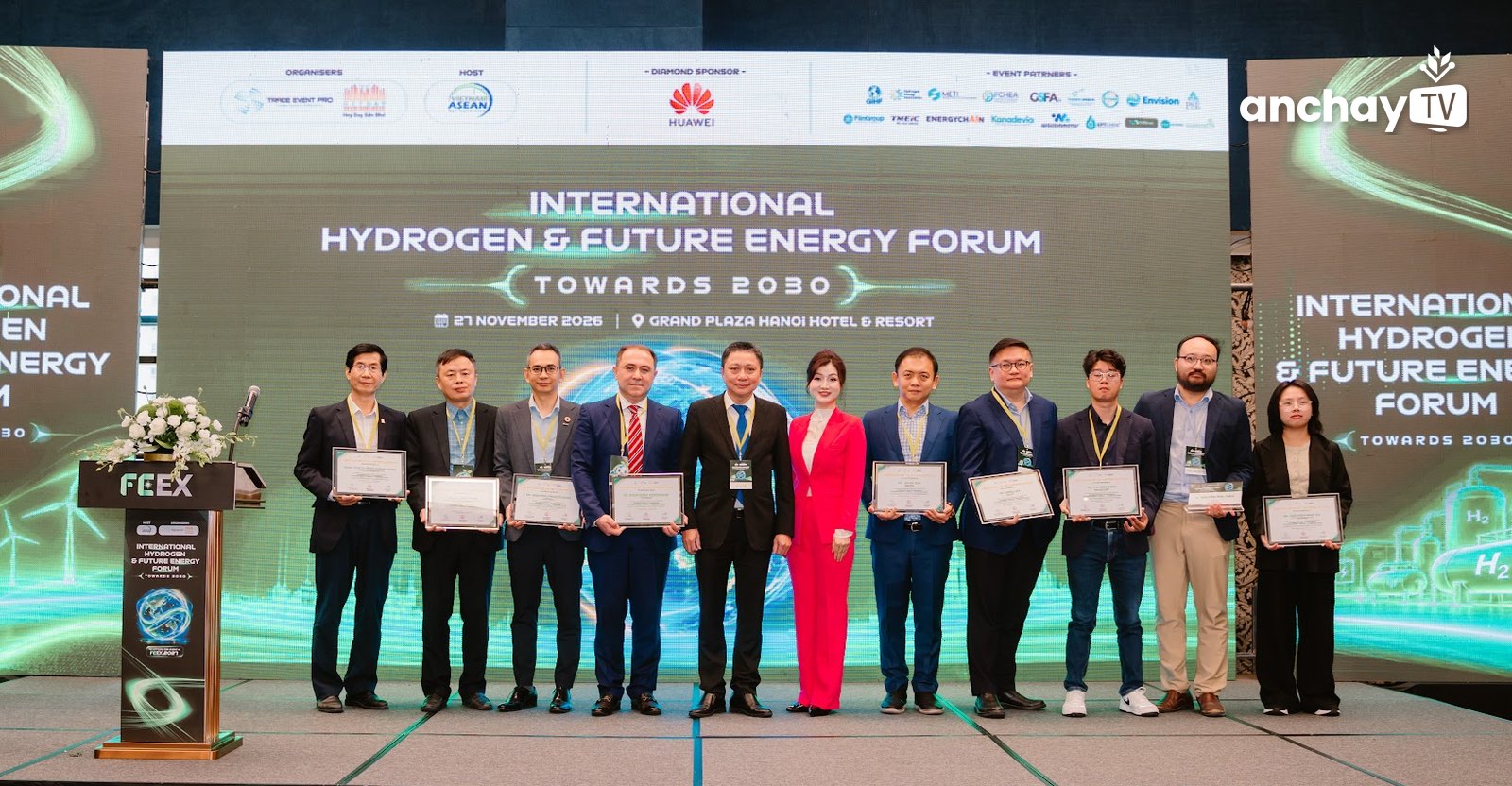
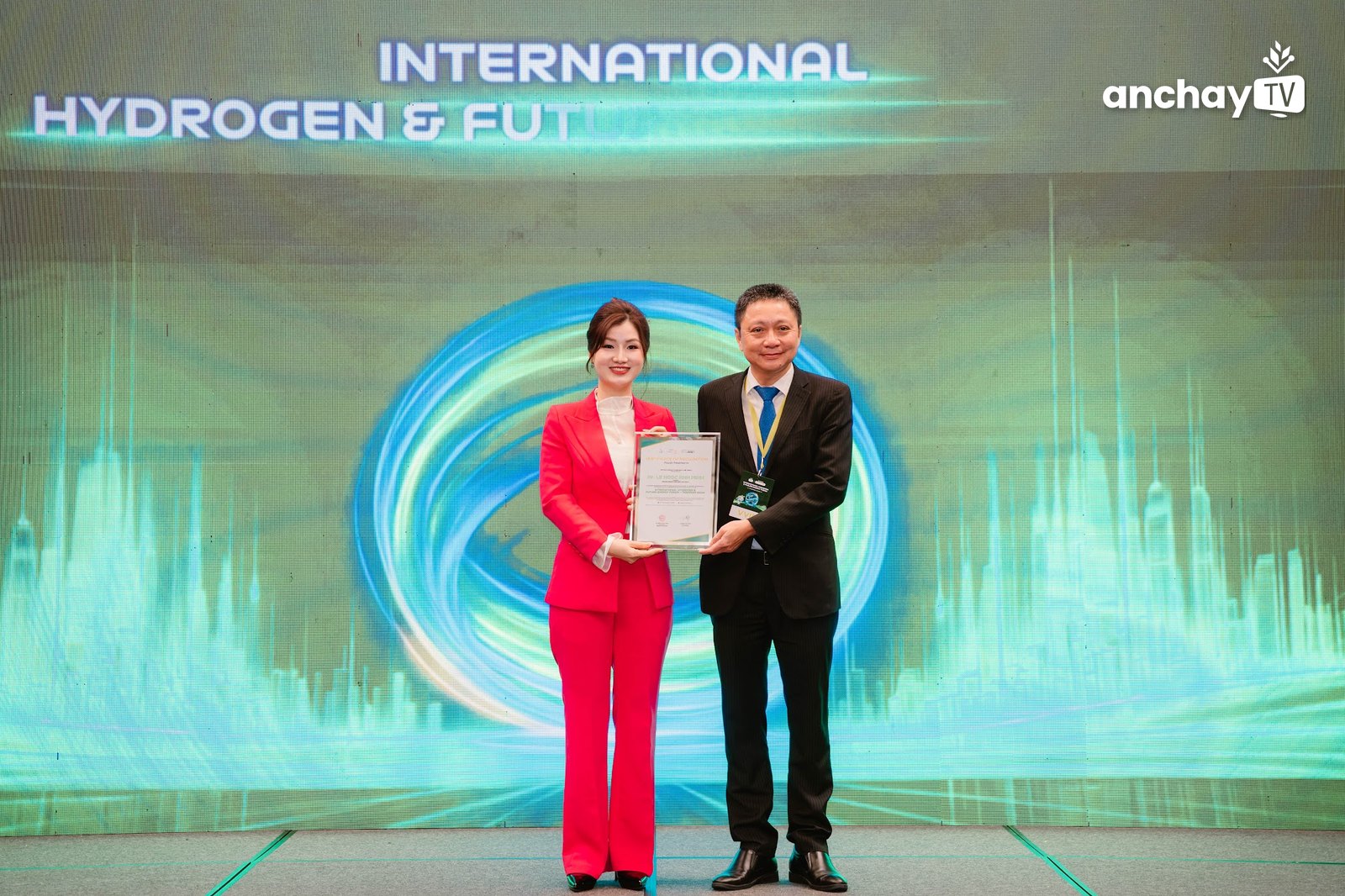
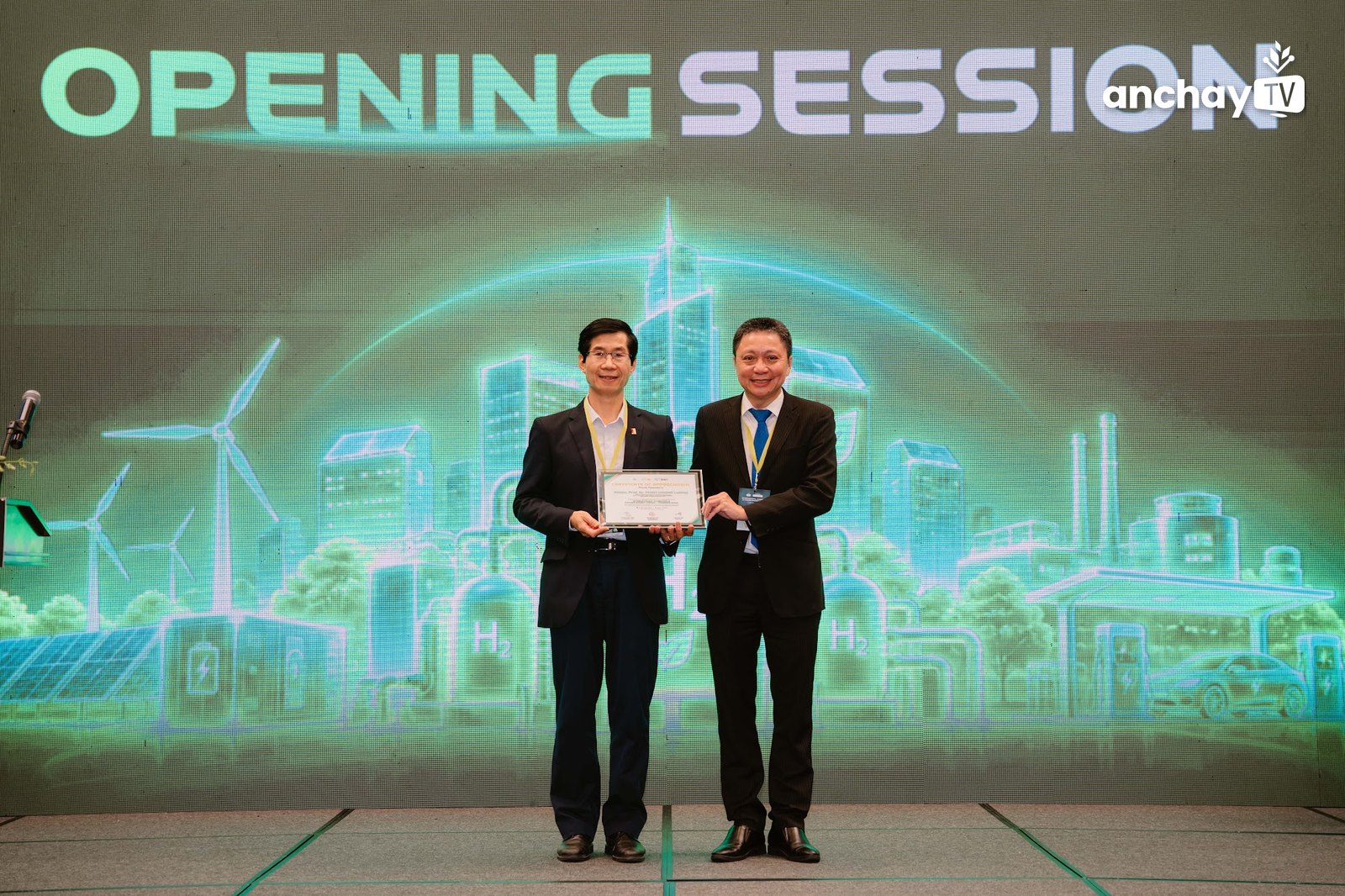
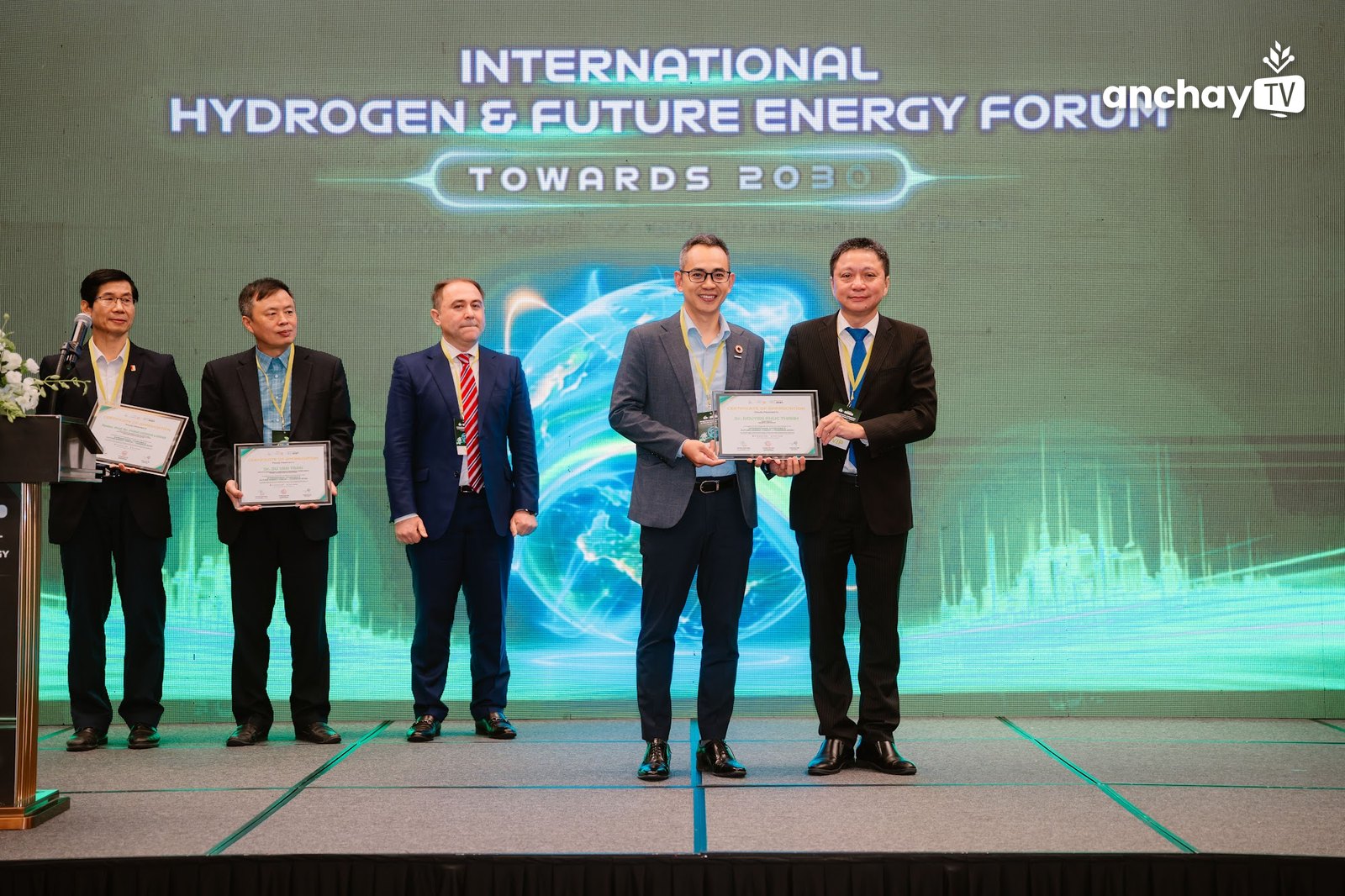
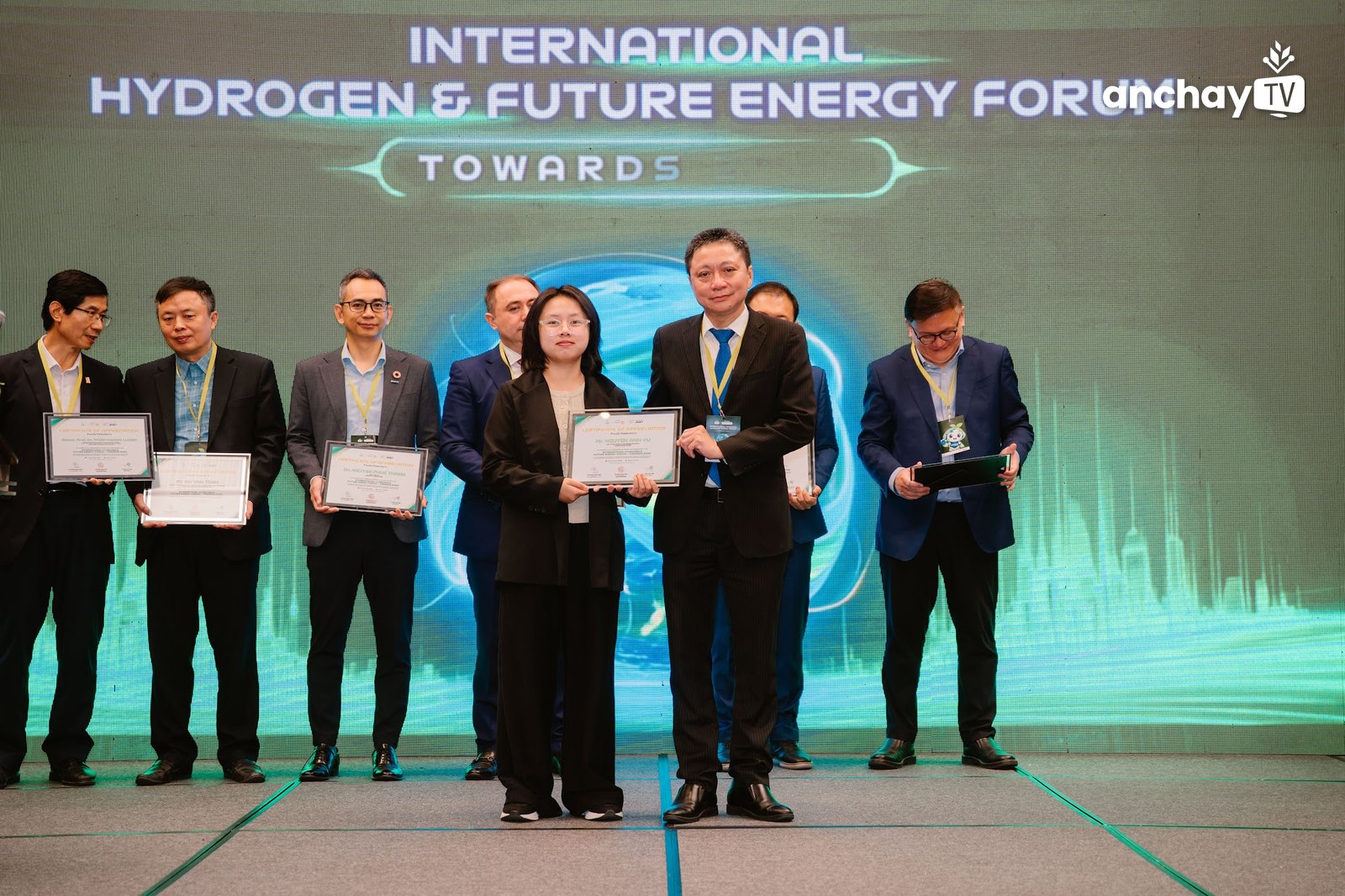
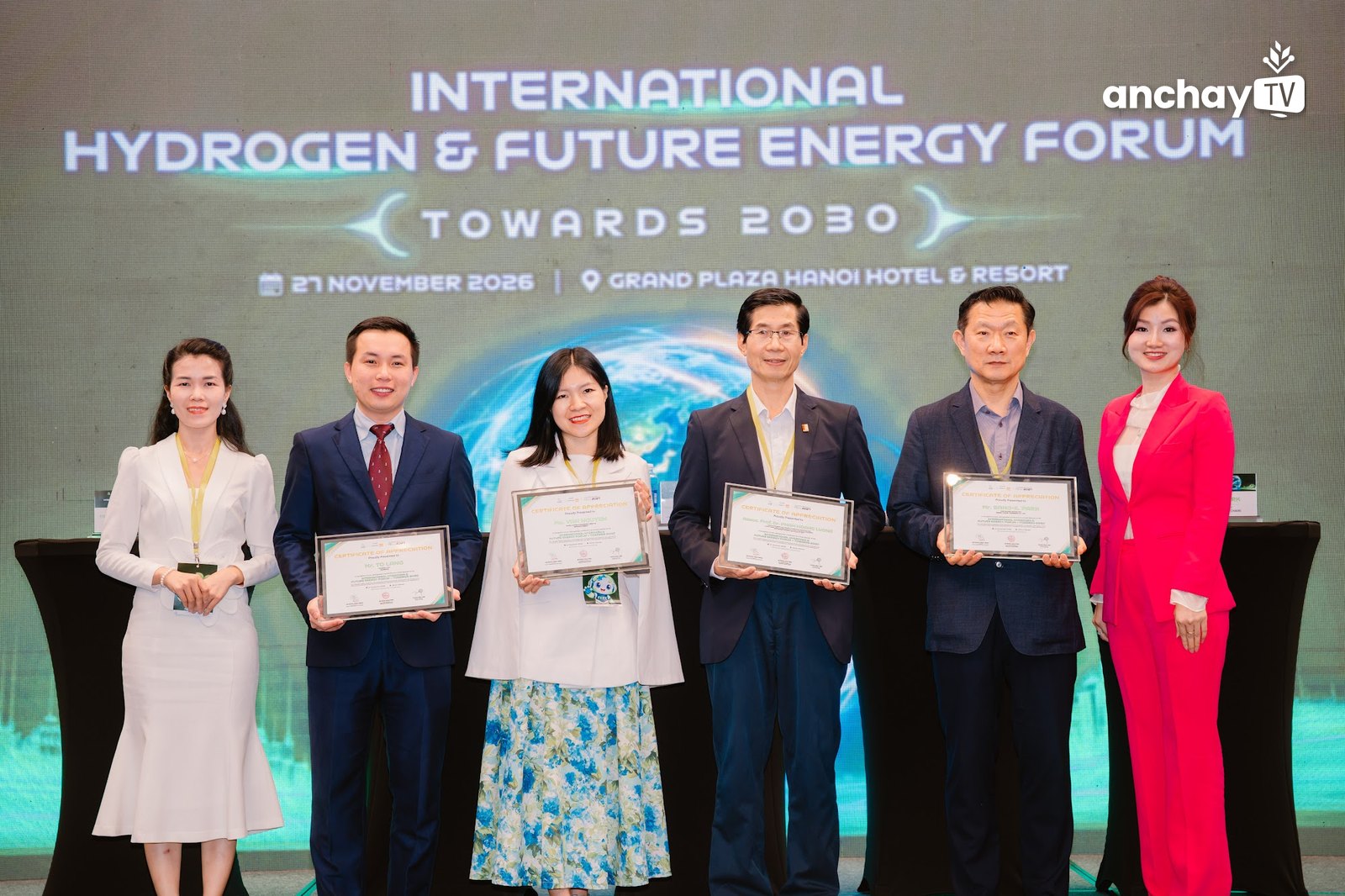
After the opening, at the MC’s invitation, Mr. Lê Ngọc Ánh Minh stayed on stage to join Ms. Susan Nguyễn in presenting certificates of appreciation to the speakers and roundtable participants. The recipients came up one by one and stayed on, forming a long line in front of the forum backdrop.
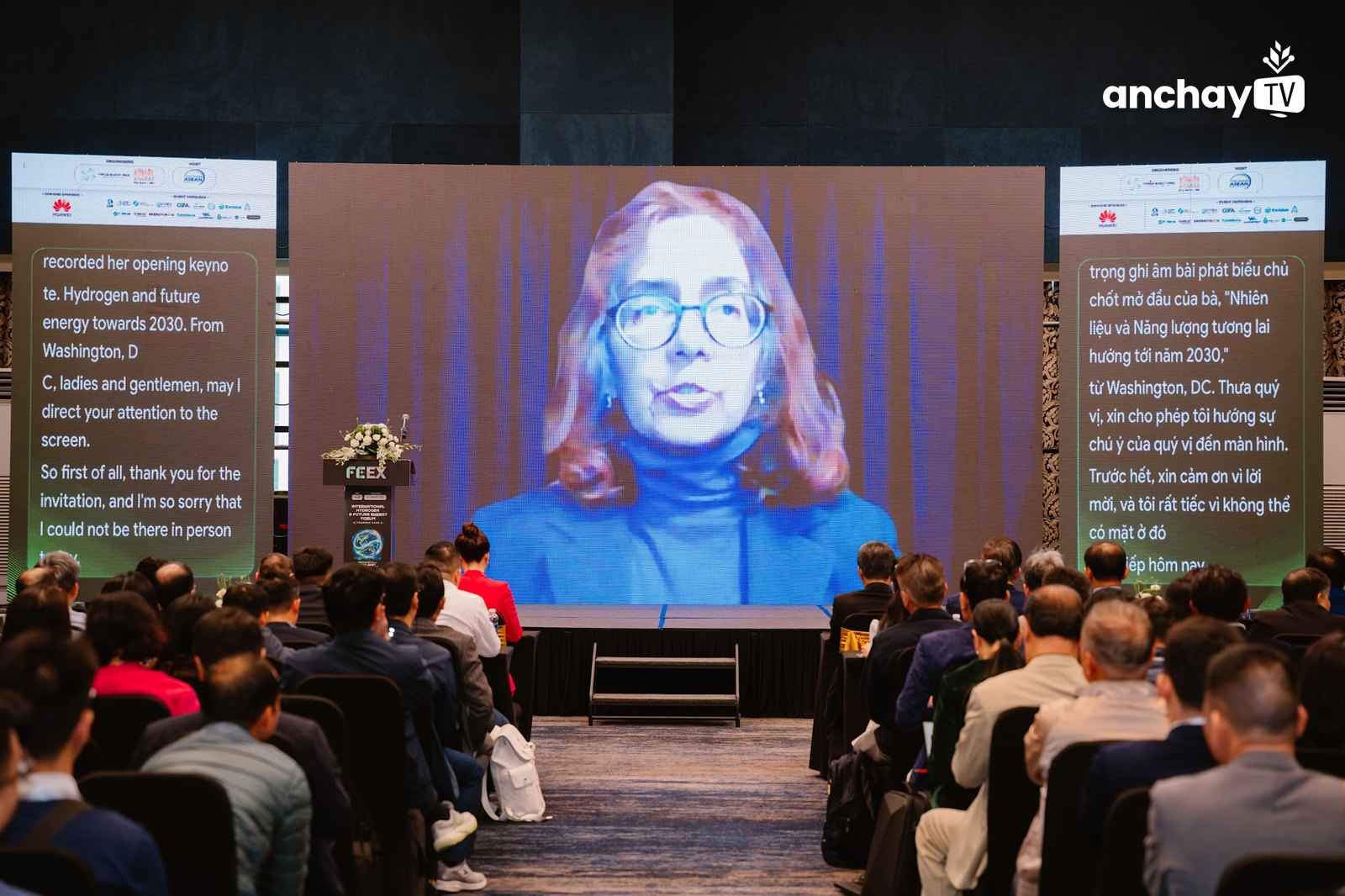
The keynote, “Hydrogen & Future Energy – Towards 2030”, was recorded in Washington, D.C. by Dr. Sunita Satyapal, President of the Global Institute for Hydrogen and Fuel Cells (GIHF) and former Director of the Hydrogen and Fuel Cell Technologies Office at the U.S. Department of Energy. She began with climate data, then set out some milestones: in 2024 renewable power in the United States overtook coal for the first time, while Asia-Pacific still relies heavily on fossil fuels; about USD 130 billion of investment has been committed worldwide to hydrogen and fuel cells; the United States produces about 10 million tonnes of hydrogen a year. She also introduced GIHF as an independent, neutral organisation.
Session I: the hydrogen economy towards 2030
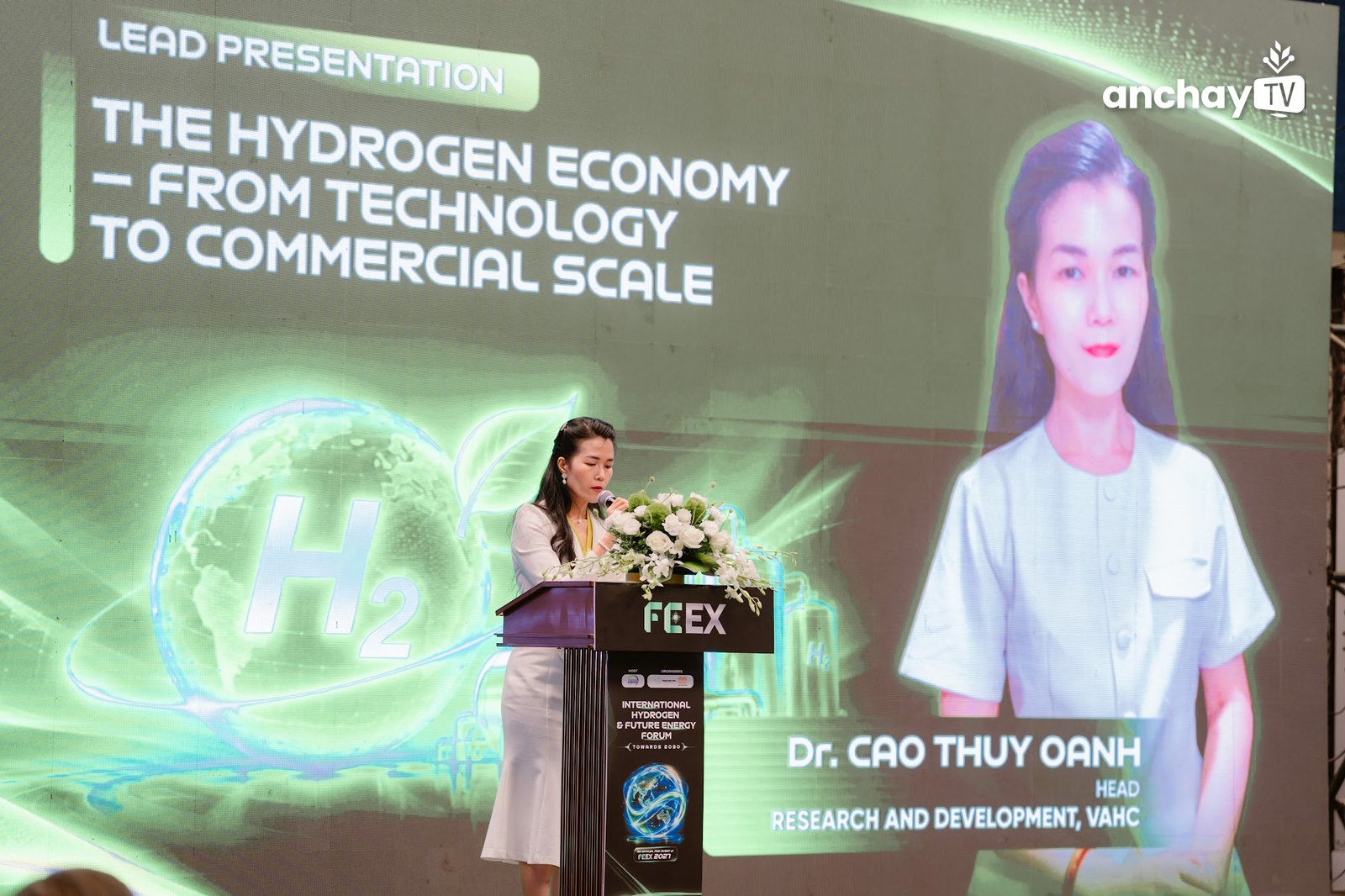
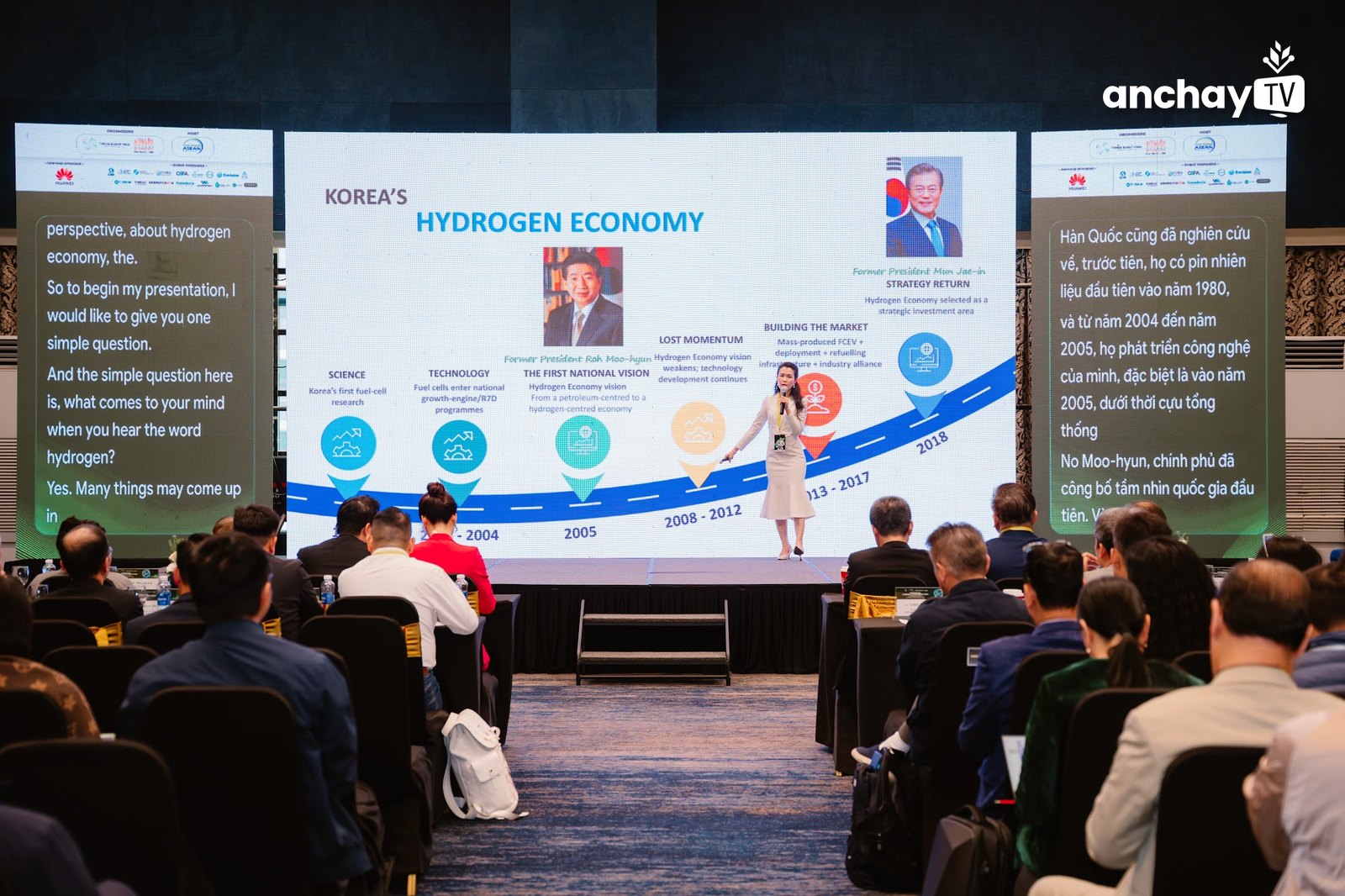
Opening the first session, Dr. Cao Thùy Oanh, Vice Chairman and Head of Research and Development at VAHC, gave the lead presentation, “The Hydrogen Economy – From Technology to Commercial Scale”. She asked the audience what comes to mind when they hear the word hydrogen, then retraced Korea’s path: from its first fuel-cell research to the first national hydrogen economy vision in 2005 under President Roh Moo-hyun; in 2008–2012 that vision weakened while technology development continued; in 2013–2017 the market was built with mass-produced fuel-cell vehicles, refuelling infrastructure and an industry alliance; and in 2018, under President Moon Jae-in, the hydrogen economy was chosen as a strategic investment area.
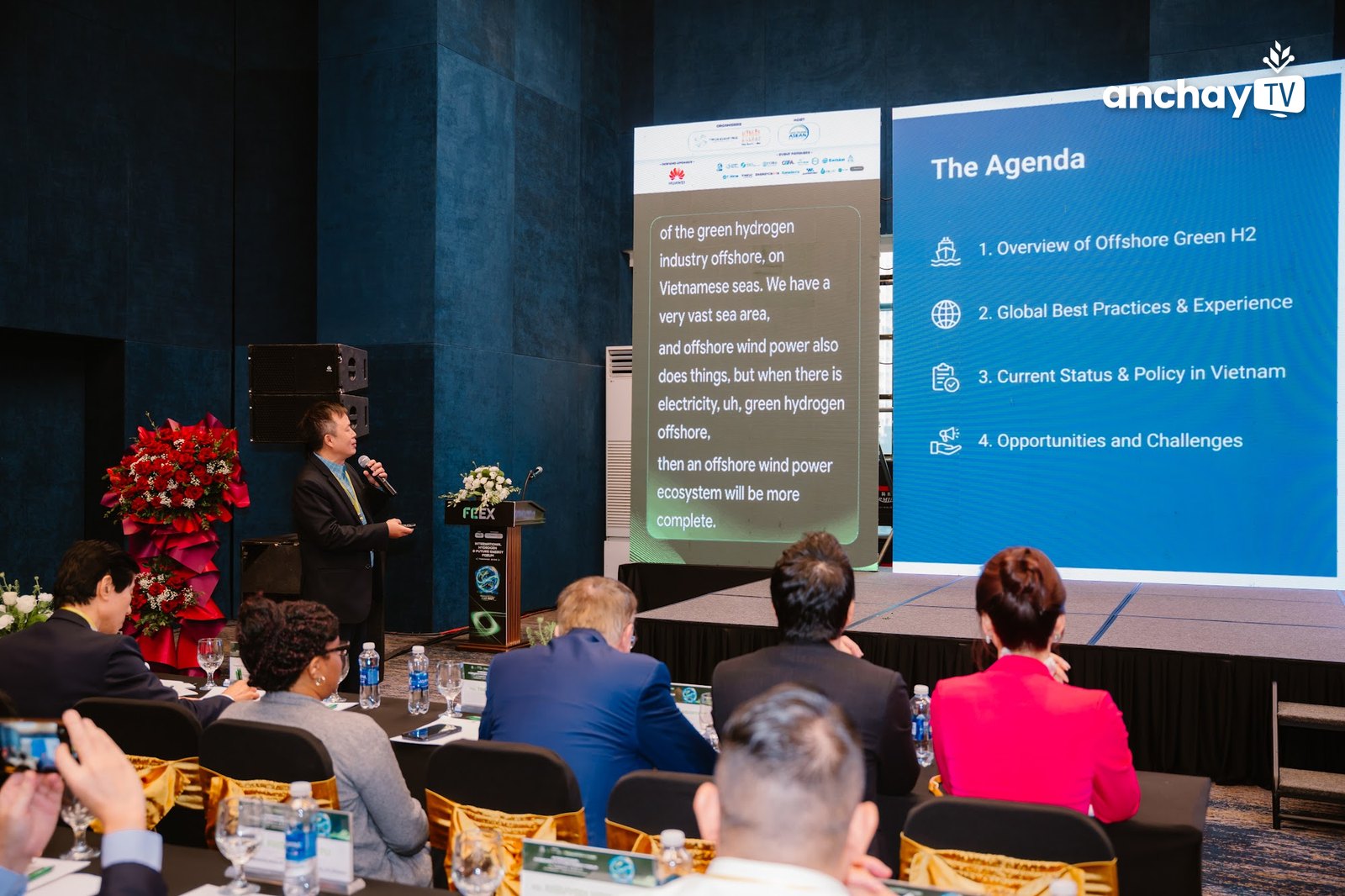
Dr. Dư Văn Toán of the Institute of Meteorological, Hydrological, Environmental and Marine Sciences (Ministry of Agriculture and Environment) spoke about offshore hydrogen in Vietnam. He put the technical potential of Vietnam’s offshore wind at about 600 GW. His comparison set out three advantages of producing green hydrogen offshore: strong, steady deep-sea winds that give high capacity factors around the clock; virtually unlimited sea space with no competition for farm or residential land; and bringing the gas ashore through subsea pipelines, at about £1 million per kilometre, cheaper than high-voltage direct-current subsea cables (more than £3 million per kilometre) and independent of the grid. He proposed pilot projects of 10–100 MW combining offshore wind with hydrogen production, opening the way to export hydrogen and ammonia to Japan, Korea and Europe.
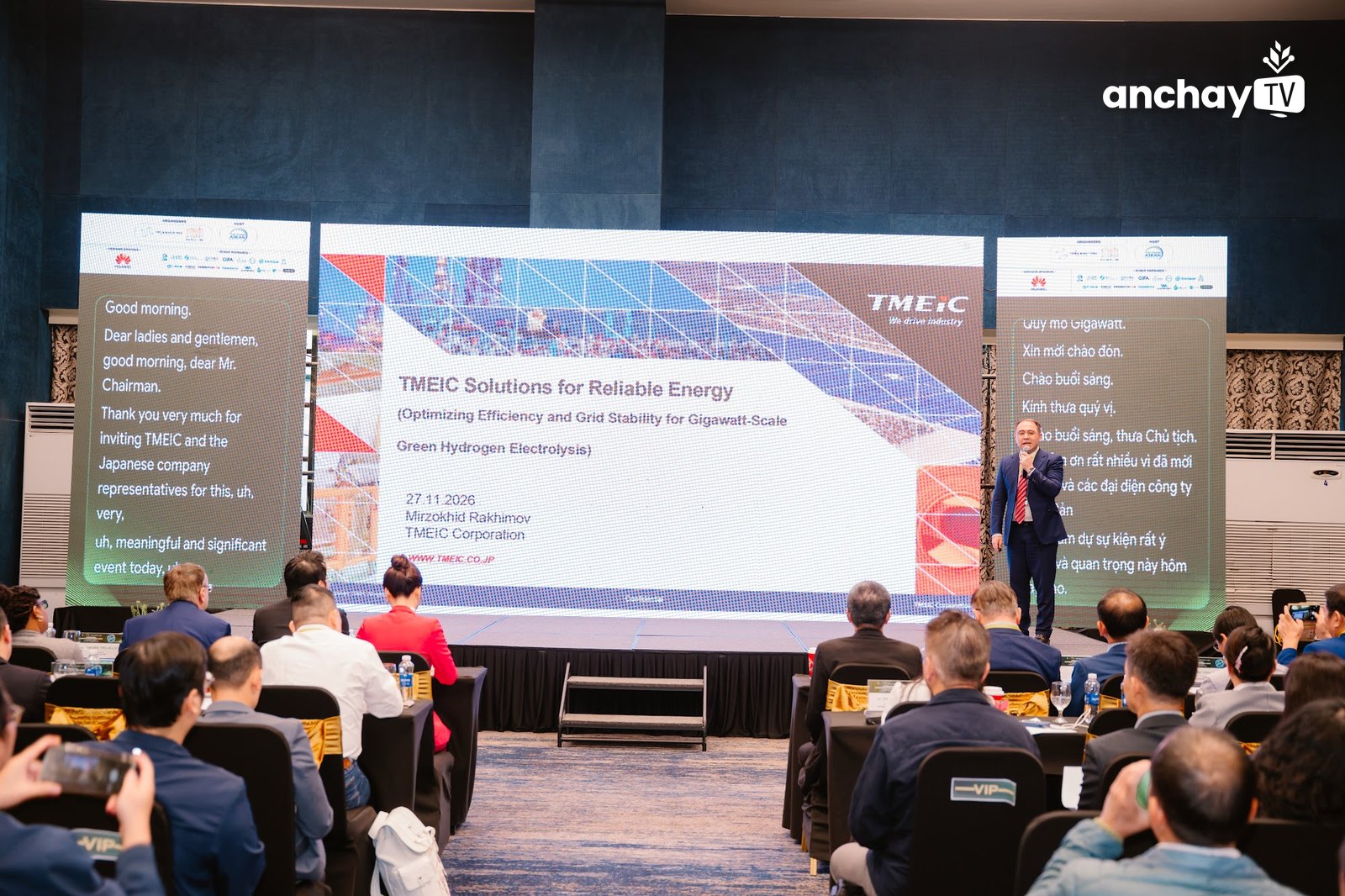
Mr. Rakhimov Mirzokhid, Business Development Manager at TMEIC Corporation (Japan), presented ways to optimise efficiency and grid stability for gigawatt-scale green hydrogen electrolysis. His slides separated grey, blue and green hydrogen by how they are made, and stressed that green hydrogen puts to use the surplus power that large-scale renewables generate. He named Europe, India and China as the key markets, and called Vietnam a new market with strong prospects, with a target of 100,000–500,000 tonnes of hydrogen a year by 2030 under the national Hydrogen Energy Development Strategy (Decision 165/QĐ-TTg).
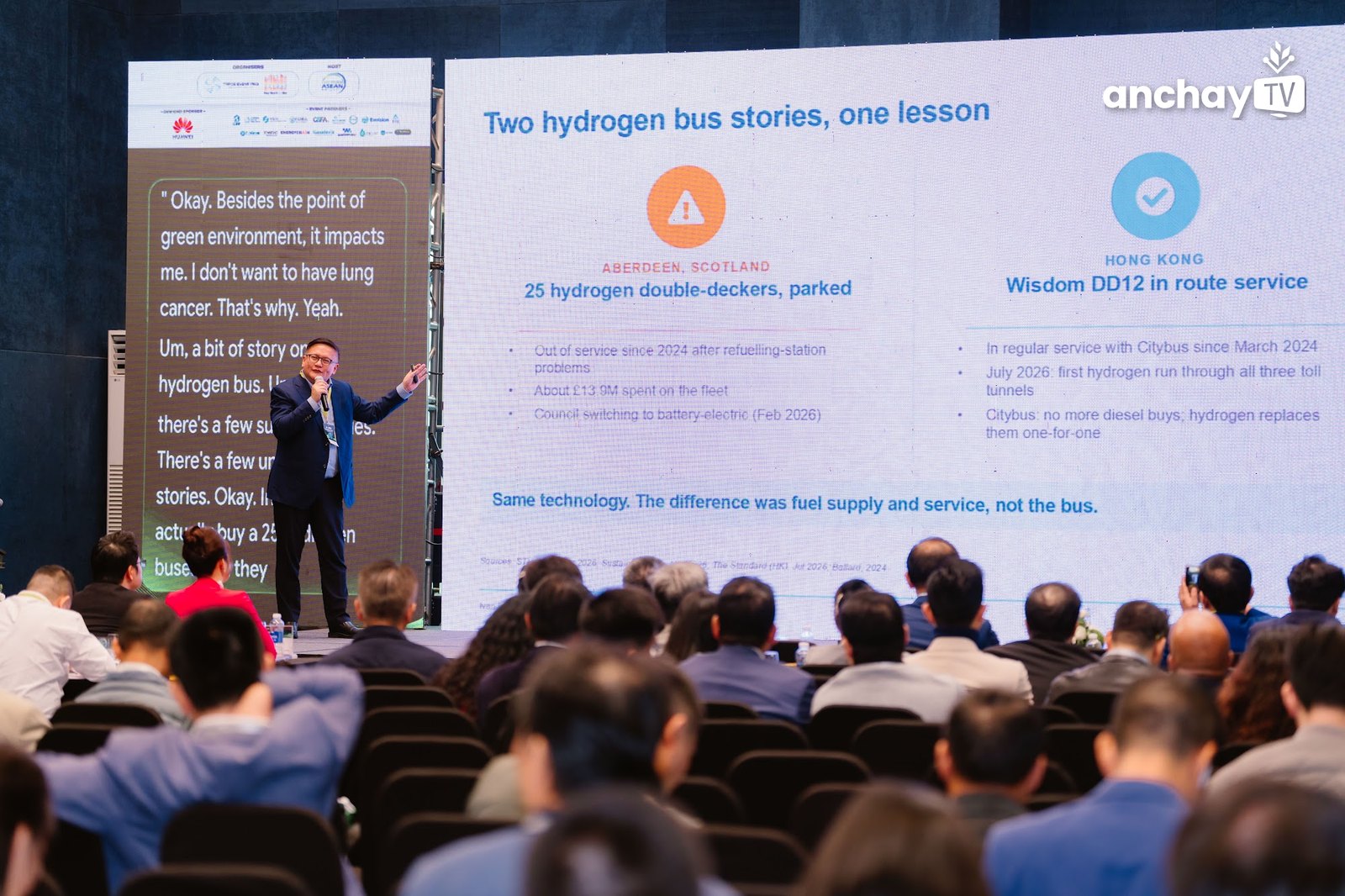
Mr. Ivan Lim, Executive Director of Wisdom Motor and head of VAHC’s Singapore desk, told two hydrogen bus stories. In Aberdeen, Scotland, 25 hydrogen double-deckers have been parked since 2024 after problems at the refuelling station, although about £13.9 million had been spent on the fleet, and the city council is switching to battery-electric buses (February 2026). In Hong Kong, the Wisdom DD12 has been in regular service with Citybus since March 2024; Citybus is buying no more diesel buses and is replacing them one-for-one with hydrogen. His lesson: the same technology, with the difference made by fuel supply and service, not by the bus. He suggested matching the energy to the duty cycle: city buses running under about 250 km a day suit batteries; intercity coaches doing 400 km or more a day, multi-shift shuttles, islands and sites with a weak grid suit hydrogen. Wisdom Motor is preparing a hydrogen bus project on Phú Quốc for APEC 2027, starting with 5 buses.
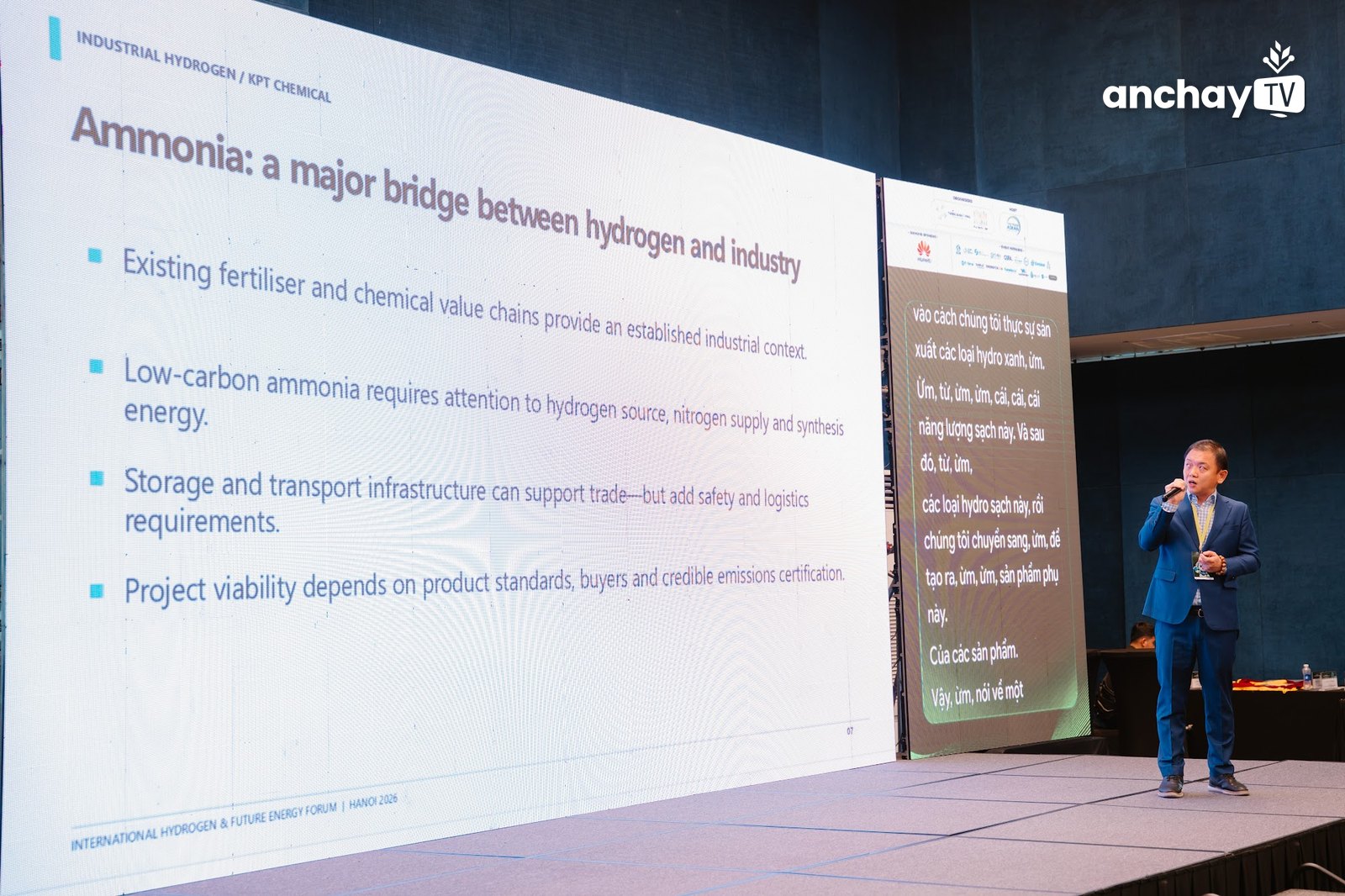
Mr. John Tay of KPT Chemical Group looked at hydrogen from the chemical industry’s side: hydrogen is not only an energy carrier but also a feedstock for ammonia, methanol and refining. The central question, he said, is how hydrogen creates industrial value, through three tasks: find end users with reliable demand and clear product specifications; compare delivered hydrogen cost, carbon intensity and alternatives on a consistent basis; and line up supply, logistics, safety, contracts and financing before scaling up. Ammonia is a major bridge between hydrogen and industry, but projects are viable only with product standards, buyers and credible emissions certification.
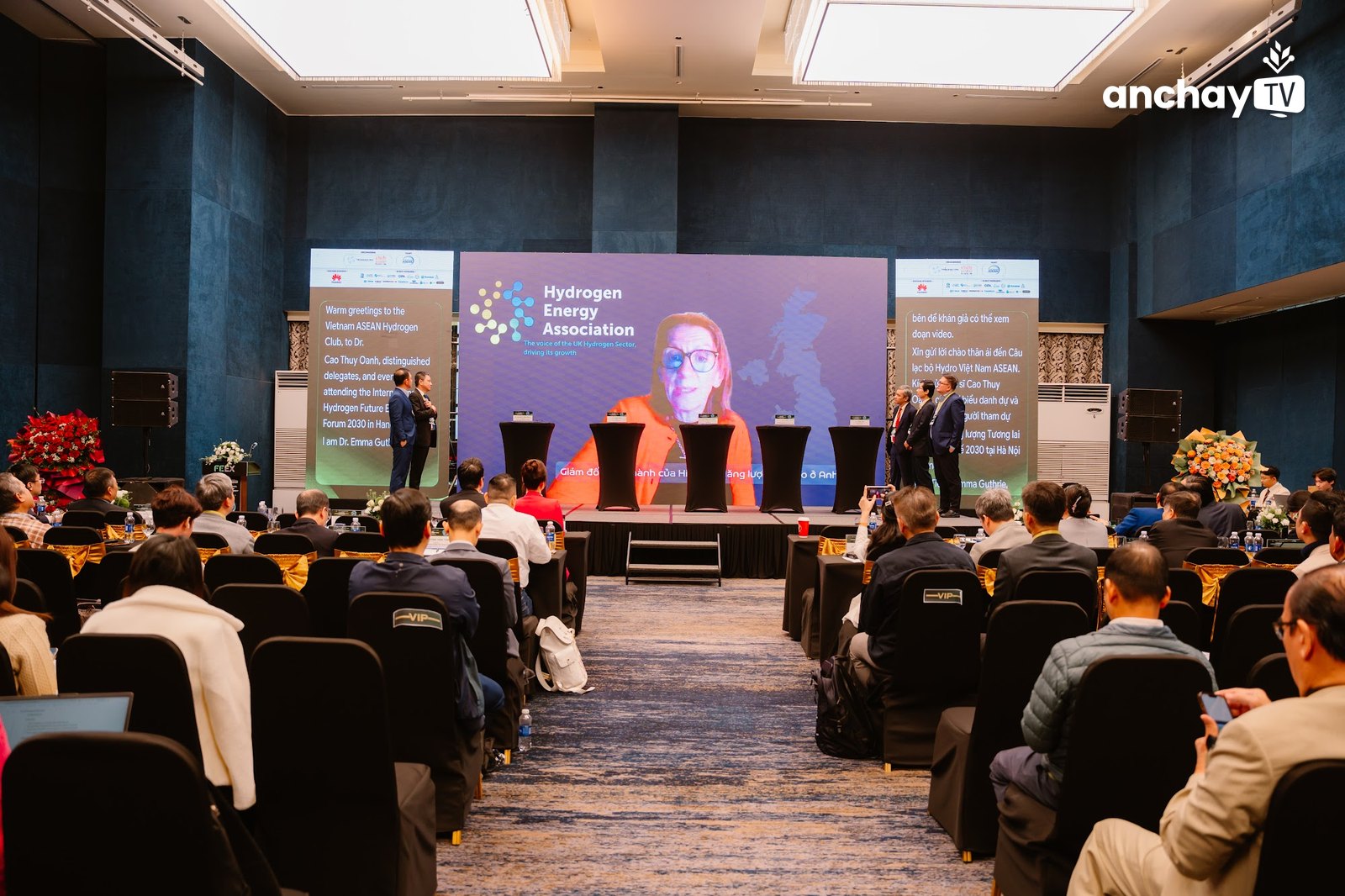
From the United Kingdom, Dr. Emma Guthrie of the Hydrogen Energy Association, which describes itself as the voice of the UK hydrogen sector, sent a video greeting to the Vietnam ASEAN Hydrogen Club, Dr. Cao Thùy Oanh and the delegates.
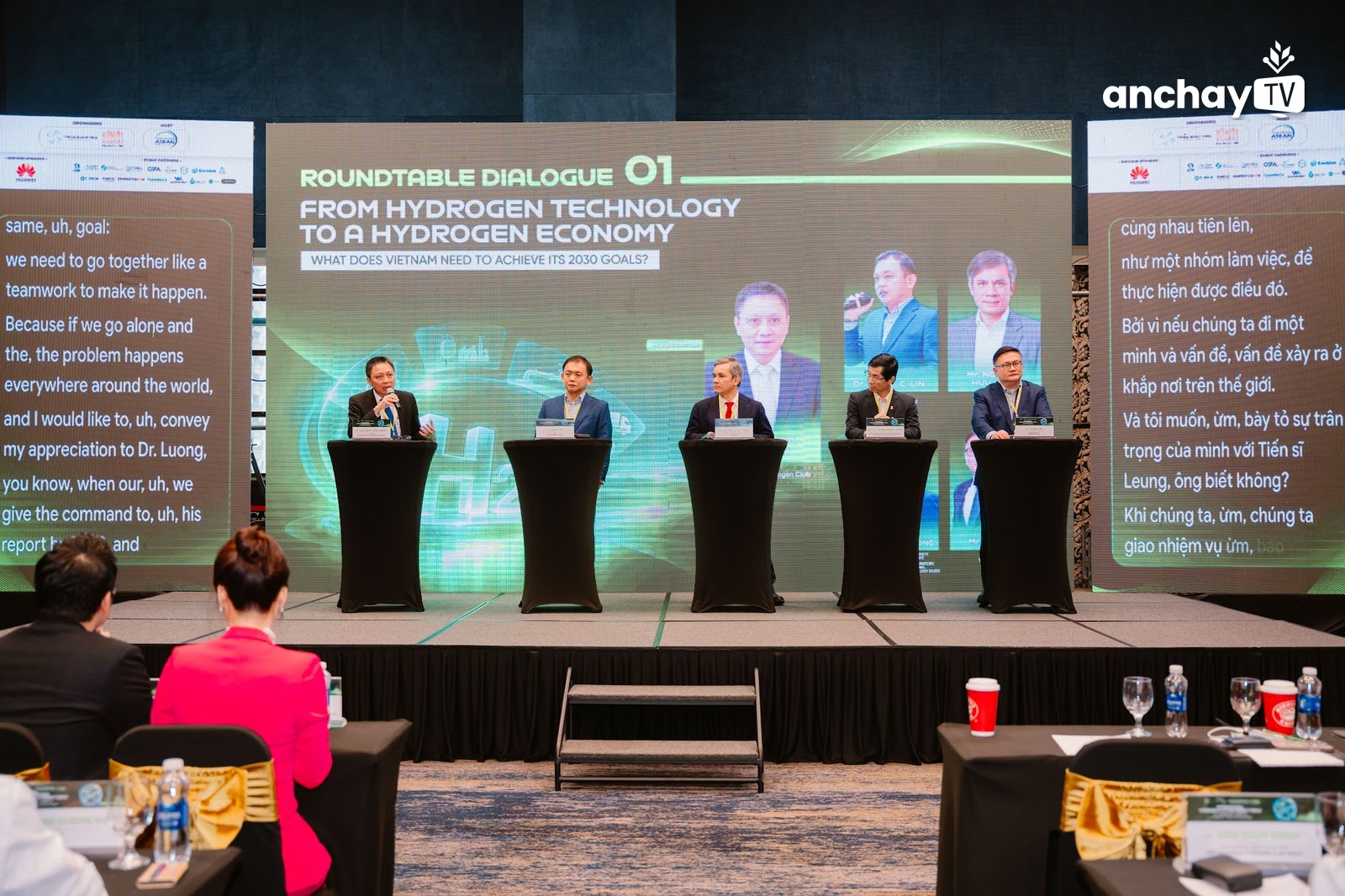
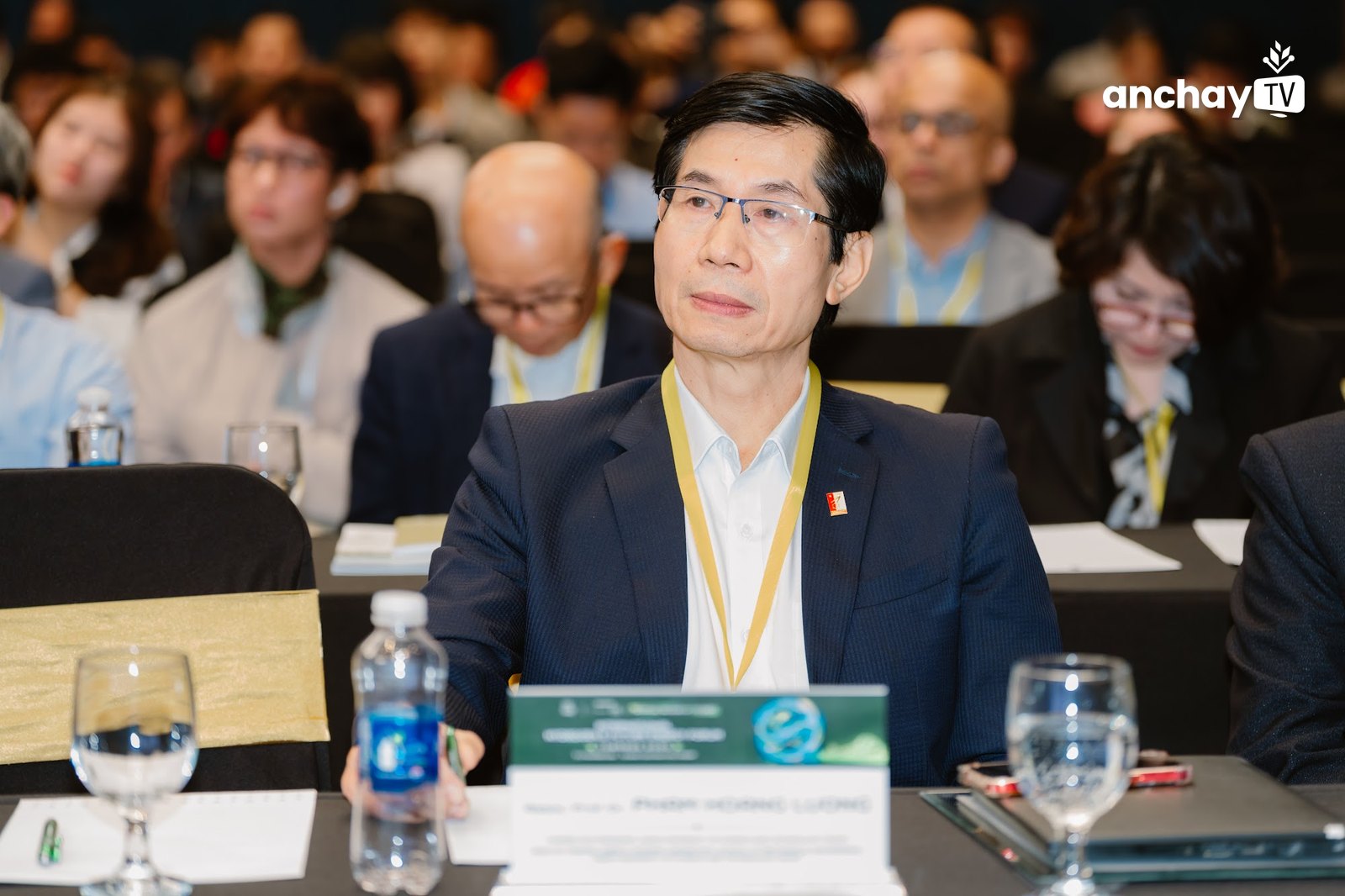
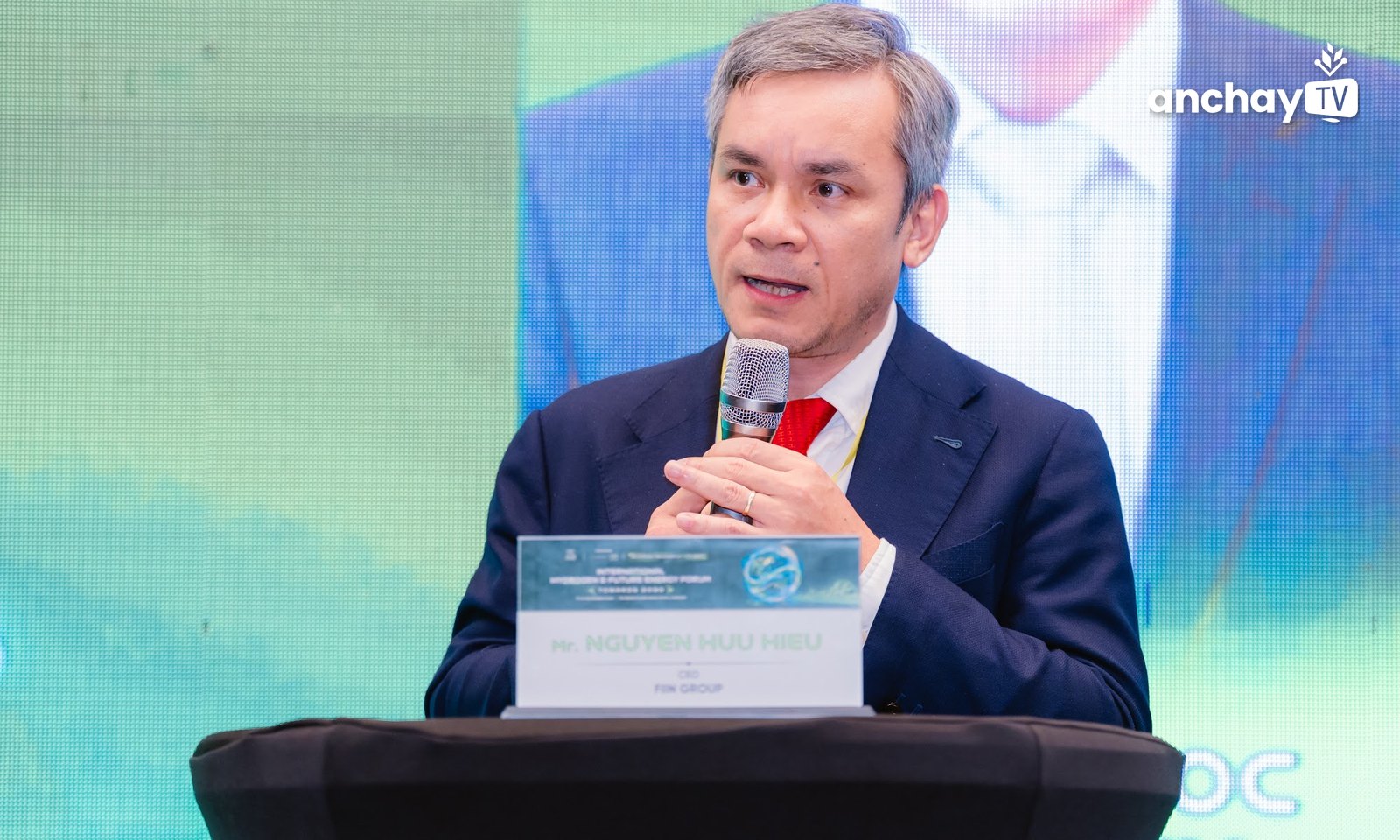
The first roundtable, “From Hydrogen Technology to a Hydrogen Economy: What Does Vietnam Need to Achieve Its 2030 Goals?”, was moderated by Mr. Lê Ngọc Ánh Minh, with Mr. John Tay, Mr. Nguyễn Hữu Hiệu, CEO of FiinGroup, Assoc. Prof. Dr. Phạm Hoàng Lương of the School of Mechanical Engineering, Hanoi University of Science and Technology, and Mr. Ivan Lim. Assoc. Prof. Phạm Hoàng Lương said Vietnam should give priority to three things: standards for low-emission hydrogen, capacity building through technology transfer, and pilot projects. Mr. Nguyễn Hữu Hiệu looked at it from the money side: what matters most is each project’s ability to raise capital, and the lack of long-term offtake commitments is a major obstacle; he suggested starting with industrial clusters that have demand, finding anchor customers, building shared infrastructure and expanding in phases, combined with public-private partnership and green bonds.
Session II: technologies for future energy systems
The afternoon session covered renewable energy, energy storage, smart grids, AI and digital energy. According to the programme, it included an online keynote from Tokyo by Mr. Yasuhiro Kasai, Director of the Hydrogen and Ammonia Division at the Agency for Natural Resources and Energy of Japan’s Ministry of Economy, Trade and Industry (METI), on hydrogen in Japan’s energy transition strategy, and a presentation by Kanadevia Corporation on integrating renewable energy and hydrogen.
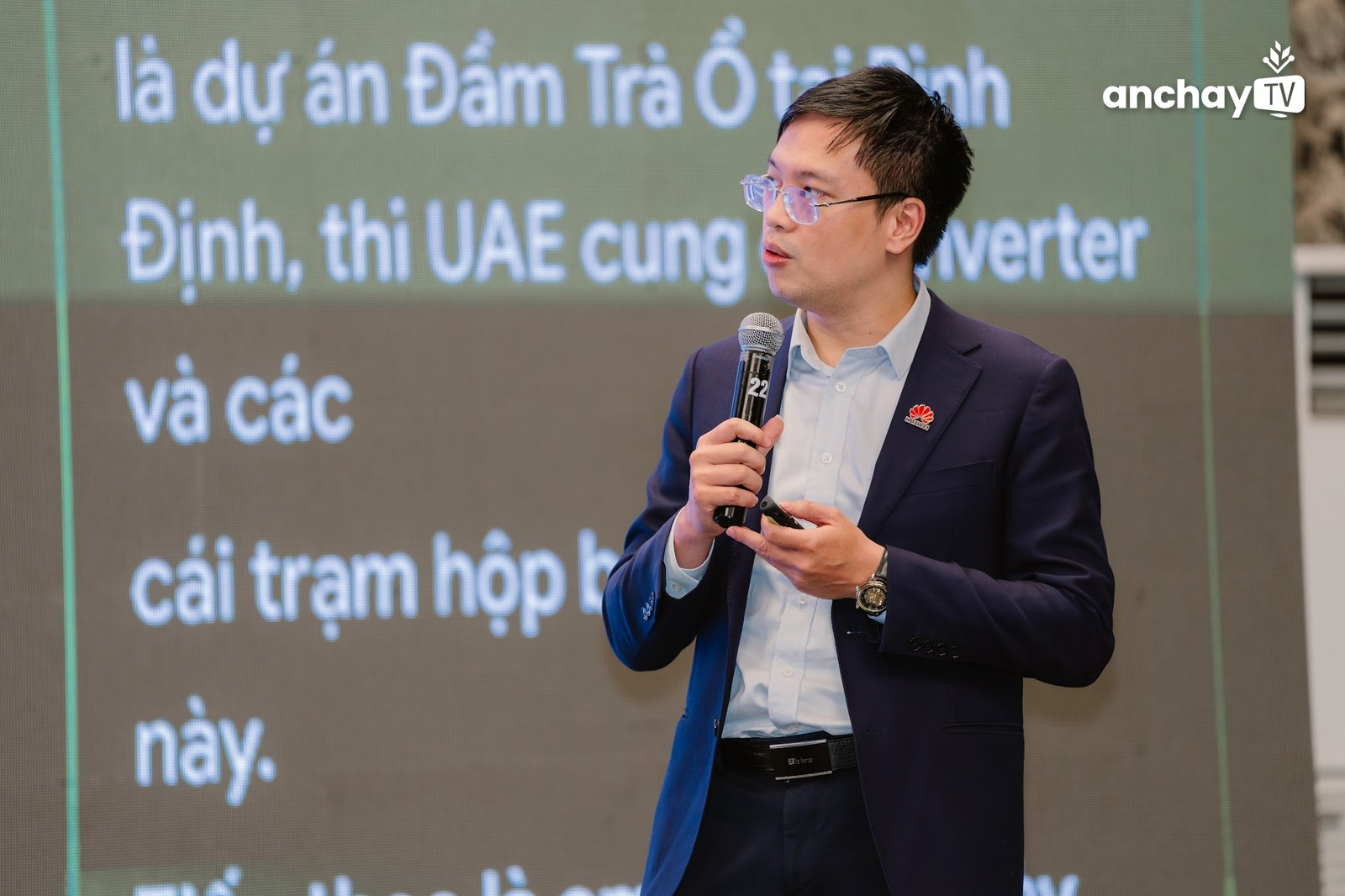
Mr. Nguyễn Anh Vũ, Head of Grid Infrastructure Business Development at Huawei Digital Power, the forum’s diamond sponsor, presented on smart grids, microgrids and intelligent energy management.
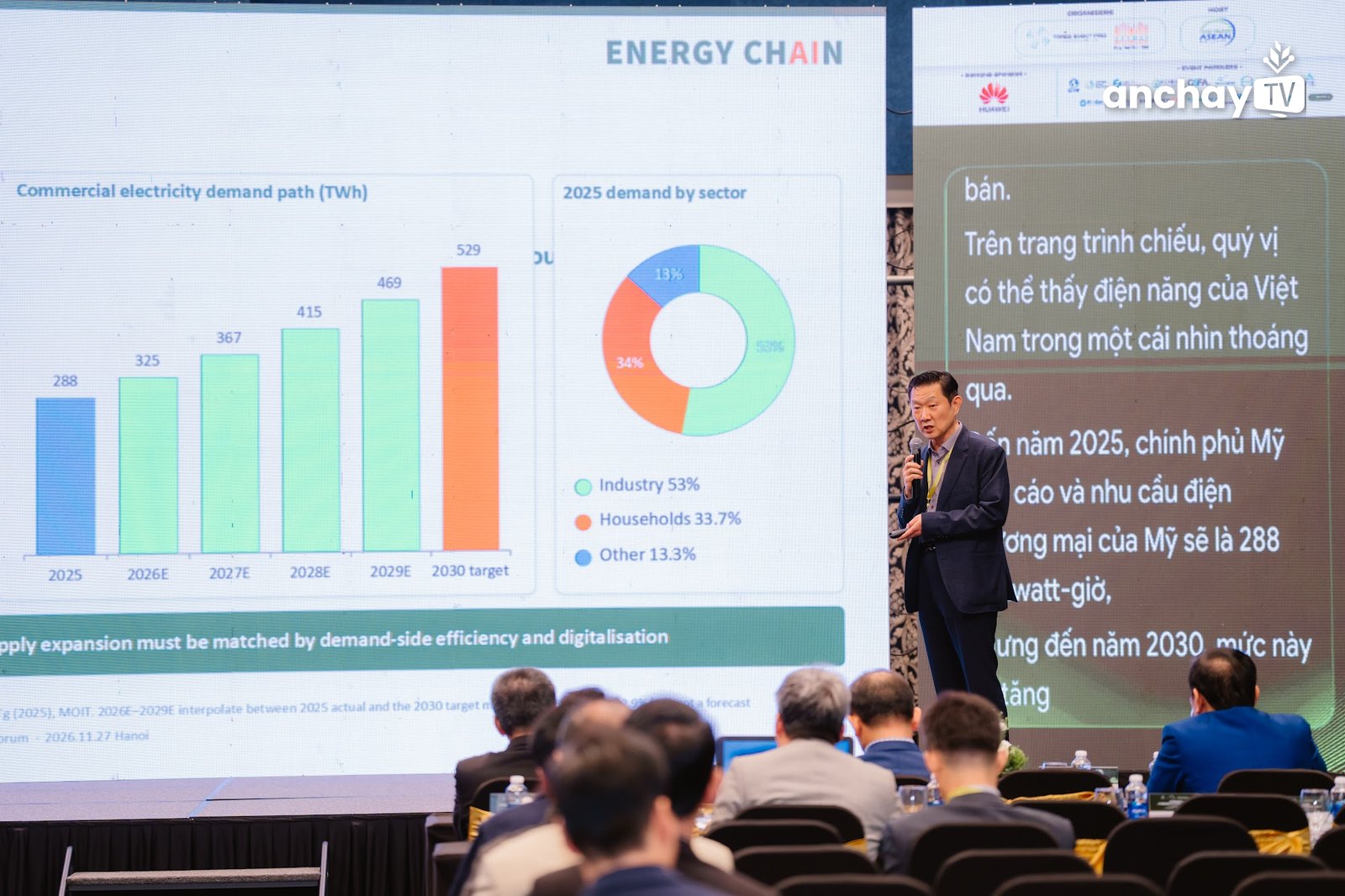
Mr. Sang-il Park, Chief Business Officer of Energy Chain at Deepbrain Co., Ltd. (Korea), spoke about AI and digital technologies in the energy transition. His slides showed Vietnam’s commercial electricity demand rising from 288 TWh in 2025 to a 529 TWh target in 2030, with industry taking 53% in 2025. He cited EVNNPC cutting its network loss rate from 4.54% to 3.54% in 2021–2025 with digital metering, real-time monitoring and thermal imaging, and Korean cases that saved 10–21.4% of electricity in short-term measurements. His message: adding supply is not enough; saving 10% of industrial power would equal 2.8 TWh, about USD 238 million a year by 2030; to get there, savings must be measured and verified with AI, IoT and data, “proof, not promises”, starting with a 90-day pilot.
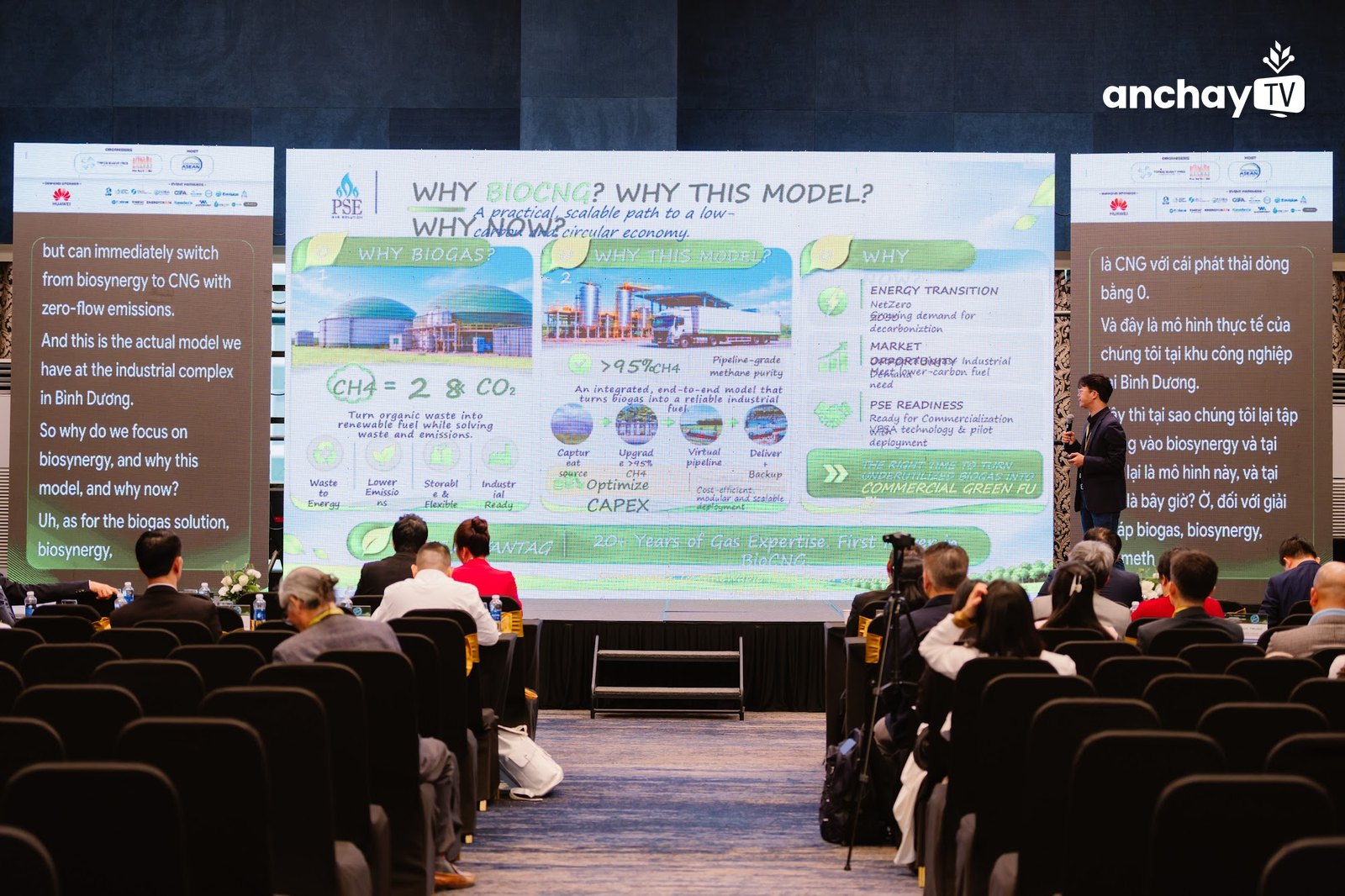
Mr. Vũ Văn Nam, Member of the Board of Directors of Phuc Sang Minh Gas (PSE), presented a BioCNG model: capture biogas, upgrade it to pipeline-grade gas with more than 95% methane, and deliver it to industrial customers through a “virtual pipeline”. Methane released into the air has a greenhouse effect 28 times that of CO2, he said, so capturing biogas both treats waste and cuts emissions. PSE already runs the model at an industrial park in Bình Dương and works on projects from north to south, including livestock farms and paper mills.
Session III: from innovation to investment
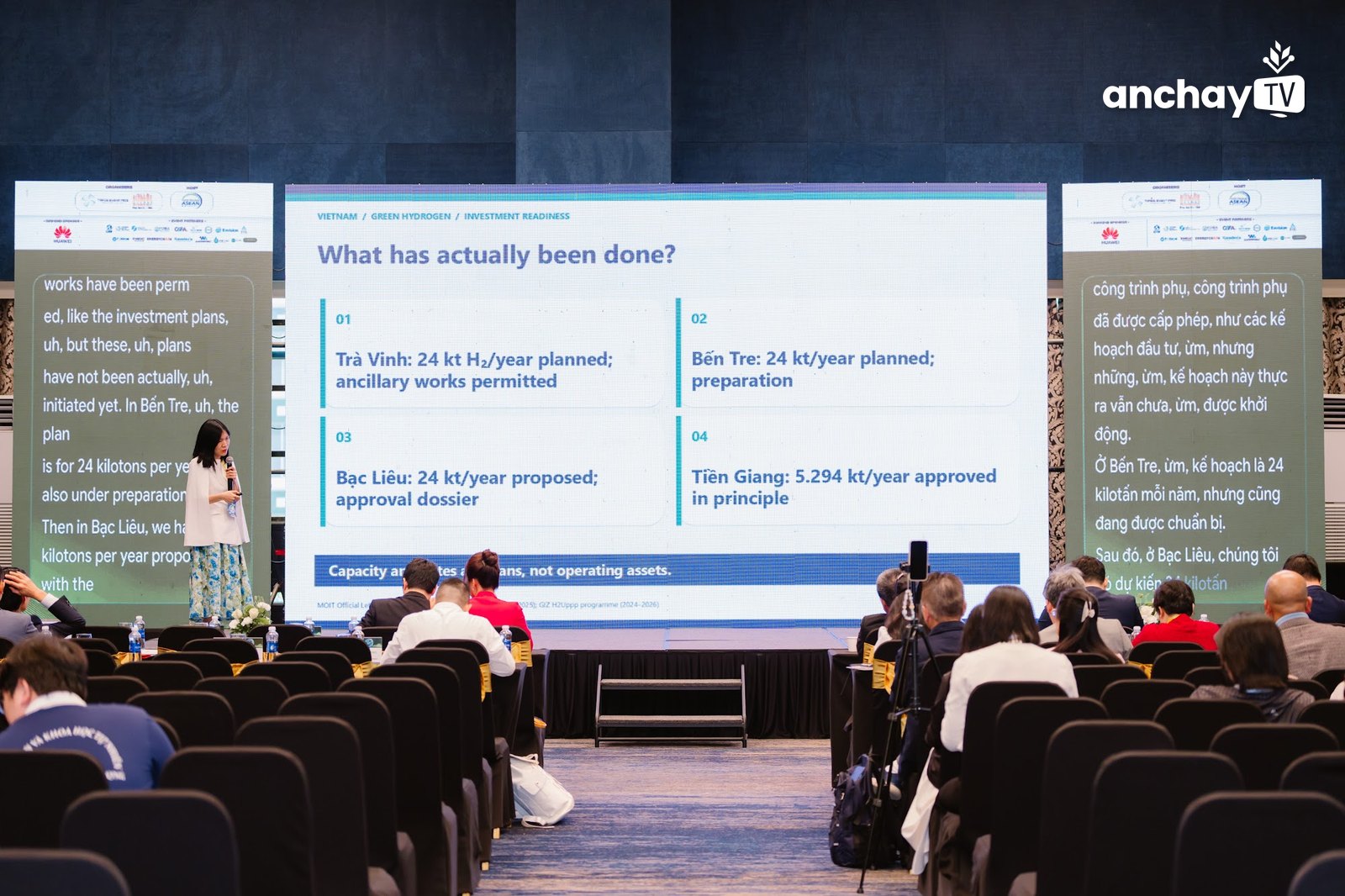
Ms. Van Nguyen, Global Contract Management Director at Envision Energy, asked what it takes for a green hydrogen project to be bankable. Drawing on 18 years of experience, she set out “The 6 RIGHTs”. She reviewed the projects in Vietnam shown on her slide: Trà Vinh, 24,000 tonnes of hydrogen a year planned, with ancillary works permitted; Bến Tre, 24,000 tonnes planned, in preparation; Bạc Liêu, 24,000 tonnes proposed, with an approval dossier; Tiền Giang, 5,294 tonnes, approved in principle. All of these capacities and dates are plans, she noted, not operating assets. On people, she said the right capabilities must be assembled: a local developer with hydrogen process expertise, a renewable power partner with equity capital, an anchor industrial customer with lenders; assemble capabilities, not logos.
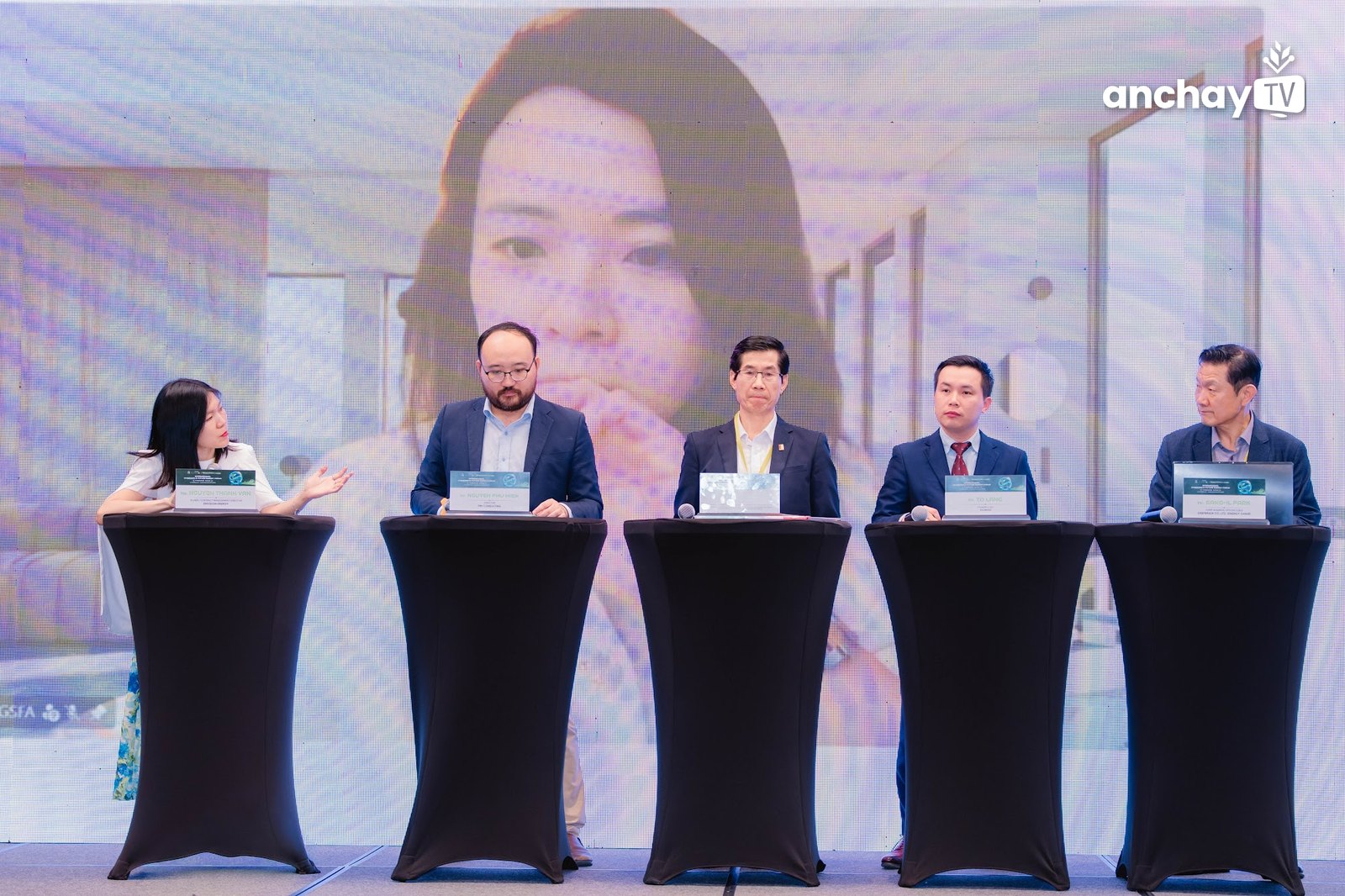
The second roundtable, “From Innovation to Investment: Bringing Global Energy Solutions to Vietnam”, was moderated by Ms. Van Nguyen. According to the programme, Dr. Meg J. C. Lin, CEO of the Global Sustainable Fuel Alliance (GSFA) and Deputy Director of the Taiwan Hydrogen Cluster & Hydrogen Energy Research Center at National Central University, joined online from London; in the hall were Mr. Sang-il Park, Mr. Nguyen Phu Hien, Director of PM Consulting, Assoc. Prof. Dr. Phạm Hoàng Lương and Mr. To Lang, Founder and CEO of VolNexus.
According to the programme, Dr. Cao Thùy Oanh summed up and closed the forum. At the end of the day, the afternoon speakers received certificates of appreciation from the organisers.
Delegates from Vietnam and abroad
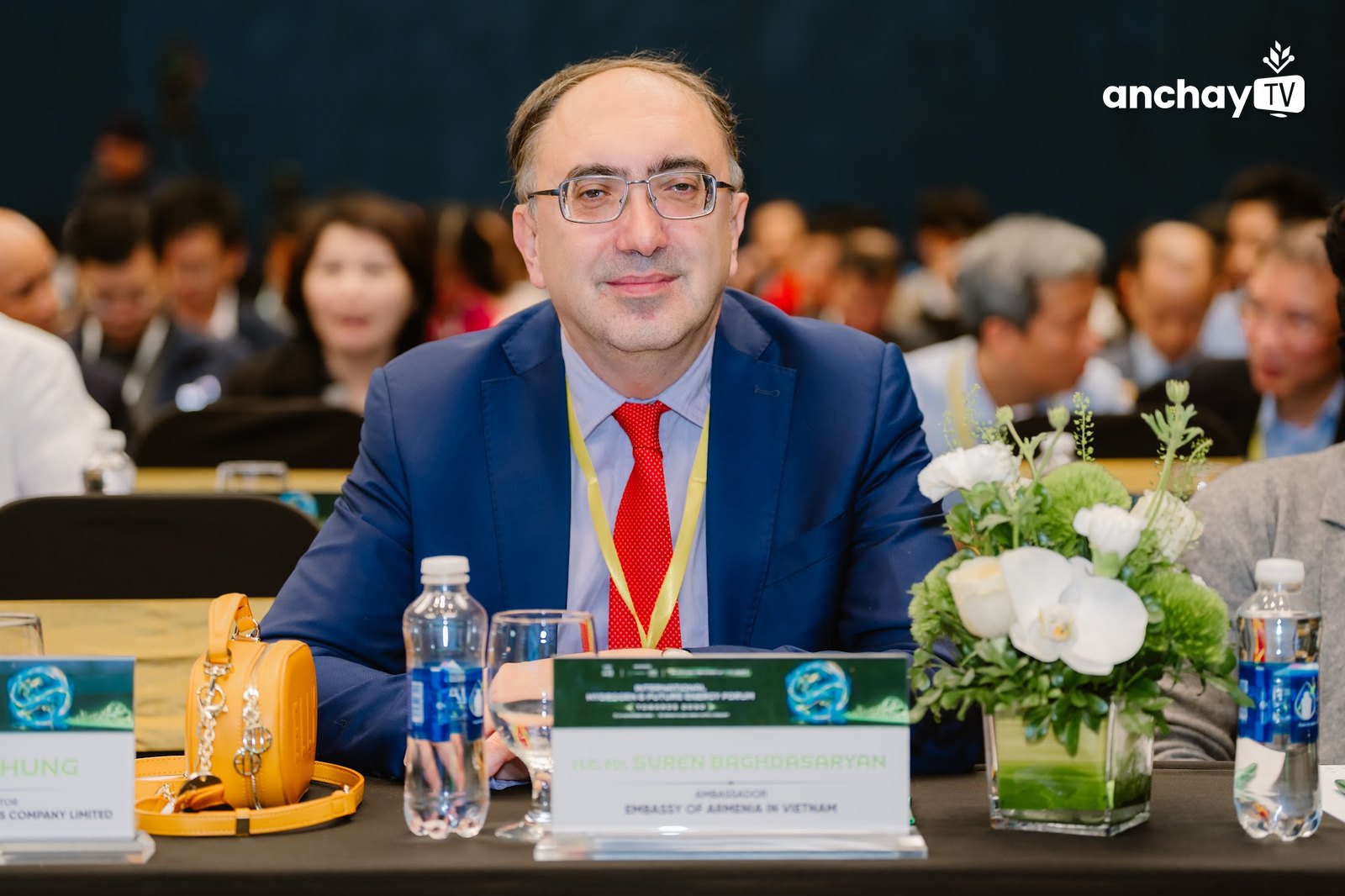
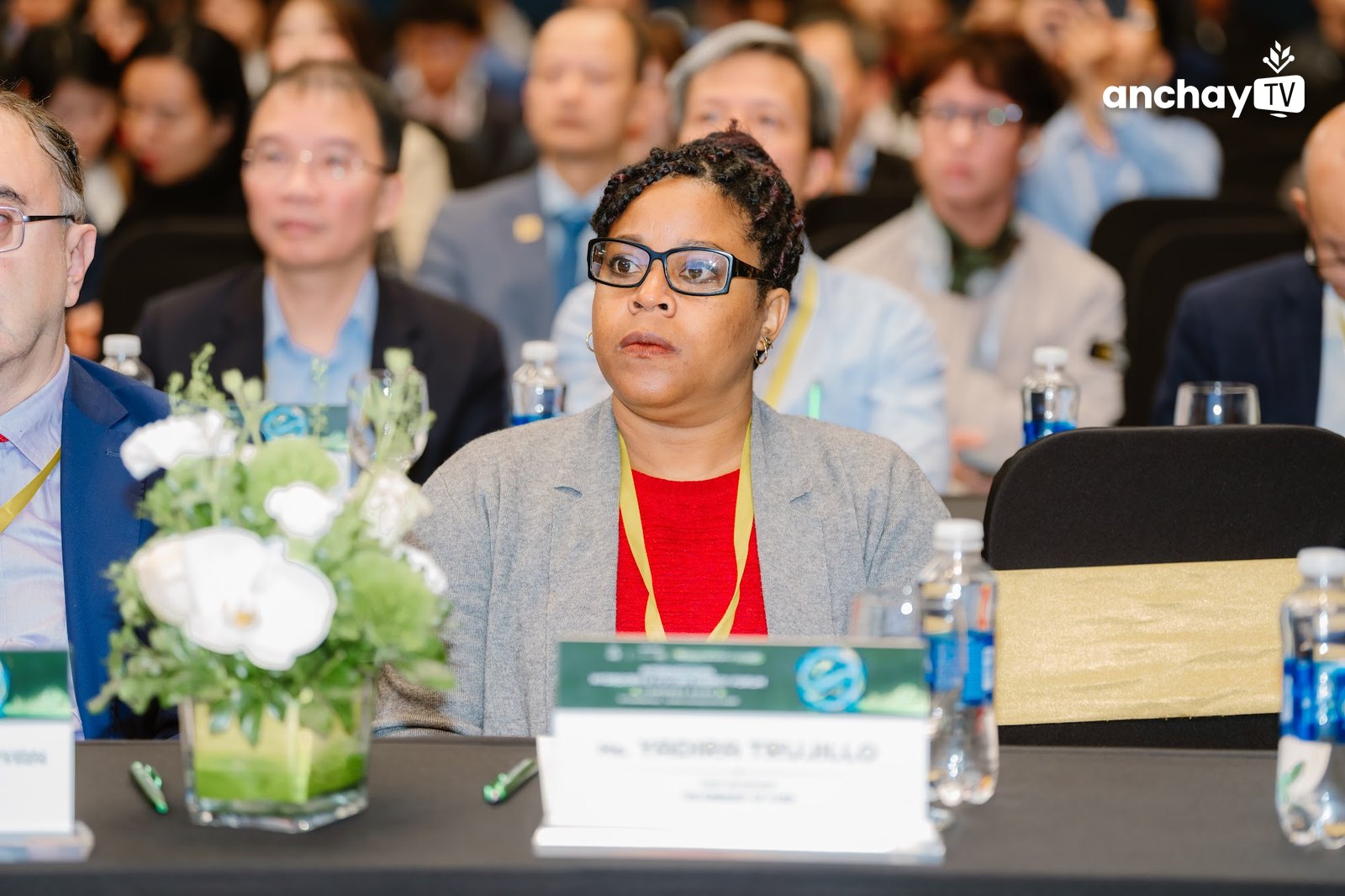
Name plates on the delegates’ tables showed H.E. Mr. Suren Baghdasaryan, Ambassador of Armenia to Vietnam; Ms. Yadira Trujillo, First Secretary of the Embassy of Cuba; Mr. Kamo Kohei, General Director of Mitsubishi Heavy Industries Vietnam; Mr. Ramesh Anand, CEO of Canopus Group and Board Member of INCHAM Vietnam; and Dr. Phan Ngọc Trung, a senior researcher in natural hydrogen and former Director General of the Vietnam Petroleum Institute, together with representatives of the Vietnam Clean Energy Association (VCEA), the Vietnam National Innovation Center, Petro Vietnam University, the PV GAS Youth Union and many energy companies from Vietnam and abroad. Among the guests introduced by the MC was Mr. Bùi Thanh Nam, Chairman of the Board of PV Shipyard (PetroVietnam Marine Shipyard JSC). Representatives of Sunwah Group also attended.
Networking
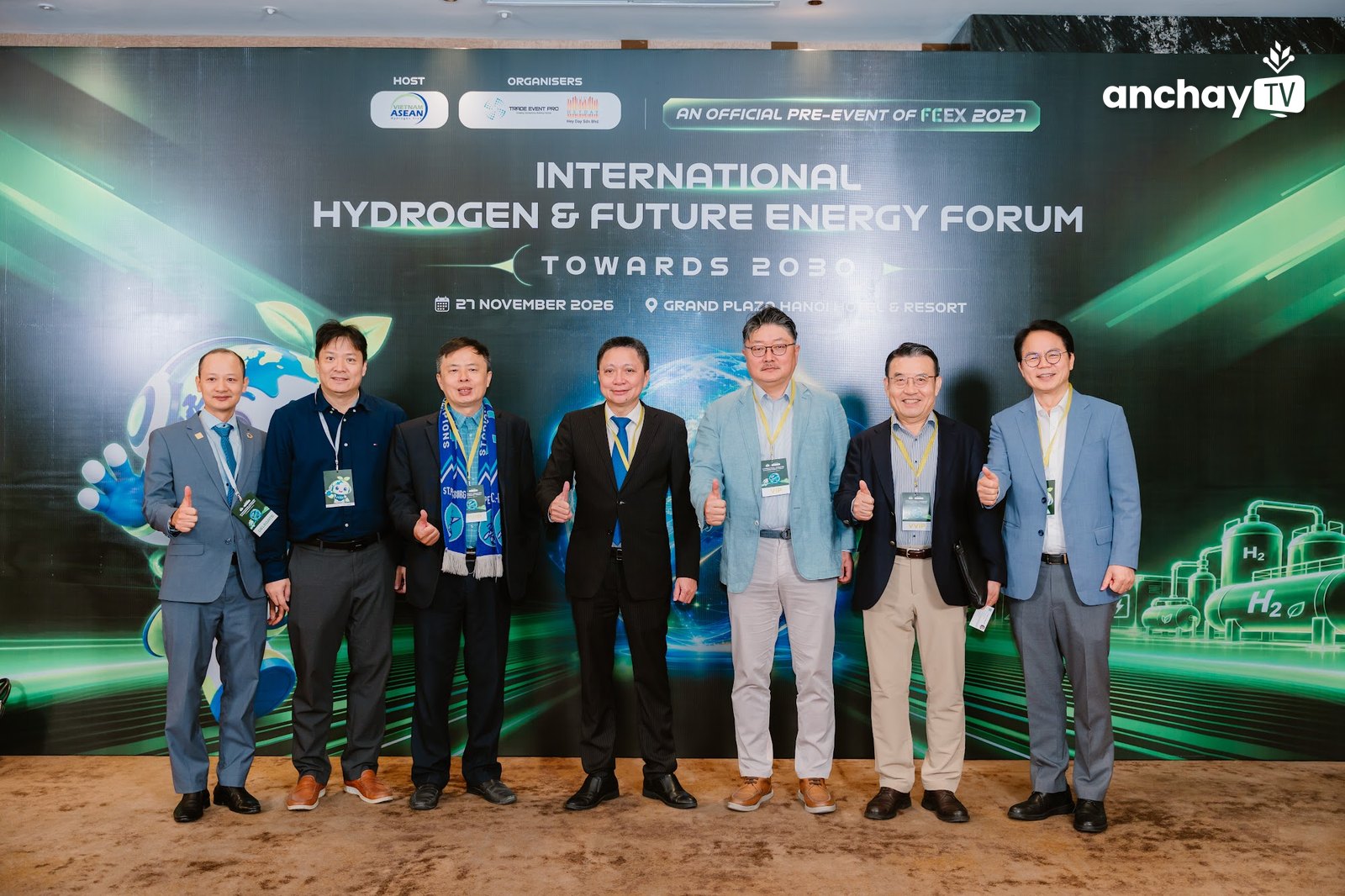
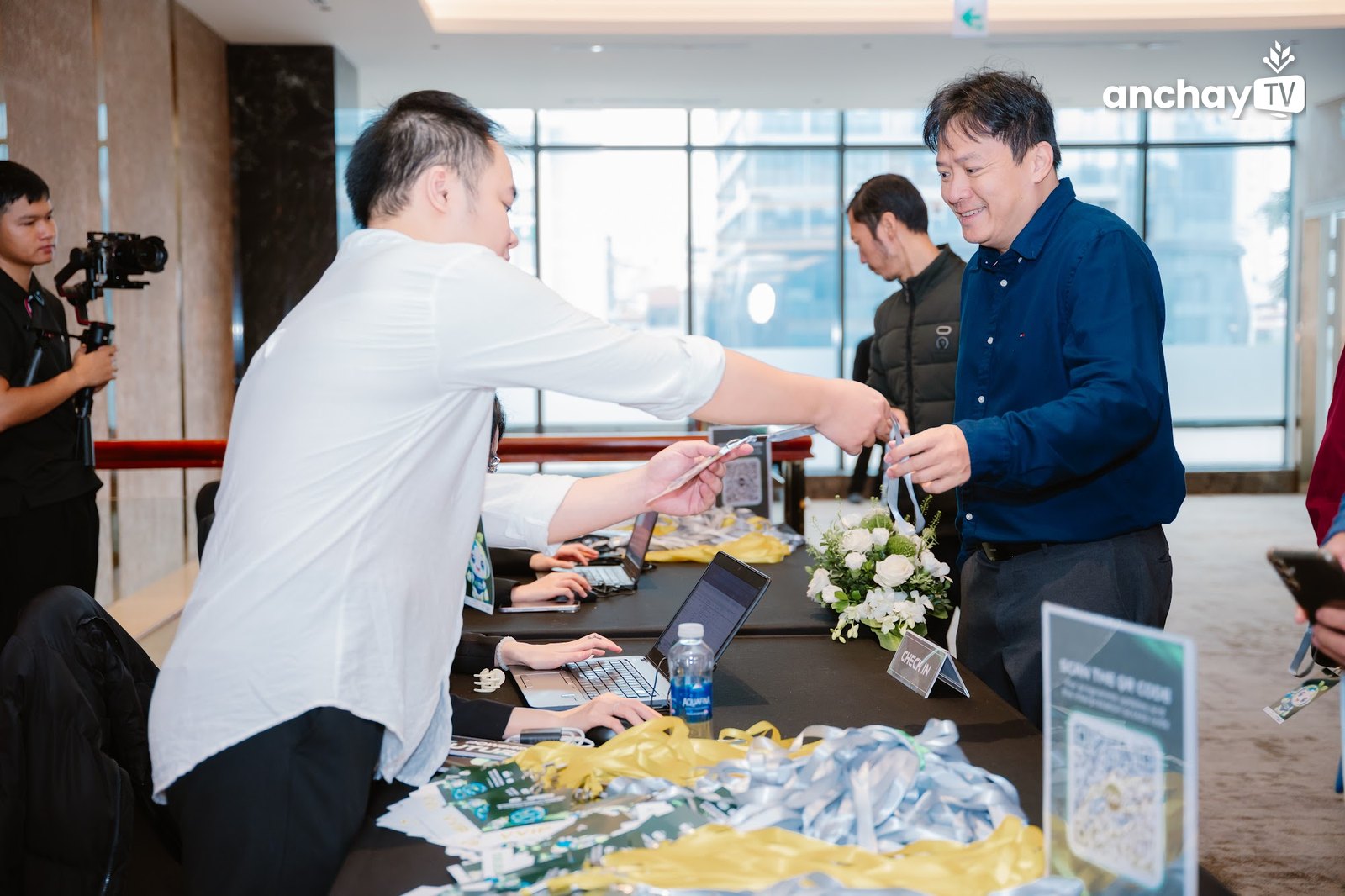
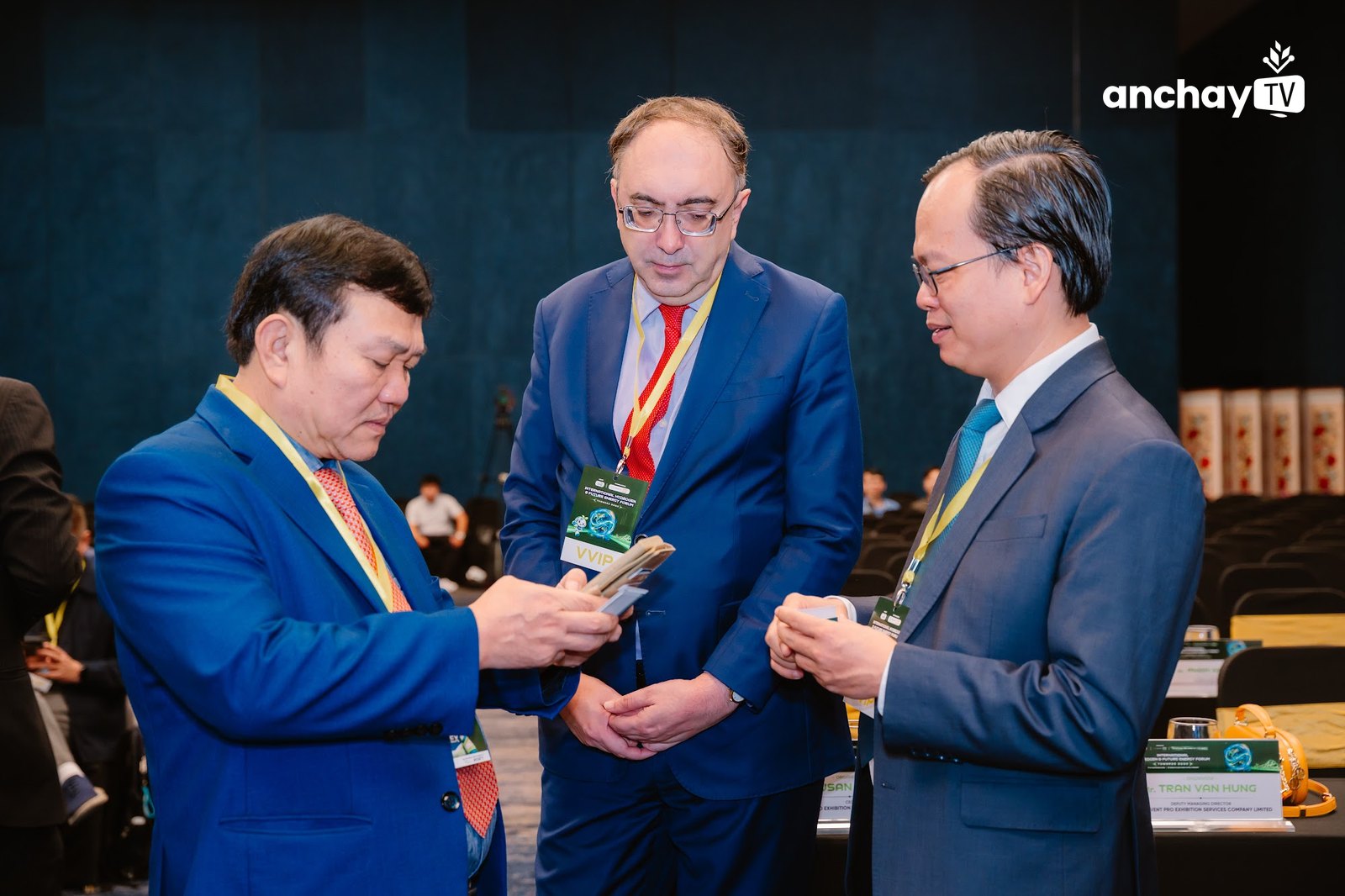
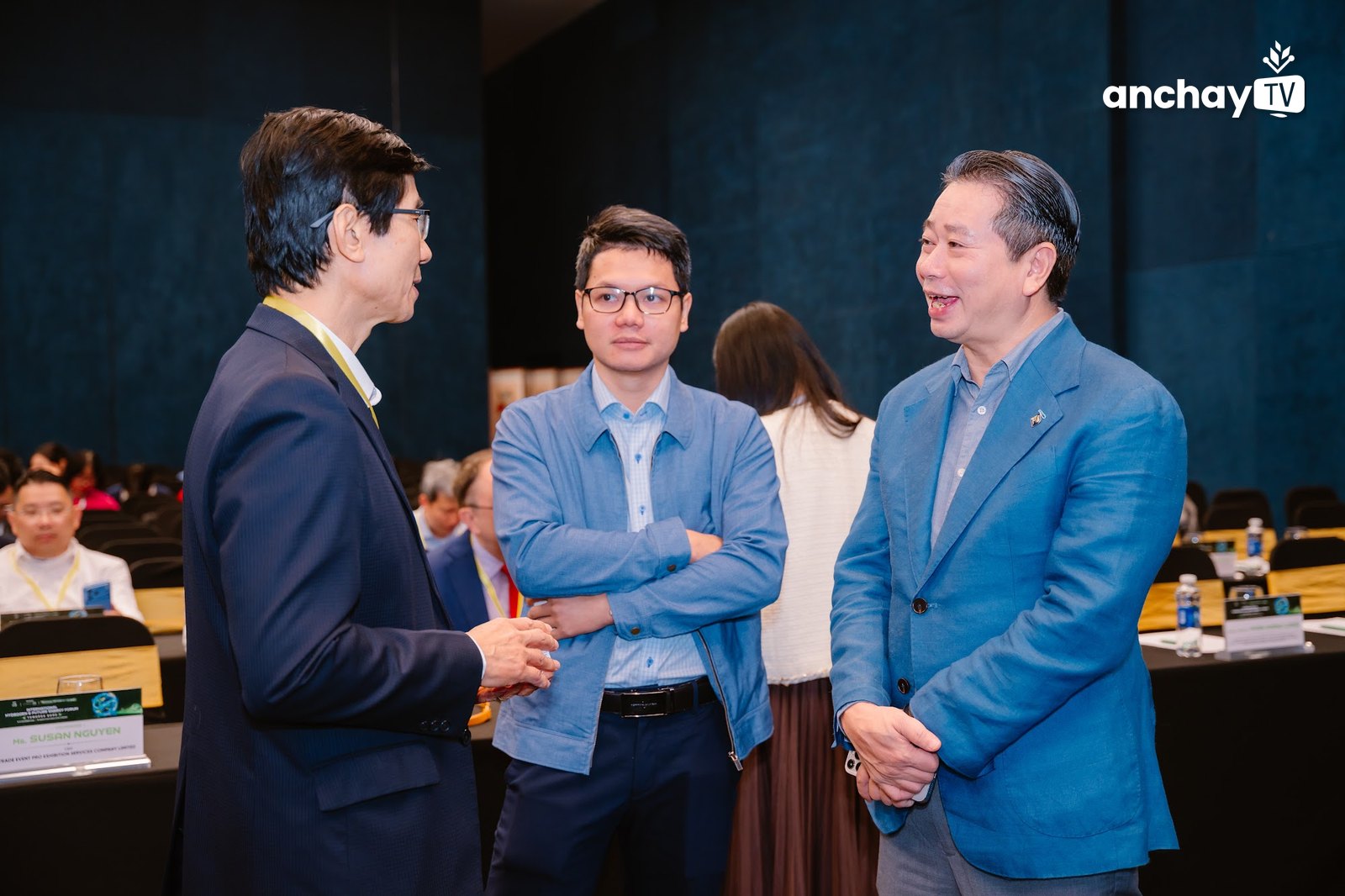
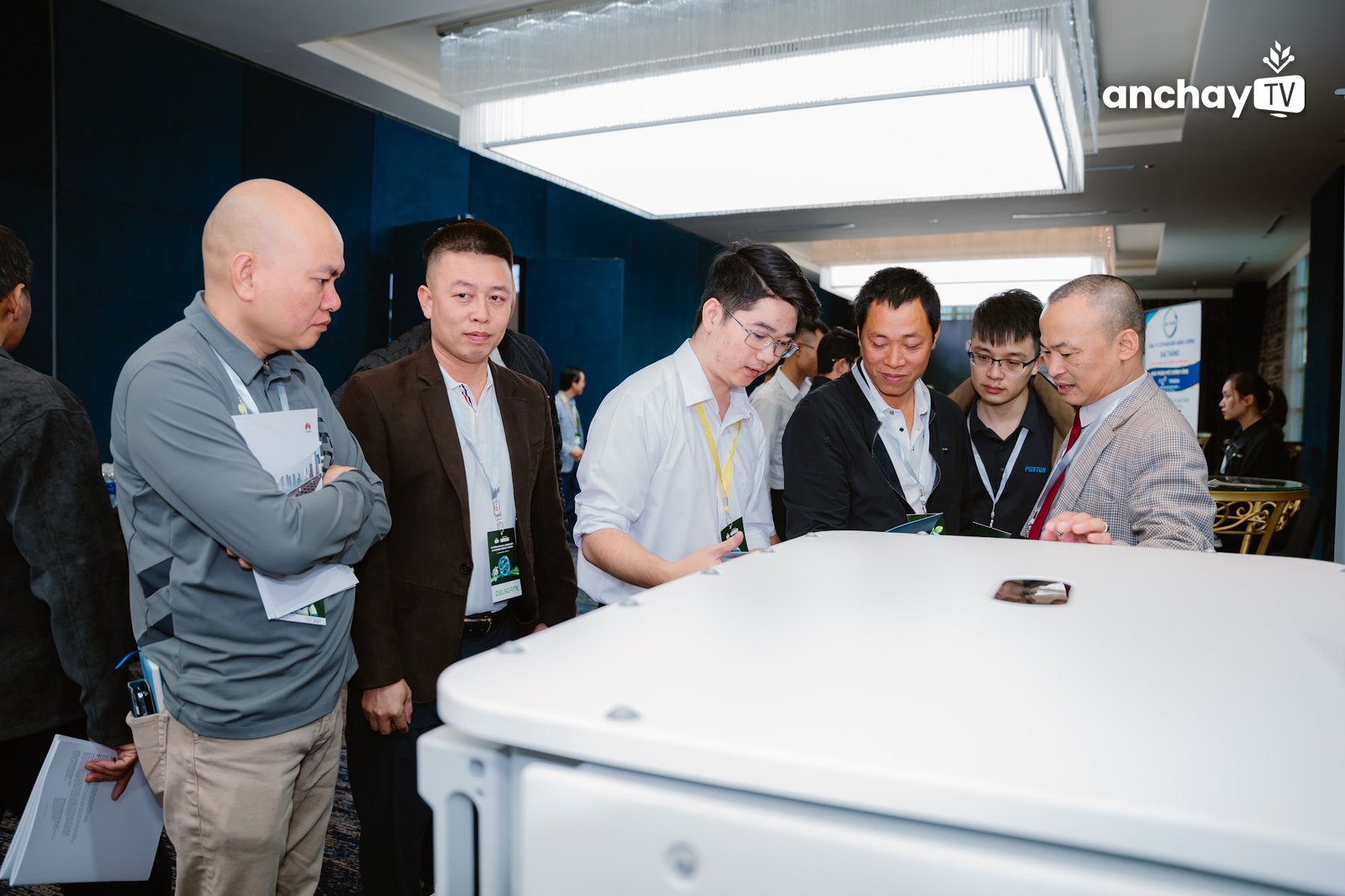
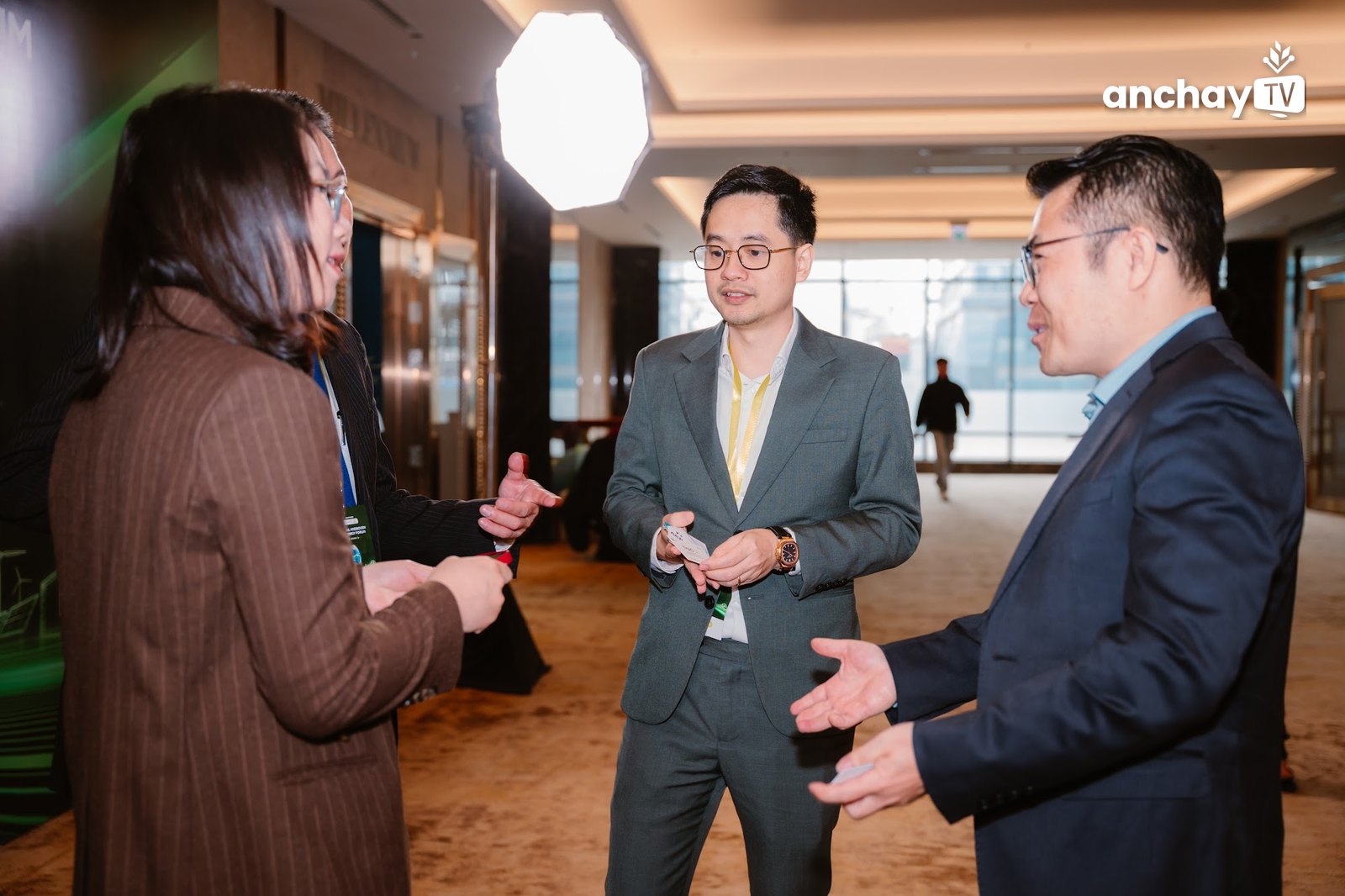
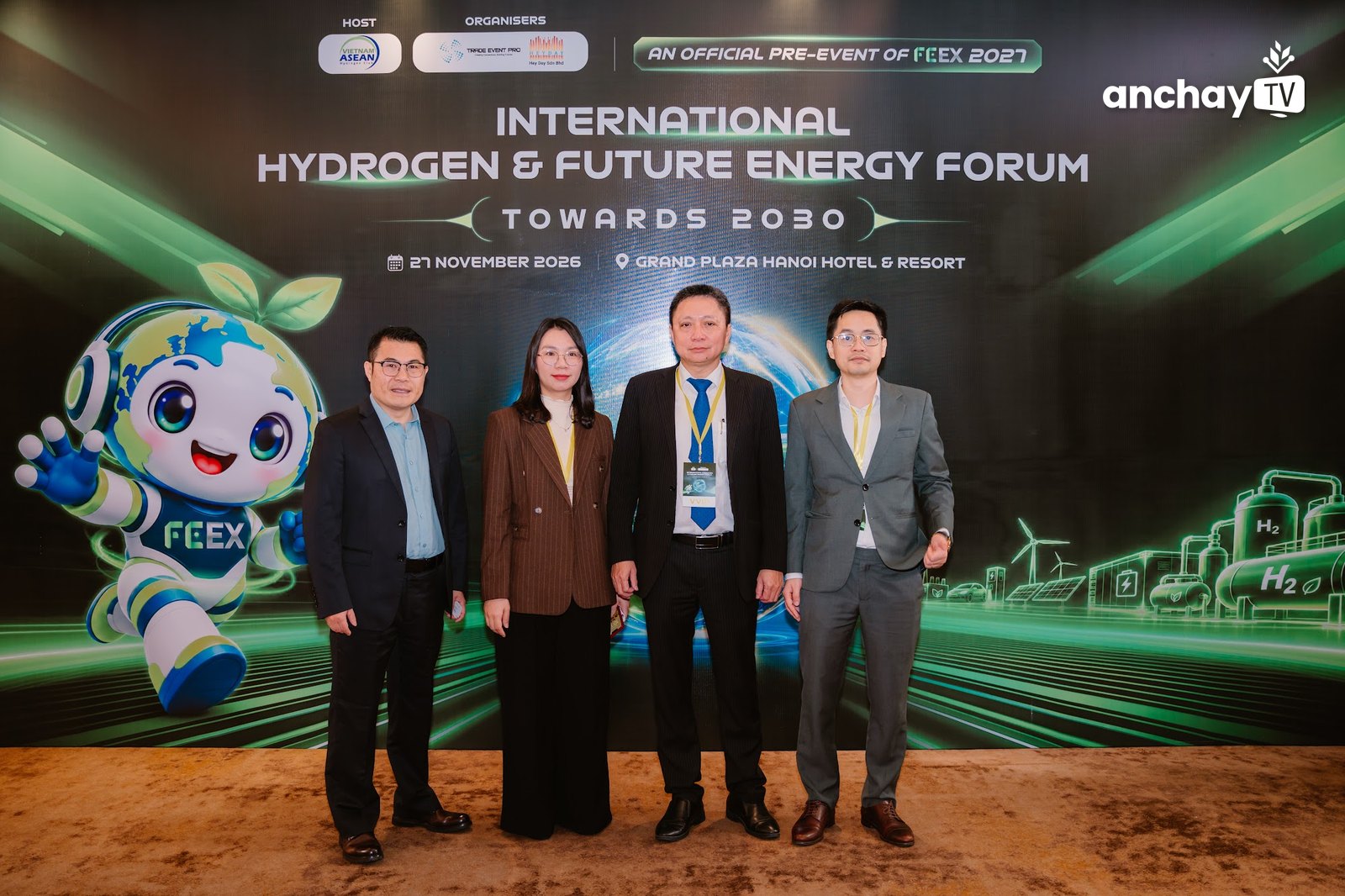
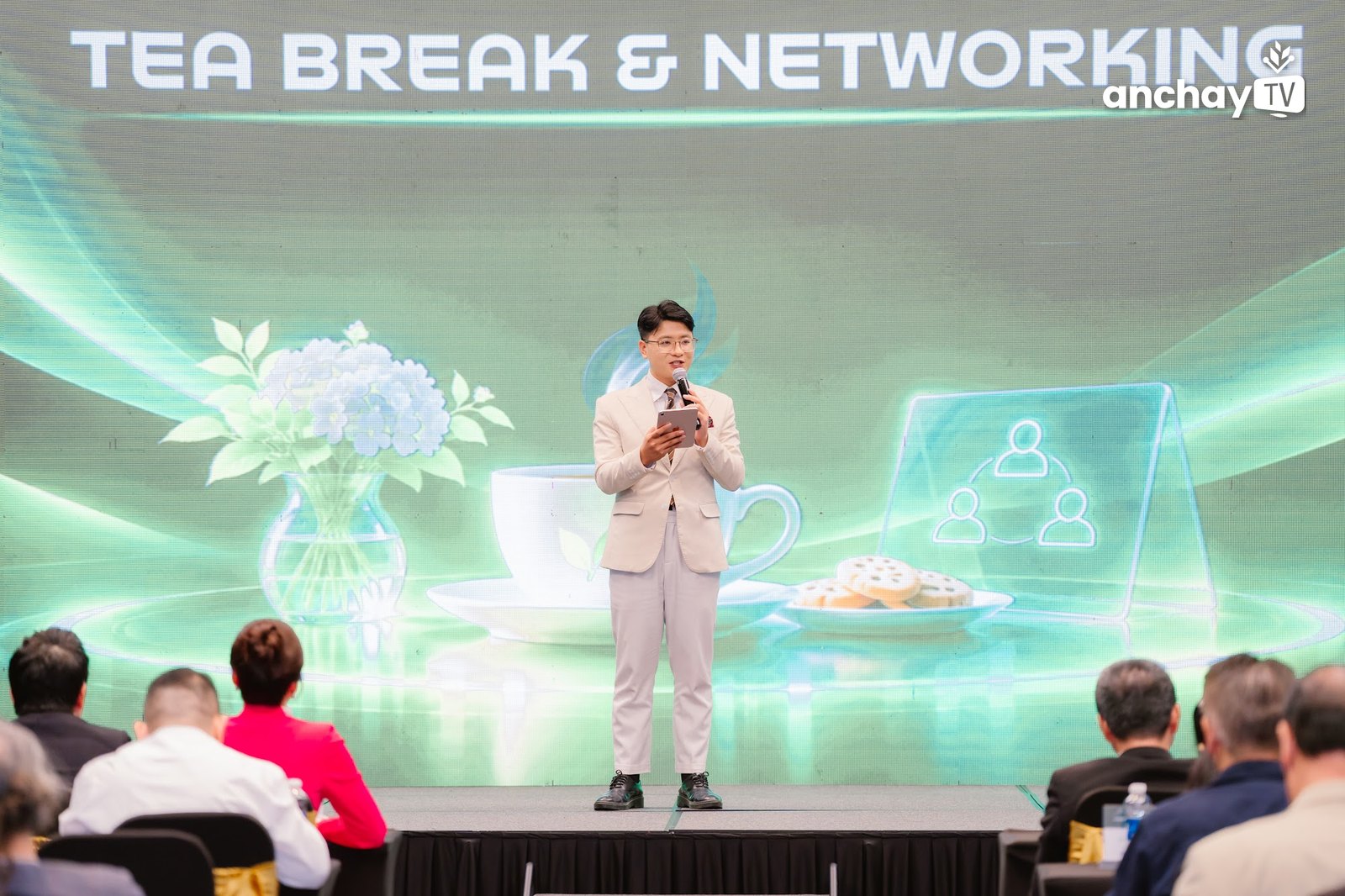
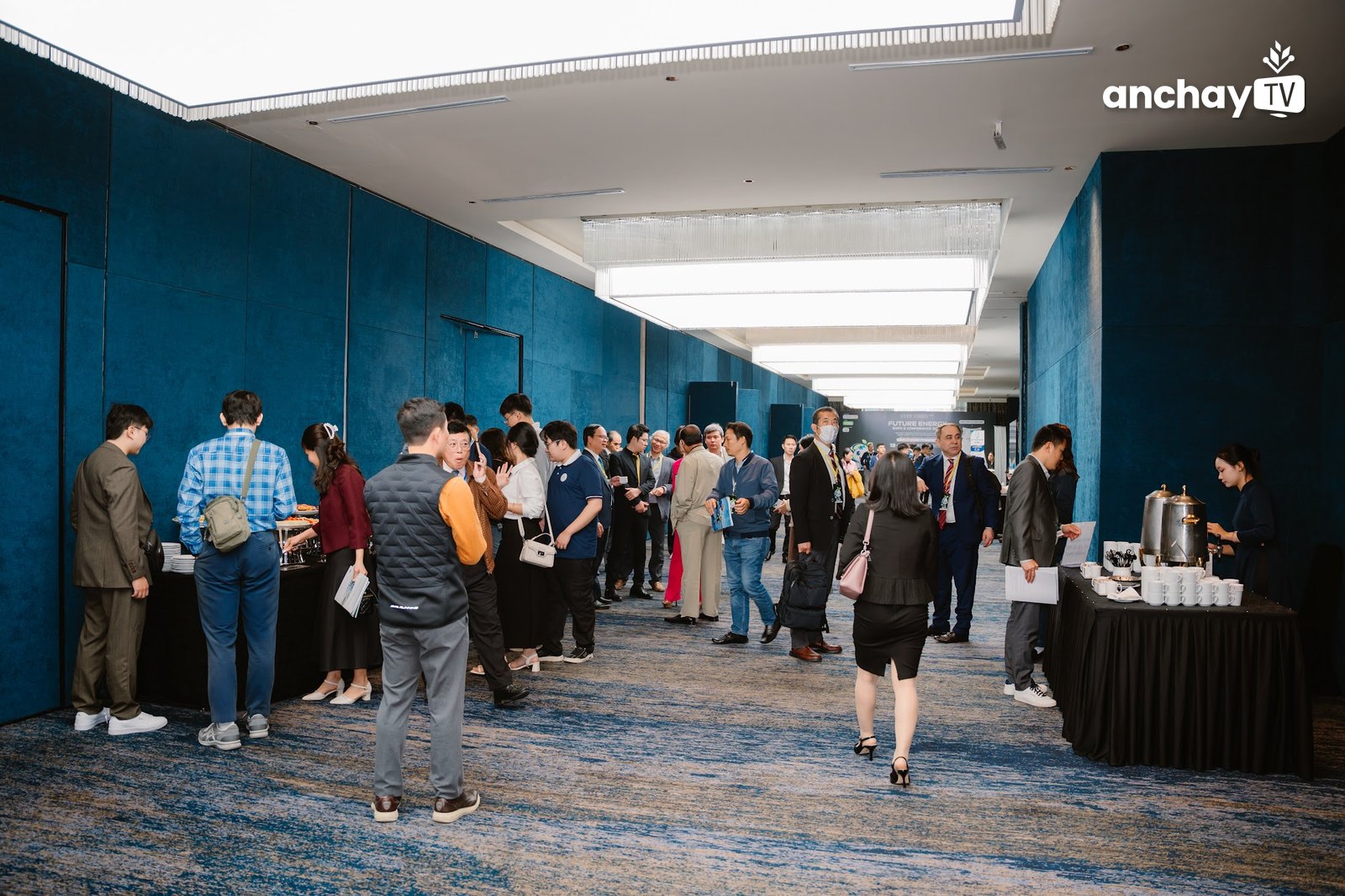
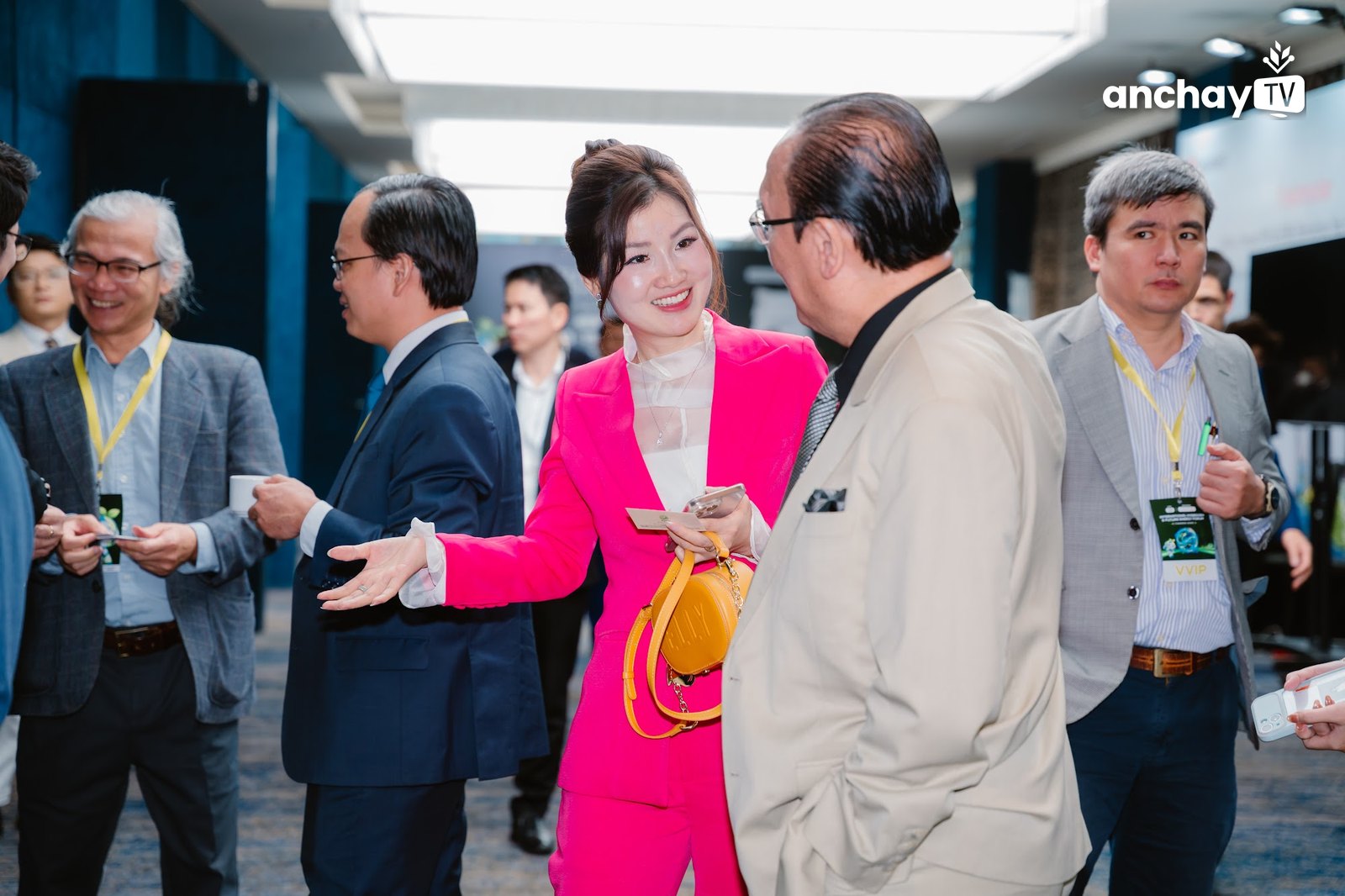
The programme set aside two breaks for networking: a morning networking break (10:20–10:40) and an afternoon refreshment and networking break (14:20–14:40). Even before the opening, delegates were meeting at the welcome desk, in the solar and energy storage showcase, and at the photo backdrop of the forum, an official pre-event of FEEX 2027.
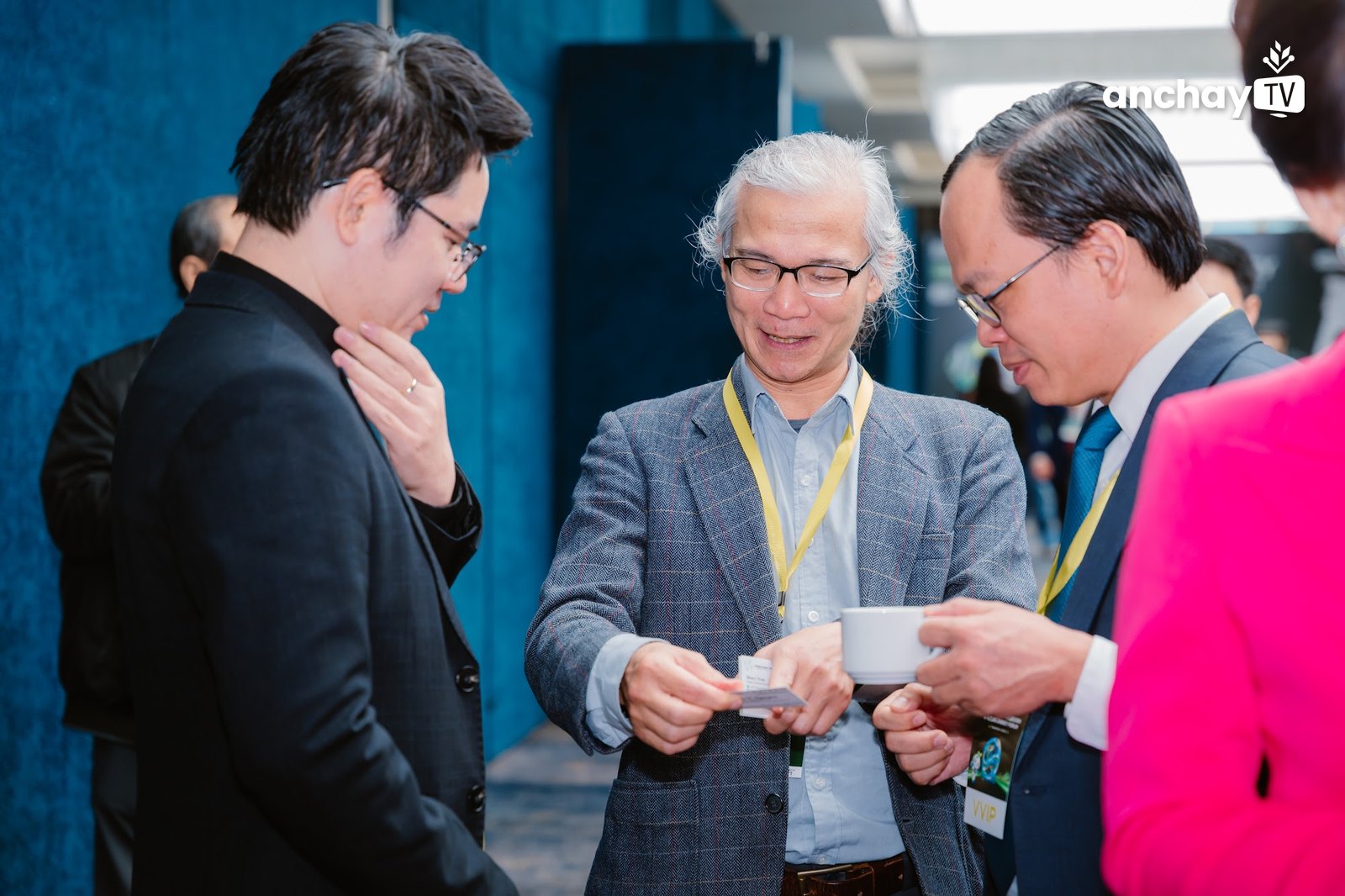
Moments from the day
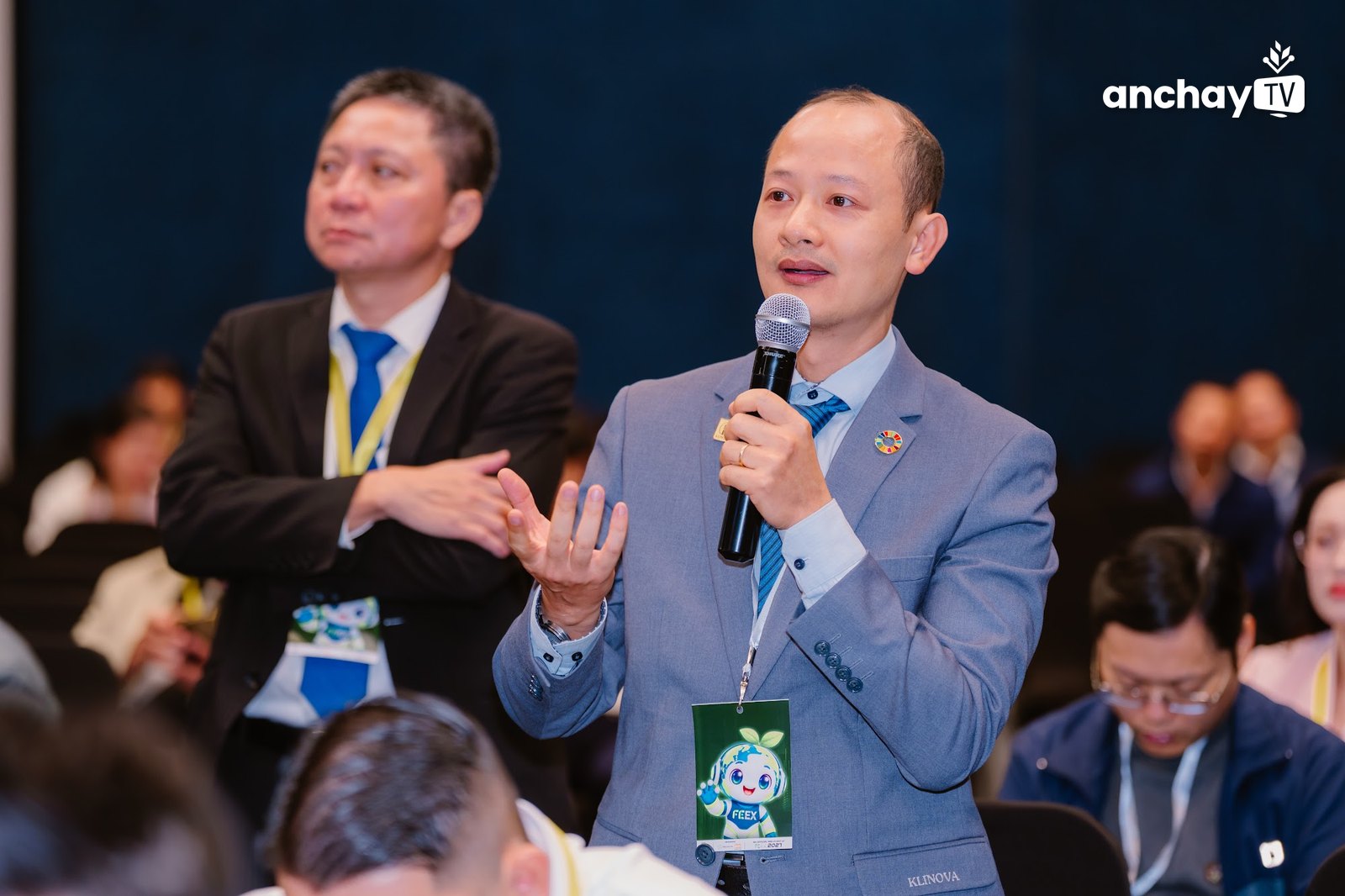
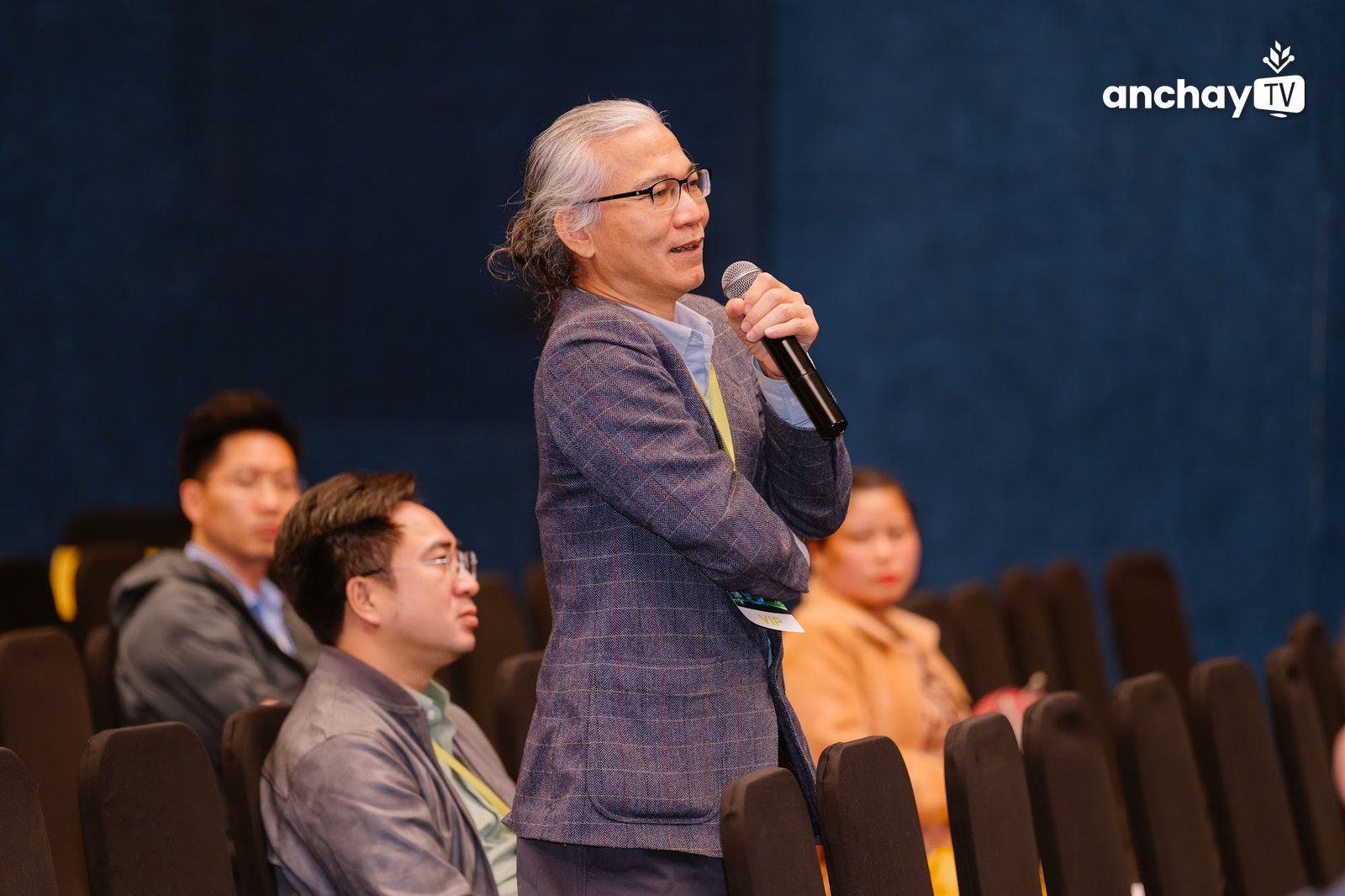
Inside the hall, the day was also made of applause along the delegates’ tables, questions from the floor for the speakers, and the MC who kept the programme moving.
See you at FEEX 2027
The forum was the official pre-event of the Future Energy Expo & Conference, FEEX 2027, to be held on 13–15 May 2027 at the Vietnam Exposition Center (VEC) in Đông Anh, Hanoi. From a one-day forum in a hotel ballroom, next year’s event grows into a three-day international trade exhibition and conference built on “1 energy platform, 5 specialised shows, 1 connected ecosystem”: renewable energy (REEX), energy storage and batteries (STORAGEEX), smart grid and power infrastructure (GRIDEX), EV charging and infrastructure (EVEX), and AI and digital energy (AIEX). According to the organisers’ brochure, it will offer B2B business matching, live demonstrations of solutions such as digital grid dispatch, AI energy management and factory automation, and strategic themes including green data centres, energy security, ESG and Net Zero.
This article is based on the forum’s official programme, the slides and subtitles shown in the hall, the organisers’ information on feexpo.com.vn and press reports published on 27 November 2026. Names in the photo captions are based on the name plates, introduction screens and slides in the photos, the forum programme, or confirmation by Anchay TV, which attended and photographed the forum.